
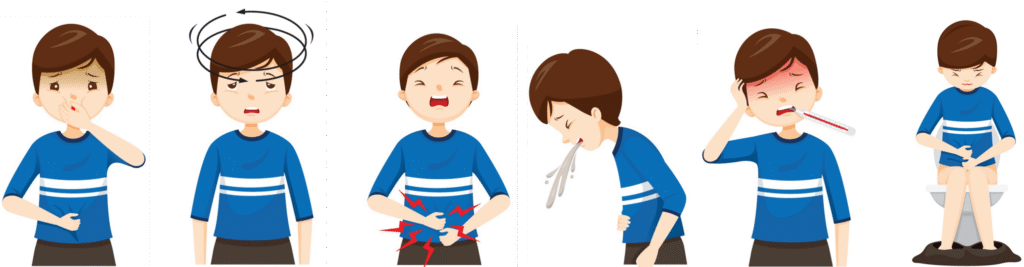
Food poisoning is a situation that people may encounter occasionally in daily life. When we consume contaminated or spoiled food, symptoms of food poisoning—such as nausea, vomiting, diarrhea, abdominal pain, fever, cold sweats, cramps, or shock—can easily occur. In such cases, immediate measures are necessary to alleviate symptoms and protect our health.
- Seek Medical Assistance
Experiencing symptoms shortly after eating often indicates severe poisoning. When symptoms like abdominal pain, cold sweats, cramps, or even shock appear, it’s crucial to seek medical help. Go to the hospital immediately or call an ambulance, informing them of the food poisoning. If vomiting or diarrhea occurs, collect some in a plastic bag to take to the hospital, as this can assist in diagnosis.
- Replenish fluids and electrolytes
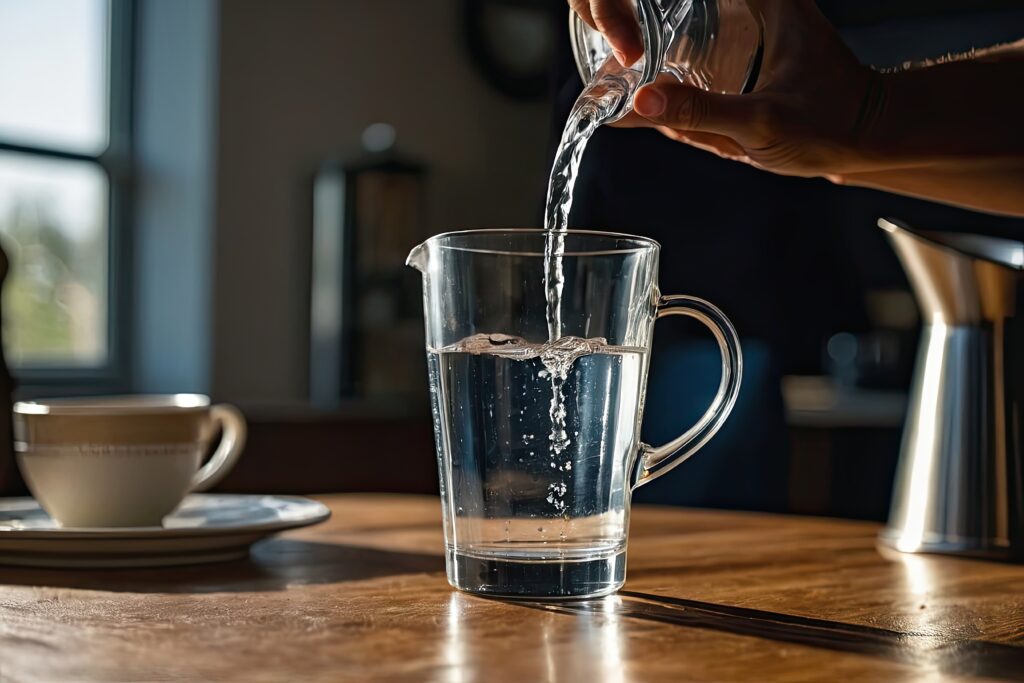
Diarrhea and vomiting due to food poisoning lead to significant loss of fluids and electrolytes. To prevent dehydration, replenish fluids by drinking warm water or beverages with electrolytes, such as diluted glucose or saltwater, but avoid consuming too much at once to prevent further nausea. If vomiting occurs, rehydrate afterward rather than forcing fluids during the episode. Note that vomiting and diarrhea help expel toxins from the body, so avoid anti-nausea or anti-diarrheal medications that could worsen symptoms. If vomiting or diarrhea is intense—causing pale skin, cold sweats, confusion, or shock—seek immediate hospital treatment, as this may be life-threatening.

- Rest and adjust your diet
After food poisoning, your body needs rest to recover. Find a quiet, comfortable place to minimize external disruptions. To prevent choking, position the patient on their side so they can easily vomit if needed. For severe abdominal pain, lying on the back with knees bent and using a blanket for warmth can help relax abdominal muscles. Adjusting diet is also essential; avoid fatty or hard-to-digest foods. Choose light, easily digestible foods like rice porridge or thin noodles to protect the gastrointestinal tract.
- Maintain Personal Hygiene
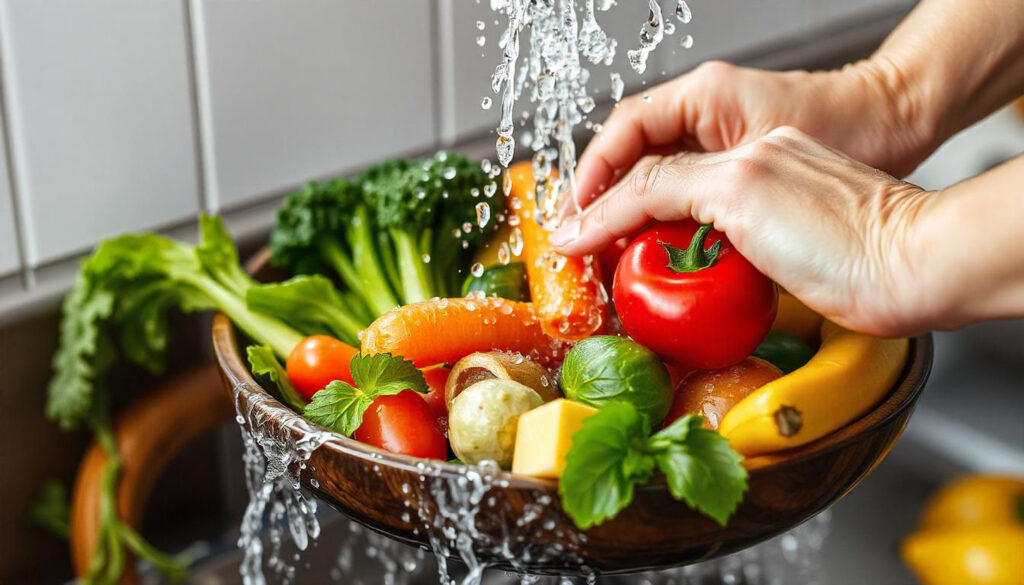
Food poisoning is often related to poor hygiene habits. To avoid reinfection or spreading germs, follow strict personal hygiene guidelines. Buy food from reputable stores or markets, wash produce thoroughly and always wash hands before cooking. Separate food items during storage to prevent cross-contamination.
- Post-Recovery Diet
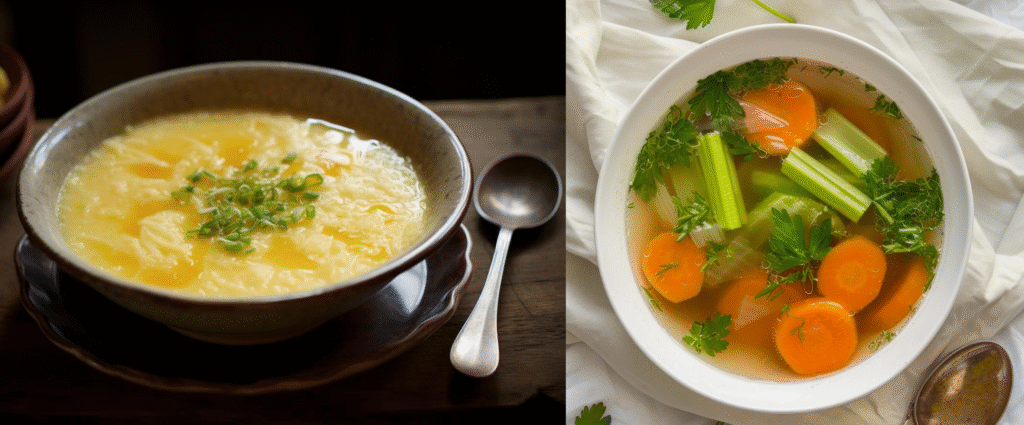
After recovering from food poisoning, focus on easily digestible, light, and nutritious foods like rice soup, vegetable broth, lotus root starch, egg drop soup, or noodle soup. Additionally, eat foods that promote digestion and regular bowel movements, such as vegetables like seaweed, pork blood, and carrots, or fruits like hawthorn, pineapple, and papaya. Fiber-rich foods, including vegetables, fruits, brown rice, whole grains, and legumes, can also help flush out residual toxins.
In summary, prompt emergency self-care is crucial after food poisoning. Aside from seeking medical assistance, rehydrating with fluids and electrolytes, resting with dietary adjustments, and practicing good hygiene are effective ways to alleviate symptoms and prevent further infection. After recovery, maintaining a healthy diet can help avoid relapse. If symptoms are severe, seek immediate hospital treatment and avoid self-medicating to prevent complications.
此文章还有以下语言版本:
 简体中文 (Chinese (Simplified))
  Melayu (Malay)
