
1. The Secrets and Origins of Chinese Acupuncture
Acupuncture originated in China and has a history spanning thousands of years. It is believed that the earliest acupuncture practices can be traced back to around 3000 BCE. By inserting fine needles into specific points on the body, acupuncture regulates the flow of energy (Qi) along the meridians, helping to restore balance in the body and achieve both therapeutic and health-promoting effects.
2. The Oldest Acupuncture Book in the World
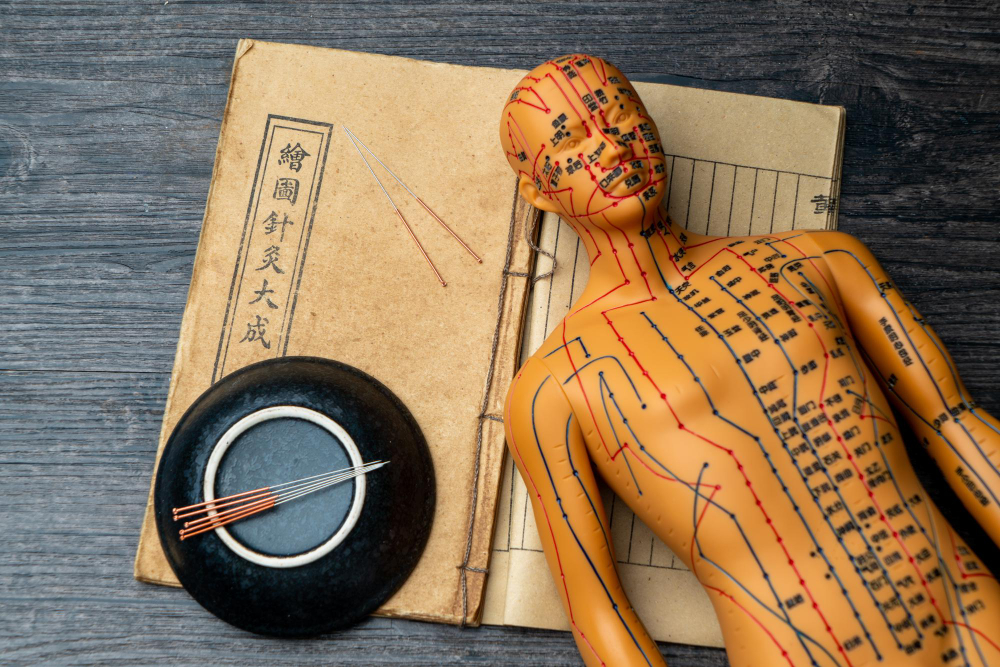
One of the oldest books on acupuncture is the Huangdi Neijing (The Yellow Emperor’s Inner Canon), which dates to approximately the 2nd century BCE. This book not only documents the theories behind acupuncture but also covers topics like medicine, philosophy, and health preservation. It is regarded as the “bible” of traditional Chinese medicine and continues to influence modern acupuncture practices.
3. The Earliest “Needles” Were Made of Stone
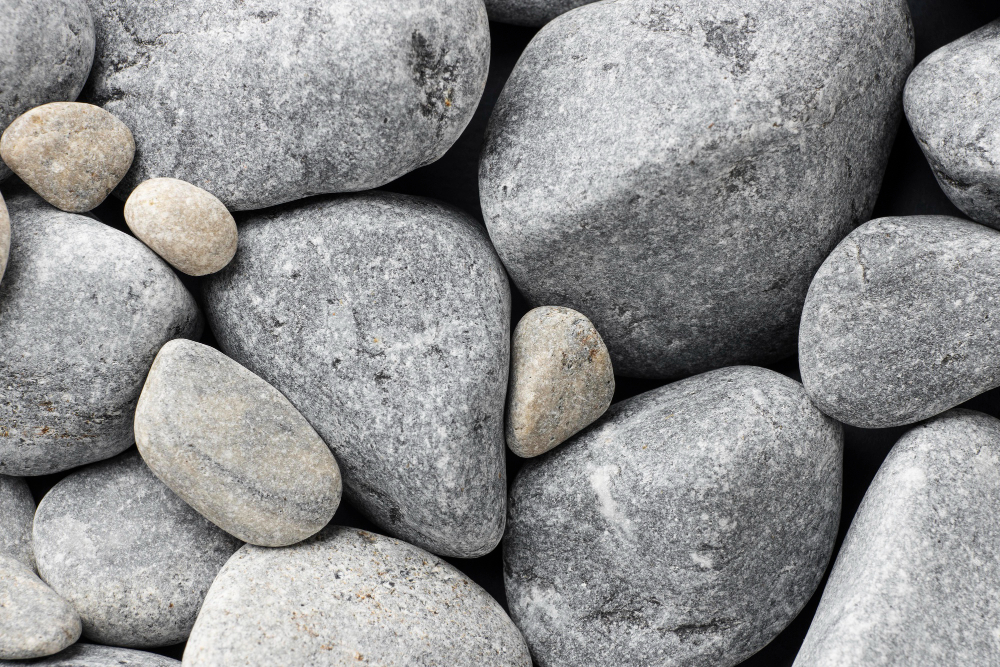
The first acupuncture tools were not the delicate metal needles we use today but were instead made from stone or bone! Ancient people used the sharp edges of these materials to press or puncture specific points on the body, marking the beginning of acupuncture as a form of therapy.
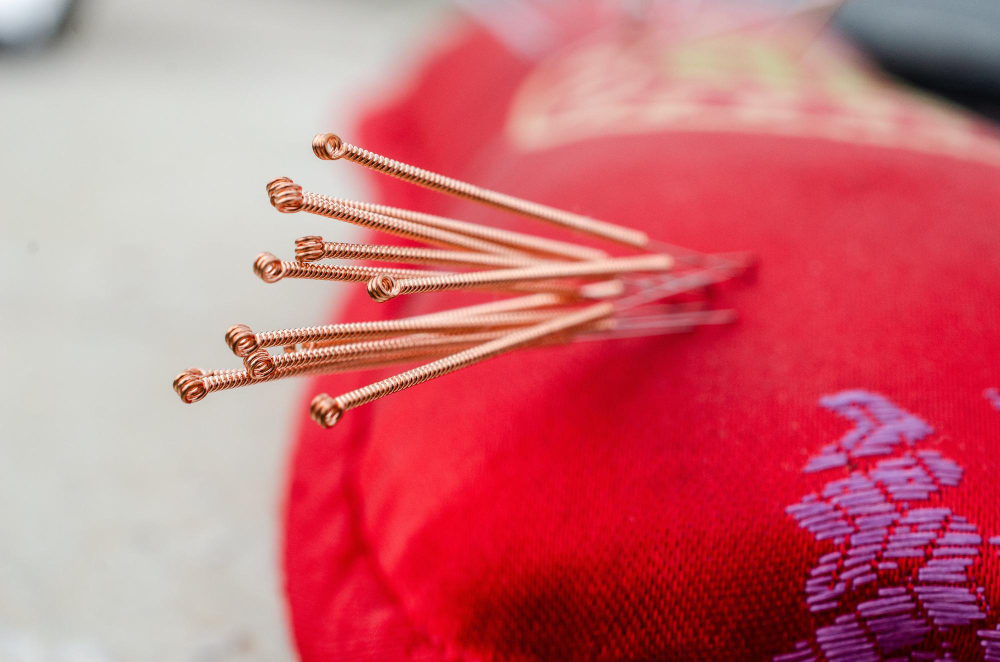
4. Acupuncture as a “Metallic Art”
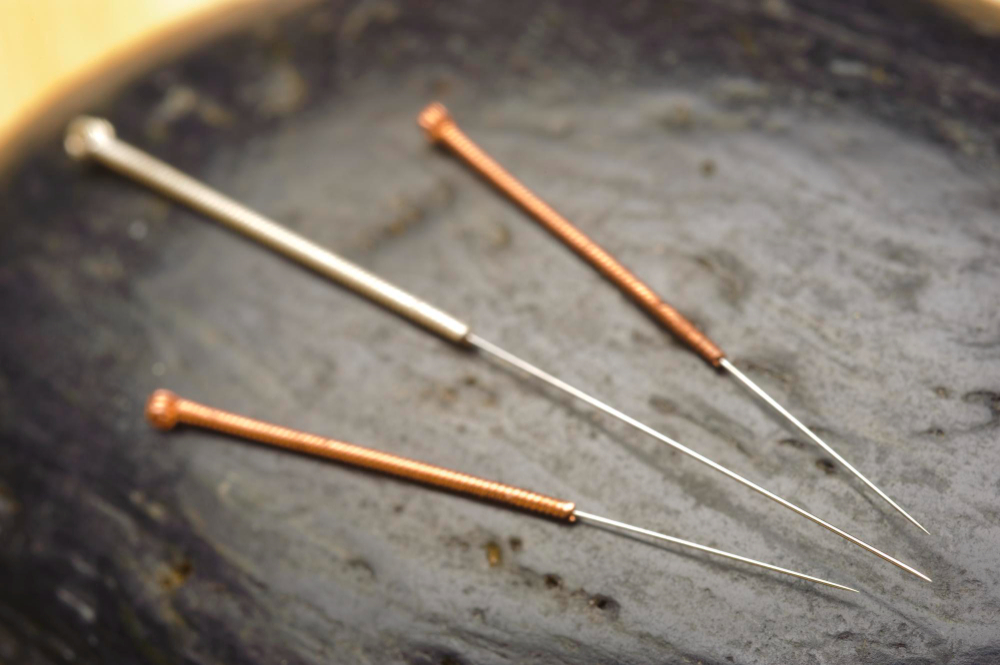
In ancient times, acupuncture tools were crafted from materials such as stone, bone, bamboo, and copper. Today, acupuncture needles are manufactured with incredible precision, and some people even regard them as a form of “metallic art” due to their intricate craftsmanship and high quality.
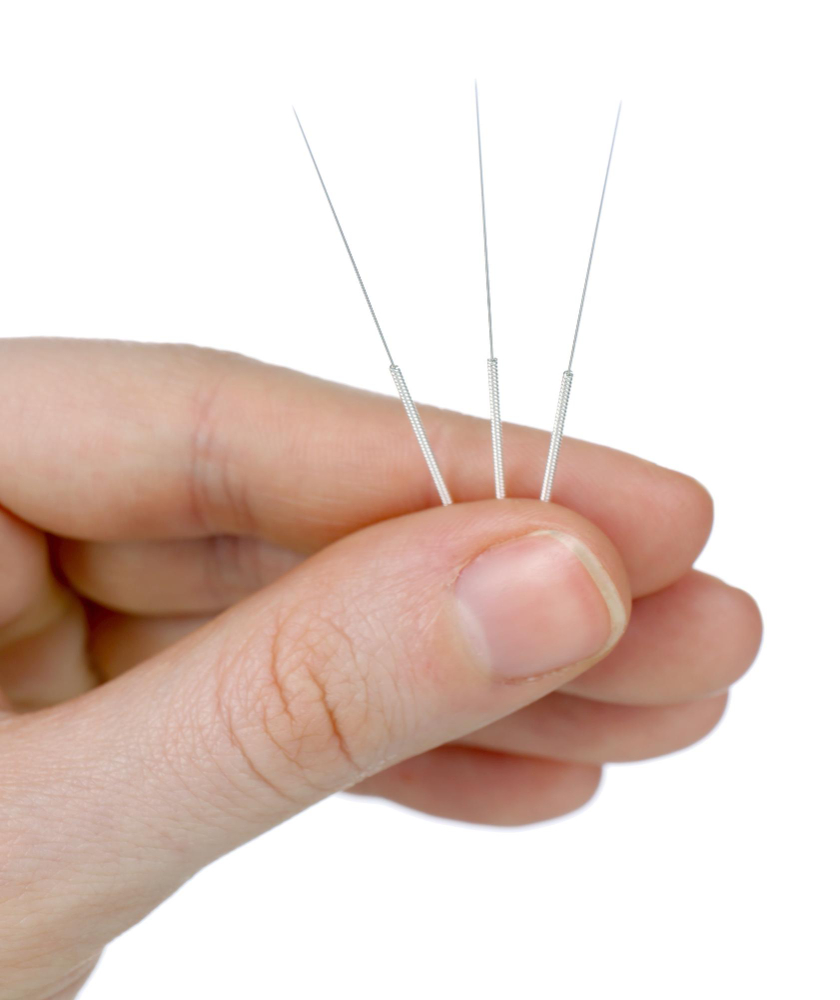
5. The World’s Finest Acupuncture Needles
Modern acupuncture needles are incredibly fine—some are as thin as 0.12 millimeters, even finer than a strand of human hair! Compared to hypodermic needles used for injections or drawing blood, acupuncture needles are much smaller and more delicate.
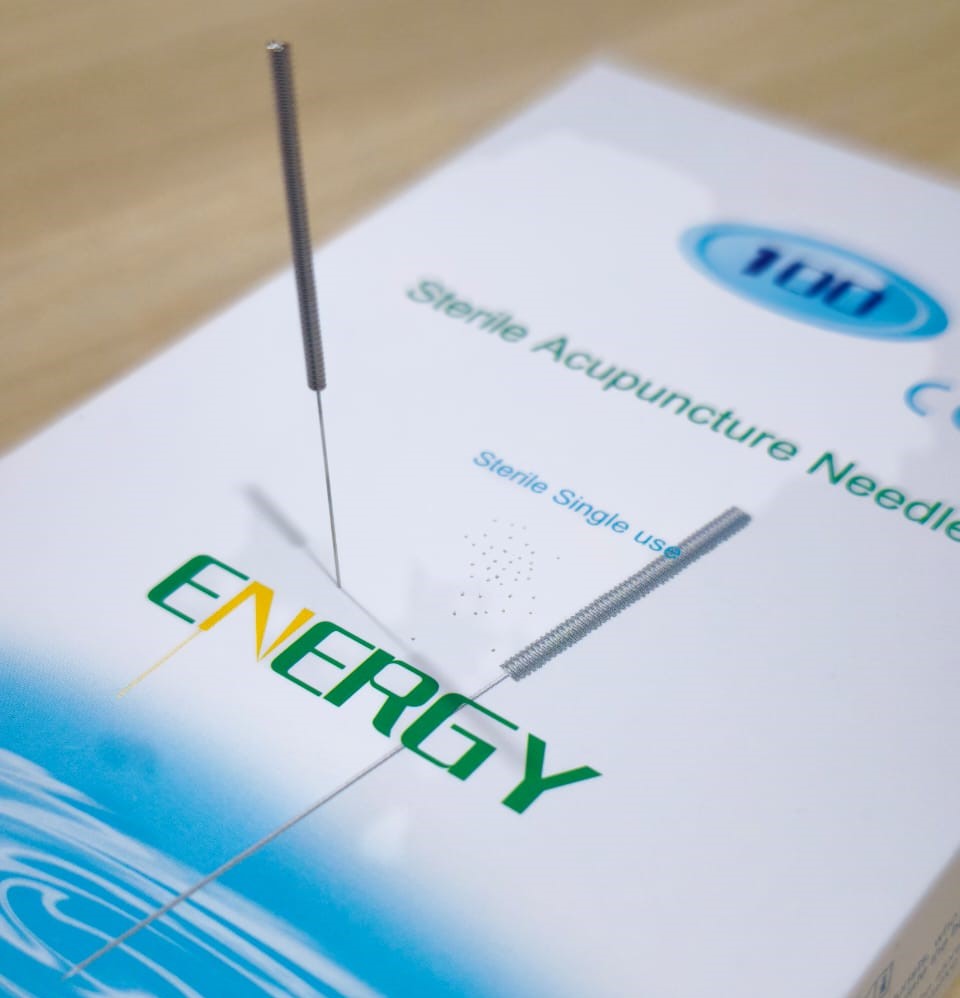
6. Acupuncture Needles Are Tougher Than You Think
Although acupuncture needles are thin like strands of hair, they are surprisingly durable. Typically made from high-strength stainless steel, these needles are both flexible and resistant to breakage. During acupuncture treatments, even when bent or rotated, the needles maintain their integrity, ensuring safety and enhancing therapeutic effects.
7. Acupuncture Needles Are Single-Use Only
In today’s era of heightened attention to hygiene, every acupuncture needle used in a session is strictly single-use. Practitioners select new, sterilized needles for each treatment to ensure the highest level of safety and cleanliness.
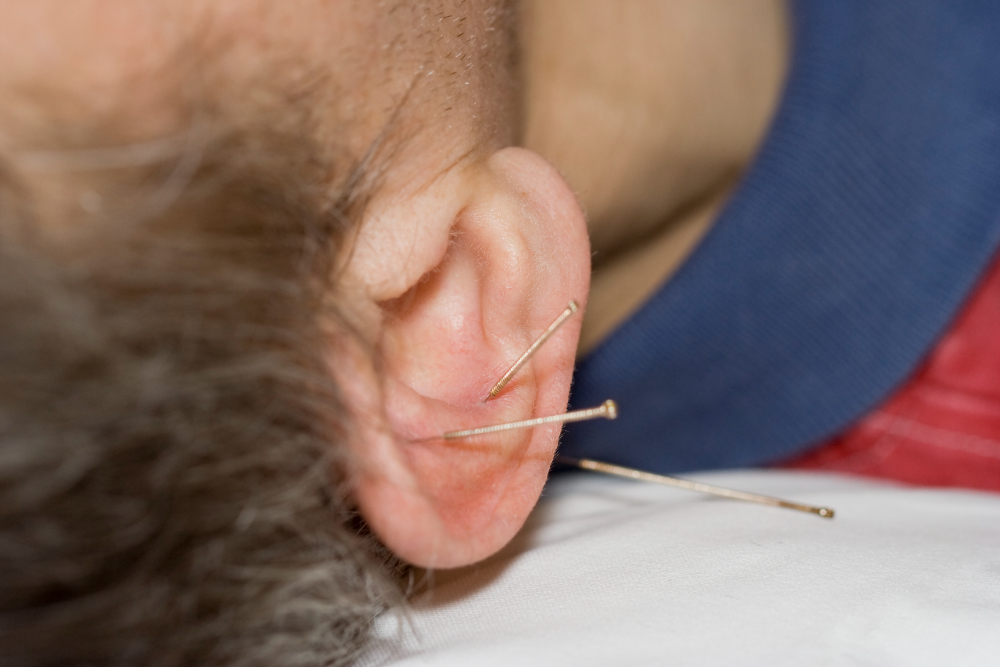
8. Not All Needles Go Deep
Some acupuncture points require only shallow needle insertion to achieve remarkable effects, such as points on the ears or around the eyes. This demonstrates the precision and subtlety of acupuncture techniques.
9. Acupuncture Doesn’t Always Hurt
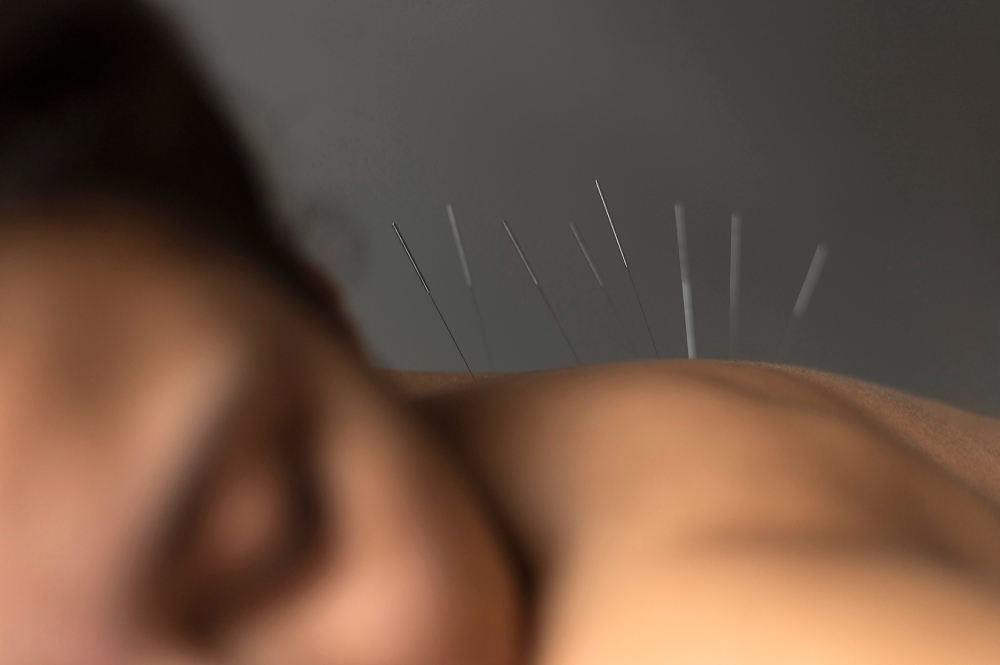
Many people assume acupuncture is painful, but in reality, most treatments involve only a mild prick or no discomfort at all. When ultra-fine needles are used, you might barely feel them—similar to the sensation of a mosquito bite.

10. The “Sore, Numb, Heavy” Sensation During Acupuncture
The sensations of soreness, numbness, or heaviness experienced during acupuncture are collectively known as “De Qi” (obtaining Qi). These feelings represent the body’s response to the treatment and indicate that the meridians are being activated. Soreness often signals improved Qi and blood flow, numbness relates to nerve sensitivity, and heaviness suggests improved circulation. These sensations are key to acupuncture’s therapeutic effects.
I hope these fascinating titbits have sparked your curiosity about acupuncture and the meridian system, as well as helped you appreciate the wisdom and marvel of traditional Chinese medicine! If you’d like to learn more, stay tuned for Fascinating Facts About Acupuncture (Part 2)!
此文章还有以下语言版本:
 简体中文 (Chinese (Simplified))
  Melayu (Malay)
