
1. Under what circumstances does acne need to be treated?
Treatment of acne depends on a variety of factors, including the severity of the acne, frequency of attacks, and impact on the patient’s life.
If you encounter the following situations, it means you need treatment:
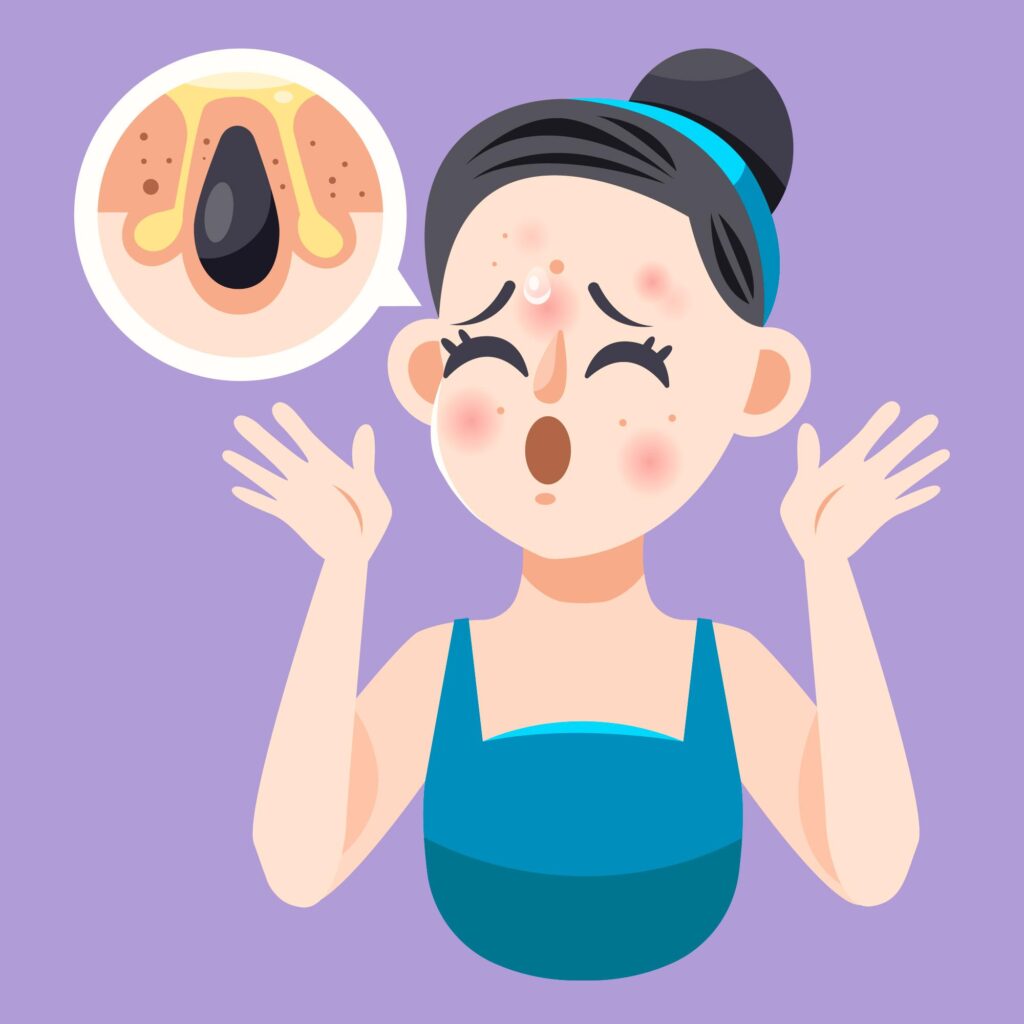
Frequent outbreaks:
When breakouts occur frequently rather than just occasionally.
Severe inflammation:
When acne appears red, swollen, painful, or has obvious signs of inflammation.
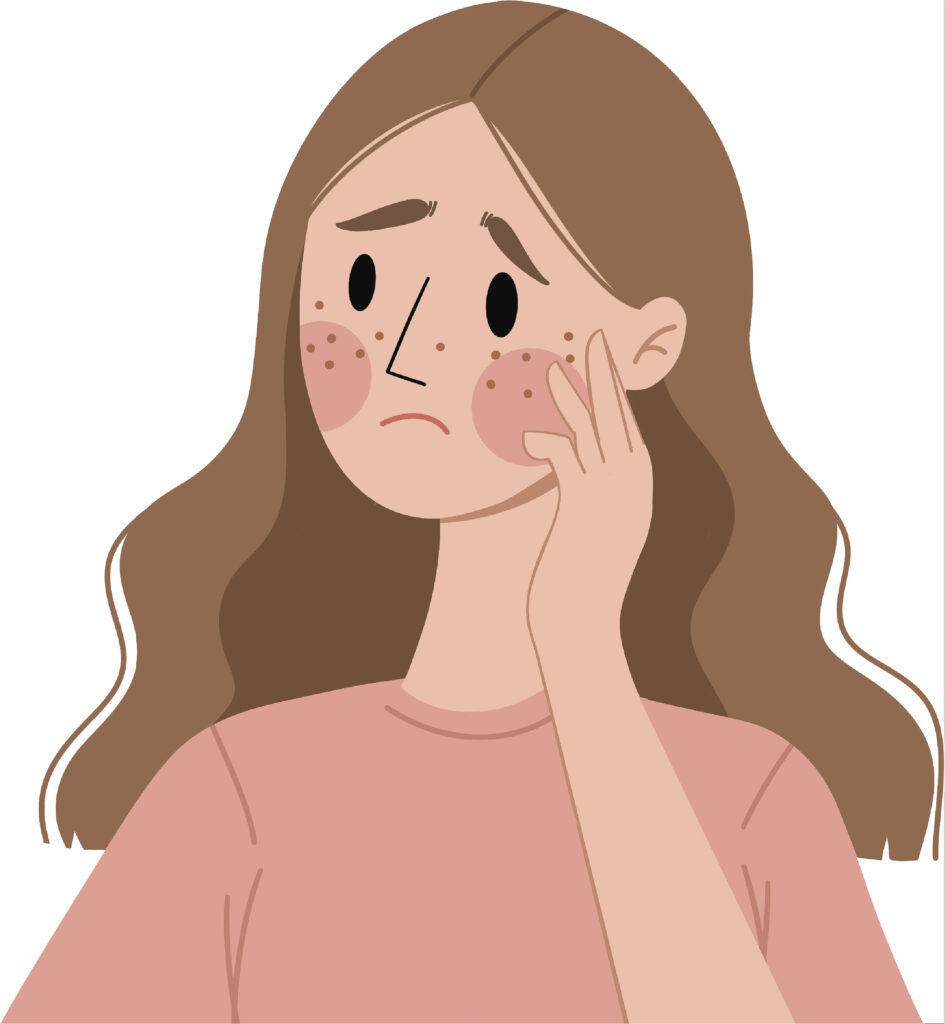
Impact on appearance and psychology:
When acne affects appearance, it has a negative psychological impact on the patient.
Acne marks and acne scars:
When acne leaves acne marks or scars, it cannot heal on its own for a long time.
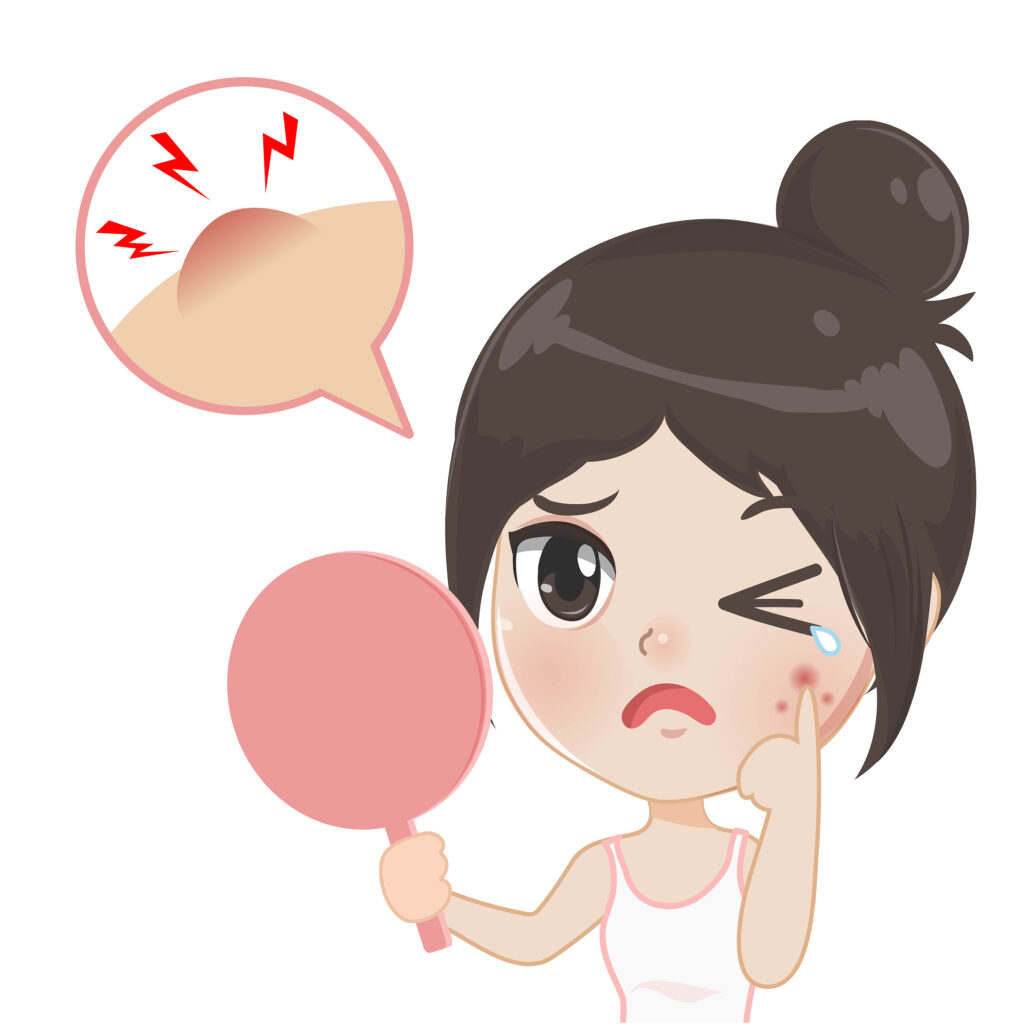
Discomfort and Pain:
When acne causes pain, burning, abscesses, or other uncomfortable sensations and reactions.
Summary
The appearance of acne is not only a skin problem, but also a signal from within the body. If acne occurs frequently, is accompanied by significant inflammation, pain or itching, or affects your quality of life, this is a sign that treatment is needed.
2.What are the consequences of leaving acne untreated?
Severe acne problems need to be treated as early as possible to alleviate the condition, improve symptoms, reduce the negative impact of acne on youth life, or prevent acne from getting worse. If not treated in time, the following situations may occur:
Exacerbation of symptoms:
If acne is not effectively treated, it may continue to develop, leading to an increase in the number of acne.
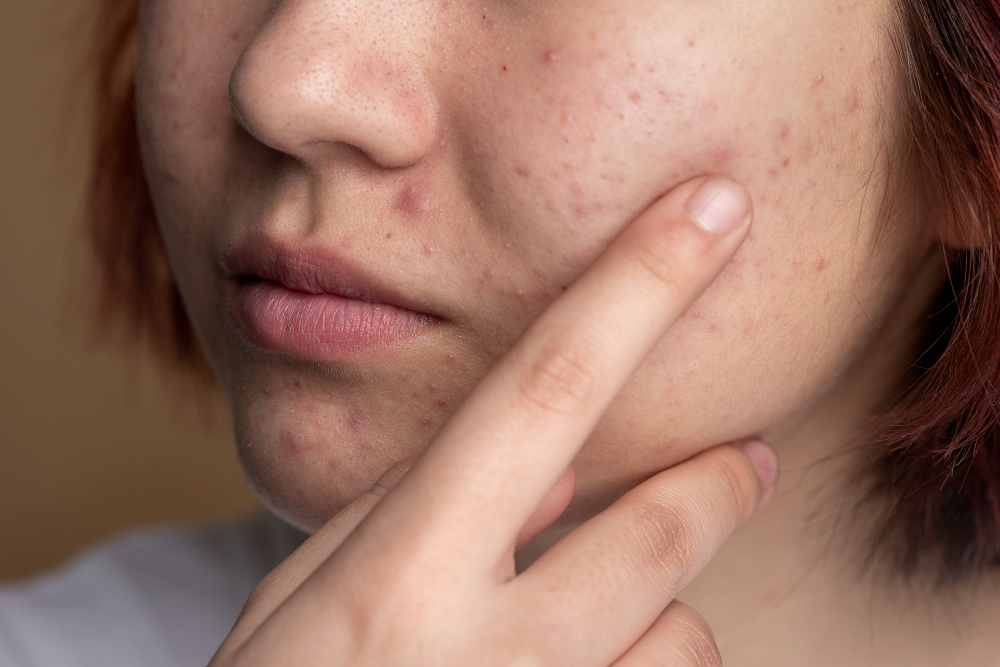
Scars and acne marks:
Acne that does not subside in time may cause inflammation and increase the risk of scars and acne marks.
Risk of infection:
Occasionally squeezing pimples, touching pimples with unclean hands, or inappropriate use of cosmetics may lead to infection and further aggravate symptoms.
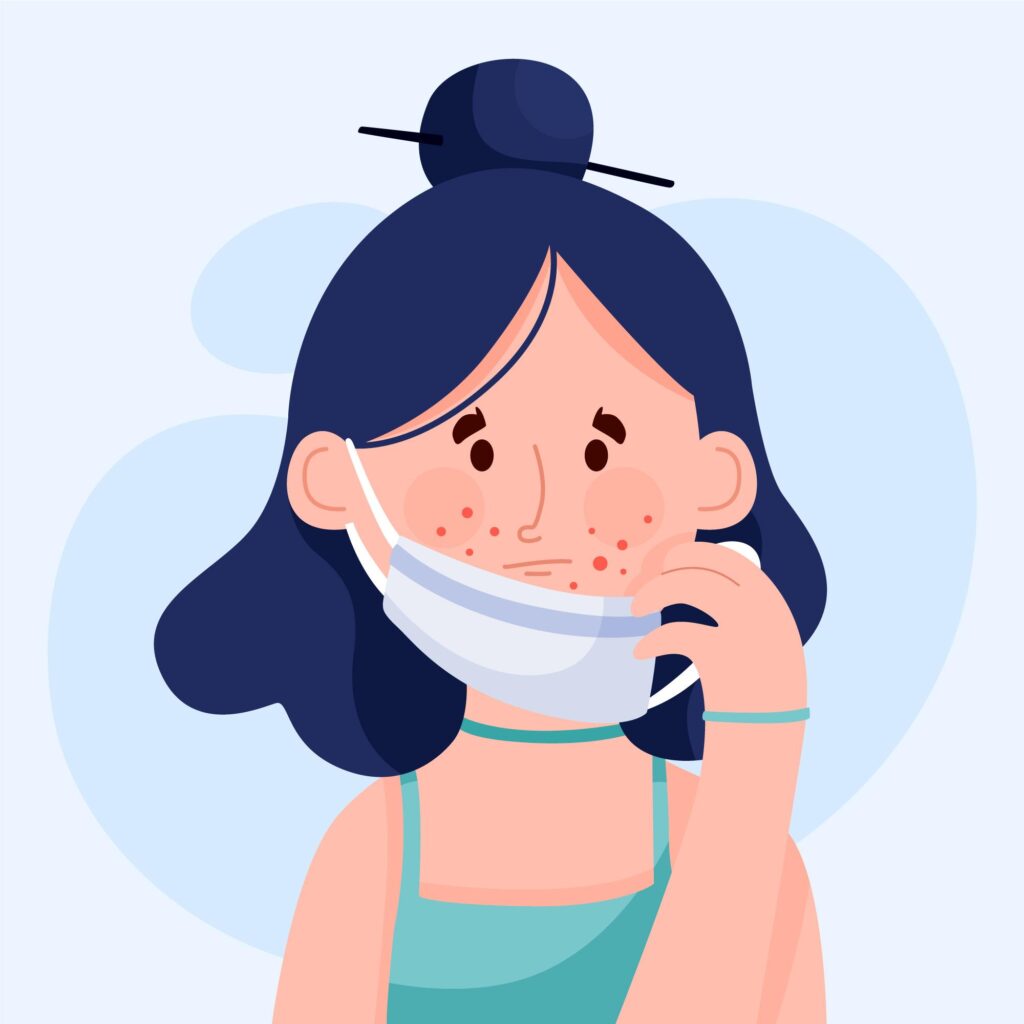
Impact on mental health:
Long-term exposure to acne may have a negative impact on mental health, weaken self-esteem and self-confidence, or cause more emotional problems.
Impedes social interaction:
The impact of acne on appearance may make patients feel uneasy and avoid interacting with others, affecting their normal social life.
Persistent discomfort:
Acne may be accompanied by pain, itching and other uncomfortable symptoms, affecting the patient’s quality of life.
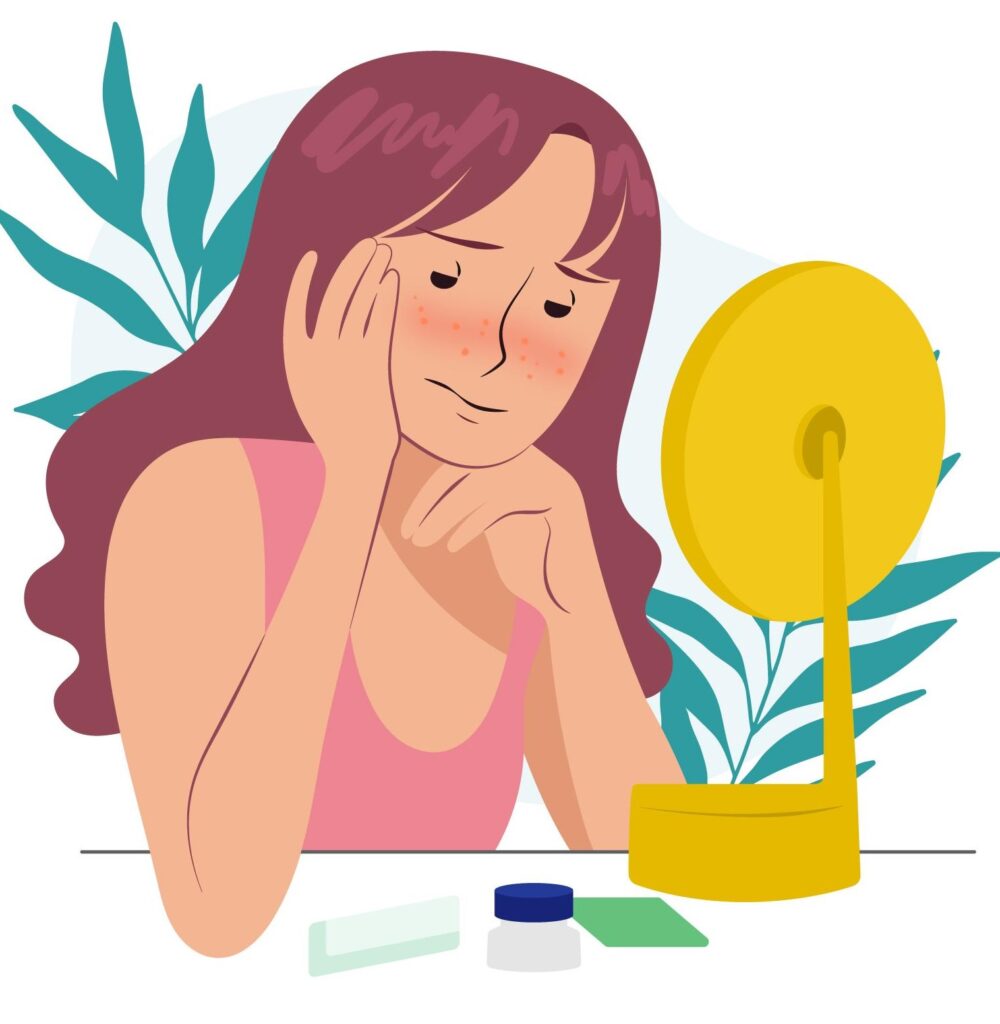
Recurrent:
Some acne heals on its own and may reappear without targeted treatment.
Summary
Ignoring pimples for a long time can lead to increased inflammation, stubborn scars, and even infection. More seriously, these problems can have a negative impact on mental health and affect personal self-confidence.
3. Can acne heal on its own?
Acne may heal naturally in some cases, but not in all cases.
Natural acne healing often depends on factors such as an individual’s immune system, type of acne, lifestyle, and health care practices.
Here are some situations in which acne may heal on its own:
Occasional breakouts:
If you have an occasional, very minor breakout, it may heal naturally over a period of time, especially if you avoid touching, squeezing, and take good skin care measures.
Non-inflammatory acne:
Non-inflammatory acne, such as closed comedones and whiteheads, may resolve relatively easily on their own without causing a significant inflammatory response.
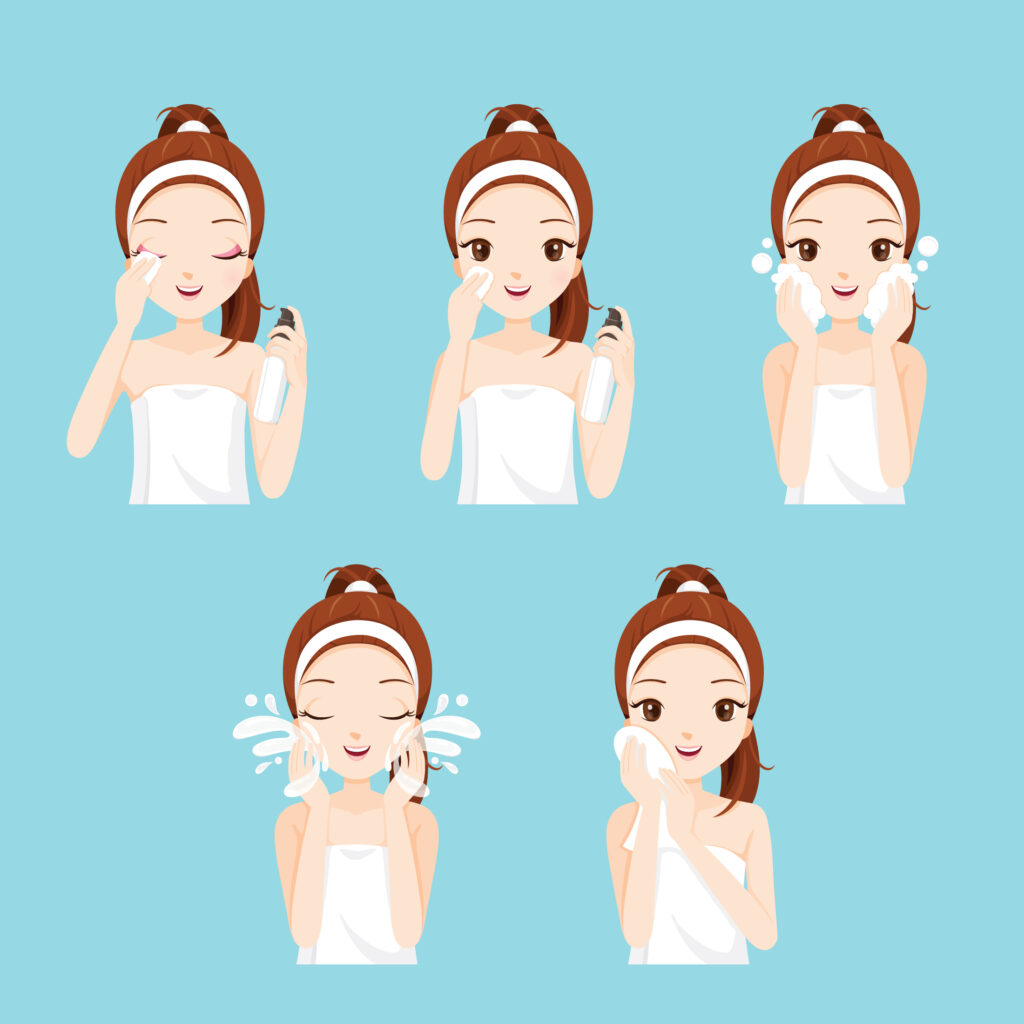
Good care:
Taking the right skin care steps, using gentle cleansers, avoiding harsh cosmetics, and keeping your skin clean and moisturized can help promote the natural healing of acne.
Summary
While some acne may heal naturally over time, inflammatory, severe, or persistent acne is less likely to heal on its own, and appropriate treatment is necessary.
4. Under what circumstances will acne scars be left?
Acne scarring on the face usually involves the formation and treatment of inflammatory acne.
Here are some conditions that may cause acne scars on the face:
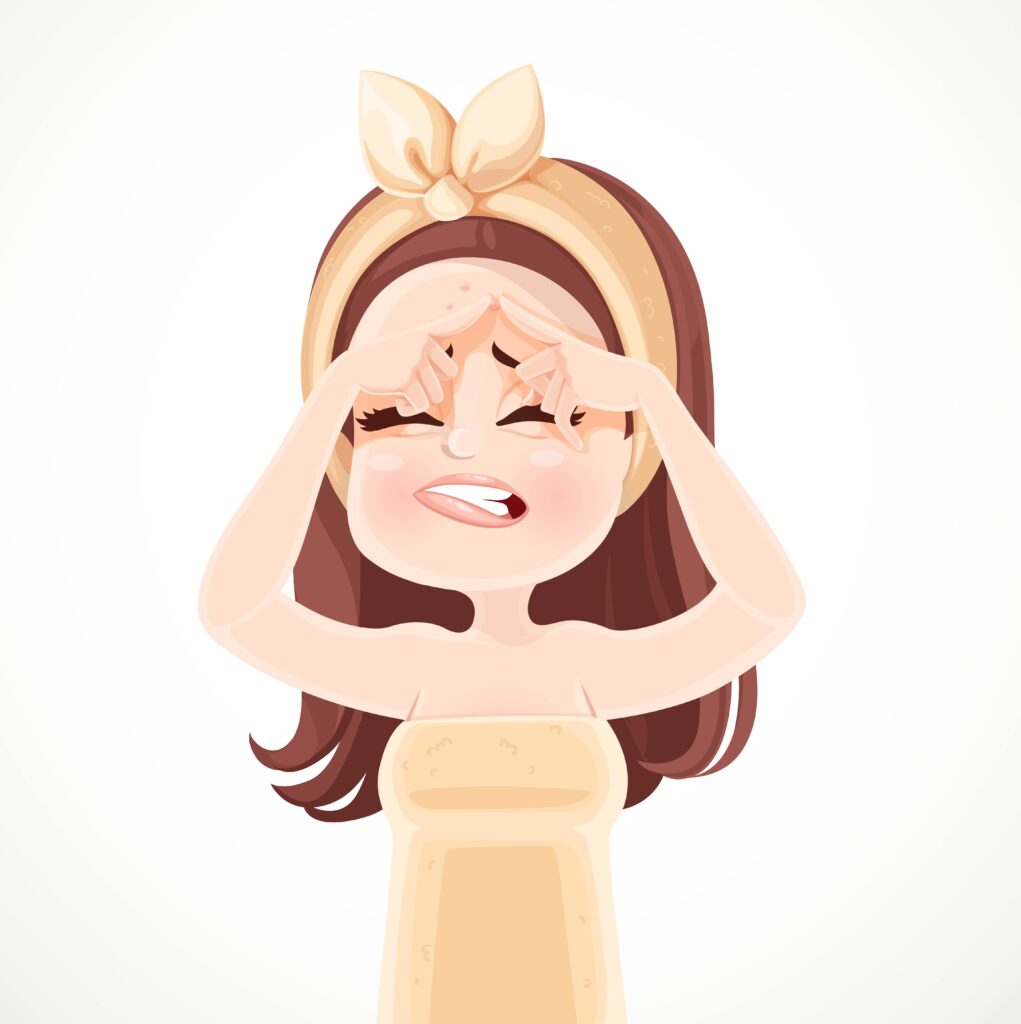
Squeeze the pimple yourself:
Squeezing the pimple may cause increased inflammation and increase the risk of scarring.
Inflammatory acne:
Some inflammatory acne, especially cystic acne, may cause a more severe inflammatory reaction and increase the likelihood of scarring.
Frequent irritation:
Excessive cleansing, use of irritating skin care products, and frequent use of cosmetics may cause dryness, irritation, and damage to the skin, thereby affecting the scar healing process.
Improper treatment:
Unscientific treatment may lead to the spread of inflammation and scar formation.
Individual constitution:
Skin with a scarring constitution is more prone to scarring, and even minor inflammation may lead to obvious acne scars.
Summary
Not all acne will leave scars, but pimples that are highly inflamed, self-squeezing, or not treated properly may increase the risk of scarring. Consulting a doctor and adopting scientific and effective treatment methods can help reduce the possibility of scar formation.

Hope the content in this issue has answered everyone’s myths and confusions about acne treatment.
Contents of the next issue,
the do’s and don’ts of treating acne with TCM and the common concerns of patients during treatment. See you.
此文章还有以下语言版本:
 简体中文 (Chinese (Simplified))
  Melayu (Malay)
