

Motion sickness, also known as travel sickness, refers to the collective term for car sickness, seasickness, and airsickness. It commonly occurs when traveling in vehicles and is characterized by symptoms such as dizziness, nausea, vomiting, discomfort in the upper abdomen, pale complexion, and cold sweats. Typically, the symptoms subside after stopping the travel and do not pose a threat to life.
Strictly speaking, motion sickness is not a genuine disease. Unlike typical illnesses, it is merely an emergency response of a sensitive body to excessive stimuli. Therefore, there are no true curative measures or remedies for motion sickness. Existing preventive and treatment methods are only temporary relief of symptoms or delay of its occurrence.
Causes of motion sickness:
1) It tends to occur when there is lack of sleep or excessive fatigue.

2) It can also occur when one is excessively full or hungry.

3) It can occur with certain ear disorders.

4) A lack of air circulation in the vehicle cabin or exposure to certain odors such as gasoline can trigger motion sickness.

5) Individual differences: When the incoming balance stimuli are excessively strong, such as sudden braking or intense rotation, even in a normal state of balance system safety, it can make a person feel dizzy. This is a normal physiological phenomenon that disappears after a moment. However, some people have a low tolerance for such stimuli and exhibit strong reactions even to mild balance stimuli.

Methods to alleviate motion sickness:
1) Motion sickness medication: Take the medication, such as Veloxin, approximately 30 minutes before boarding a vehicle or ship. Follow the instructions or consult a doctor regarding dosage and administration. Do not take the medication blindly or in excessive amounts.

2) Orange peel: About 1 hour before boarding, fold a fresh orange peel with the surface facing outward and press it against both nostrils. The peel will release aromatic oil mist. Inhale it for more than 10 times, and continue to do so during the journey.

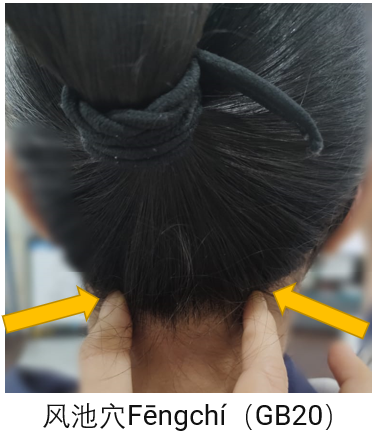
3) Essential oil: (e.g., peppermint oil): During the journey, apply mentholated oil to the temples or Fengchi acupoint. You can also place two drops of mentholated oil on the navel and cover it with a pain relief patch.
4) Vinegar: Drink a cup of warm water with vinegar before traveling. It also helps reduce the likelihood of motion sickness during the journey.

5) Fresh ginger: Hold a piece of fresh ginger in your hand while traveling and smell it under your nostrils whenever needed, allowing the spicy aroma to enter your nose. You can also stick a ginger slice on the navel.

6) Apply pressure to the Neiguan acupoint: When experiencing motion sickness, use your thumb to apply pressure on the Neiguan acupoint (located on the palm side of the wrist, approximately two finger-widths above the transverse wrist crease, between the two tendons).

Motion sickness sufferers should tighten their seat belts before boarding to prevent excessive movement of the internal organs. Once onboard, they should choose a seat that is less likely to sway, focus their gaze on distant objects, and try to avoid looking at nearby objects, especially during downhill sections. It is important to hold on tight and reduce the impact of inertia on the internal organs. In a tightly sealed car or a vehicle with a strong gasoline smell, ventilation should be ensured to help prevent motion sickness. If feeling uncomfortable, it is advisable to immediately choose a suitable seat near the front of the vehicle and rest. Sleeping is often the best, most cost-effective method to prevent motion sickness.

此文章还有以下语言版本:
 简体中文 (Chinese (Simplified))
  Melayu (Malay)
