

Getting sick is often perceived as an unpleasant or even frightening experience, especially for those who experience frequent illness. This experience is typically accompanied by fear of the unknown, physical pain or discomfort, and concerns about the impact on daily life.
Nevertheless, illness can also be viewed as a signal from the body, prompting us to pay attention and modify our lifestyles, and to prioritize the care of our physical and mental well-being.
Defining Health
- World Health Organization’s Perspective
The World Health Organization defines health as “a state of complete physical, mental, and social well-being,” not merely the absence of disease or infirmity. This definition underscores the comprehensive and multidimensional nature of health, reminding us that health encompasses not only the absence of physical illness but also psychological and social well-being.
- Traditional Chinese Medicine’s Concept of Health
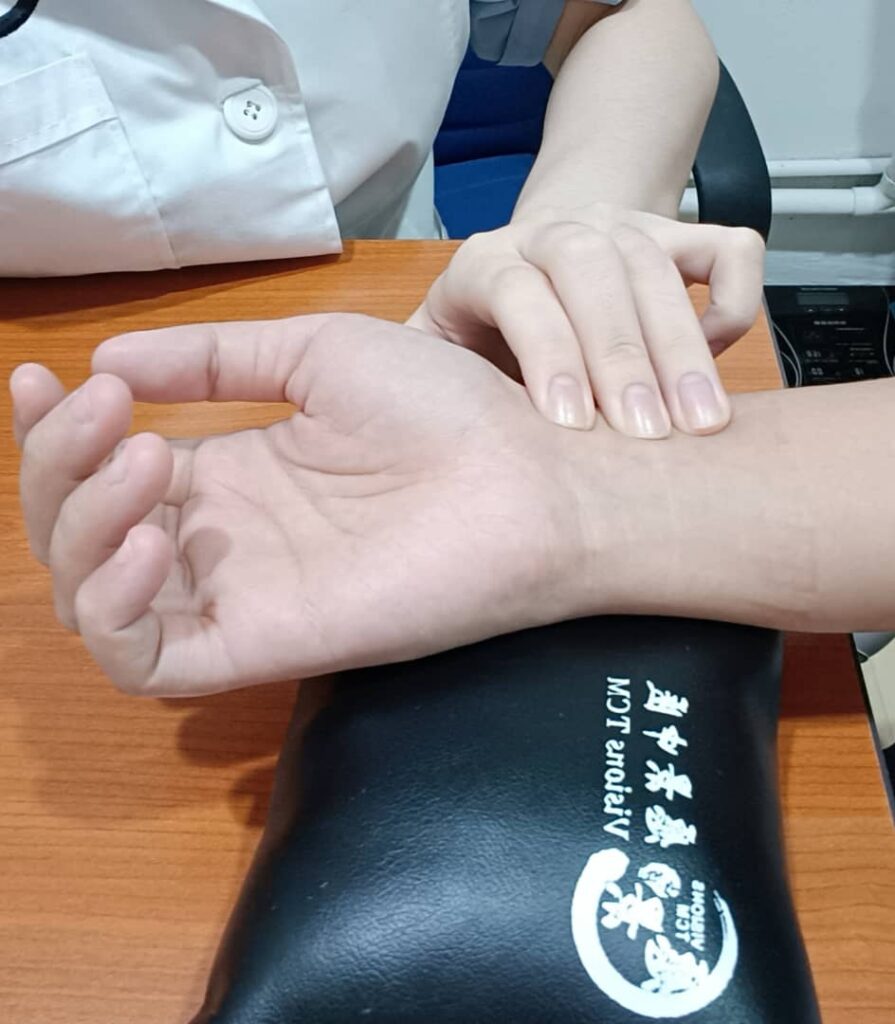
In contrast to the WHO’s static and idealized definition of health, Traditional Chinese Medicine (TCM) presents a dynamic concept of health. TCM regards health as a state of continual adaptation to external changes and the maintenance of internal balance. This equilibrium encompasses various internal elements such as Qi and internal organs, as well as the interaction between the body and its external environment. It focuses not only on the physical condition but also on the harmony of emotions, spirit, and environmental factors. The “balance” emphasized in TCM is achievable through adjustments and treatments to sustain harmony within the body and with the external environment. This concept emphasizes the significance of disease prevention and lifestyle adjustments.
Causes of Illness

Illness can be seen as the body’s natural response to external stimuli and internal imbalances.It is not solely a physiological process but also a means for the body to communicate, reflecting our adaptation to the environment, diet, lifestyle, and mental state.
Illness can be perceived as the body’s natural reaction to prolonged exposure to harm and environmental changes. Through illness, we can comprehend the body’s feedback on the current environment, dietary habits, lifestyle, and mental state. Hence, disease often arises from long-term neglect of health or unhealthy lifestyles.
Personal Health Responsibility
To uphold good health, we must prioritize several key factors:
1. Maintaining a Positive Mindset:

From the perspective of TCM, emotions significantly impact health. Sustaining a positive and tranquil mindset is crucial for physical health.
2. Adequate Sleep:

Quality sleep forms the basis for body recovery and health maintenance.
3. Regular Exercise:

Appropriate physical activity enhances physical fitness, boosts immunity, and prevents diseases.
4. Balanced Nutrition:

A well-rounded diet supplies essential nutrients for the body, supporting physical and mental well-being.
Our health is in our hands
Our well-being is within our control. Health is a holistic, ever-changing condition that necessitates our proactive involvement and care. Each individual possesses the ability to impact their own health. Medical treatments and supplements serve as secondary resources only. It is crucial for everyone to assume responsibility for their well-being. Taking ownership of our health means understanding our body’s requirements, proactively modifying behaviours that impact health, such as enhancing dietary practices, increasing physical activity, managing stress, and regulating emotions. Through daily choices and actions, we can positively influence our health and enhance our overall quality of life.
此文章还有以下语言版本:
 简体中文 (Chinese (Simplified))
  Melayu (Malay)
