
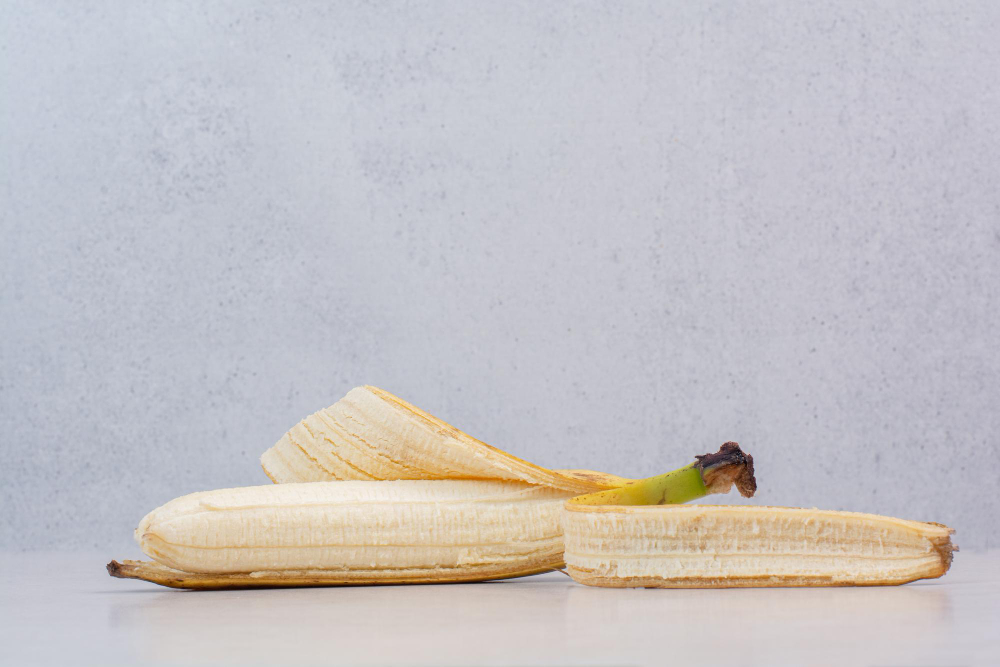
While conducting research on paediatric body constitution from a Traditional Chinese Medicine (TCM) perspective, I had the opportunity to speak with several parents.When the topic of children’s bowel habits came up, many raised similar questions:
- “Why is banana-shaped stool considered a sign of good health?”
- “My child poops two to three times a day—isn’t that a sign of strong digestion?”
- “My child has a bowel movement after every meal. Doesn’t that mean their metabolism is fast and functioning well? Why would that be seen as a concern?”
These seemingly simple questions actually reflect deeper misconceptions—what we might call “stool myths”—that contrast with how TCM views the digestive and excretory systems.
So today, let’s take a closer look from a TCM perspective: what does healthy stool really look like in children?
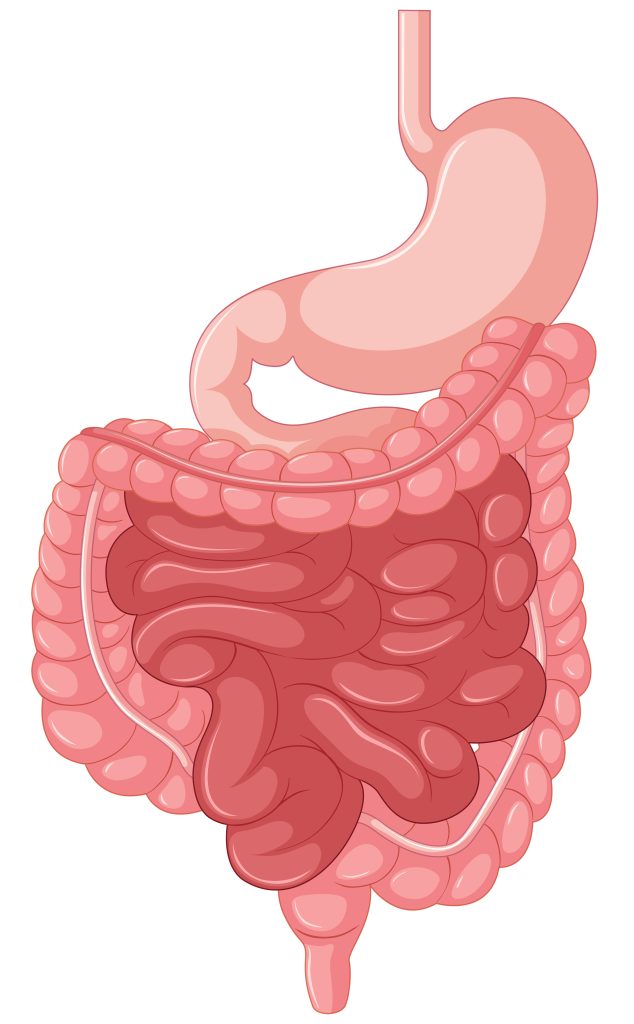
What Can Stool Reveal About a Child’s Spleen and Digestive Health?
In Traditional Chinese Medicine (TCM), it is believed that “the Spleen governs transportation and transformation, while the Large Intestine governs transmission.” A child’s bowel movements are more than just a way to excrete waste—they provide important clues about the functioning of the spleen and stomach, the body’s fluid balance (Jin-Ye), and the smooth circulation of qi (vital energy).
In Traditional Chinese Medicine (TCM), the Spleen plays a central role in digestion and the assimilation of nutrients. The concept of “transportation and transformation” encompasses two core functions:
- Transportation: the movement of nutrients extracted from food to various tissues and organs
- Transformation: the conversion of ingested food into qi (vital energy) and blood, which are essential for sustaining physiological functions
In essence, the Spleen acts as the body’s digestive regulator and nutrient distributor—facilitating both the uptake of nourishment and its effective distribution throughout the body.
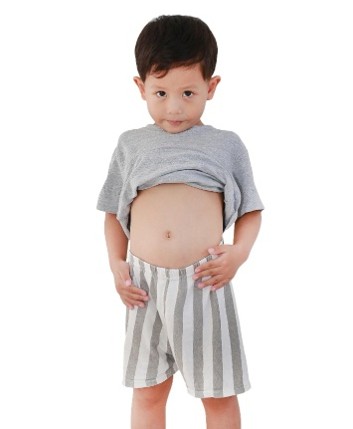
When Spleen Qi deficiency occurs in children, typical clinical manifestations may include:
- Reduced appetite: infrequent hunger or consistently low food intake
- Poor nutrient assimilation: adequate food consumption with minimal weight gain
- Post-meal bloating: abdominal distension or gas formation after meals
- Loose stools or the presence of undigested food in the stool
“The Large Intestine Governs Transmission” refers to its essential role in the rhythmic movement, temporary storage, and eventual excretion of waste that the body no longer needs.
When the large intestine functions optimally, a child’s bowel movements typically show:
- Consistent timing (occurring around the same time each day)
- Effortless passage (without straining or discomfort)
- Well-formed stool (soft yet cohesive, firm but not hard)
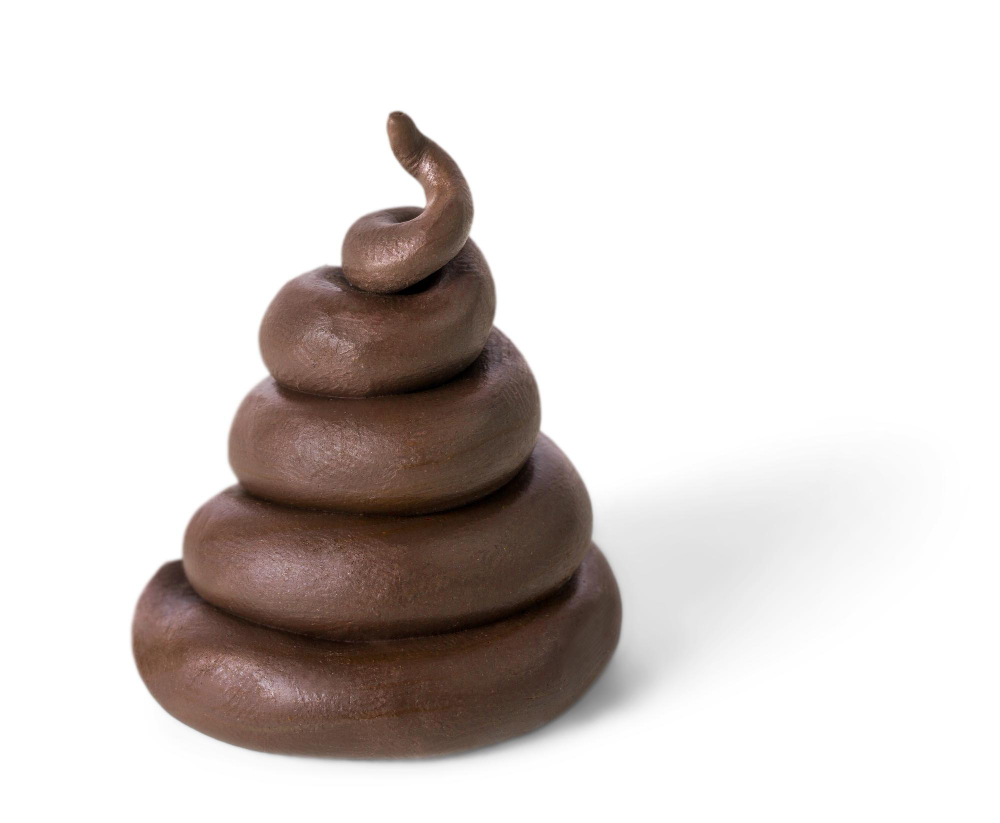
What Is a “Banana-Shaped Stool”?
In Traditional Chinese Medicine (TCM), this term refers to a type of bowel movement that exhibits several ideal characteristics:
- Well-formed: Indicates balanced body fluids—neither too dry nor too loose—suggesting that the Spleen is effectively transforming food into nutrients and facilitating proper elimination.
- Soft and easy to pass: Reflects healthy intestinal motility and smooth qi flow, allowing the child to pass stool effortlessly, without straining, resistance, or discomfort.
- Yellow-brown in color with a mild odor: Suggests efficient digestion, free from food stagnation or internal damp-heat.
- Consistently timed once daily: Demonstrates regular bowel function and a well-regulated daily rhythm.
On the other hand, stool that is too dry or loose, has a strong sour odor, or if the child defecates too frequently (e.g. after every meal), may suggest Spleen and Stomach disharmony, affecting digestion and transformation functions
How Often Should a Child Poop to Be Considered Normal?
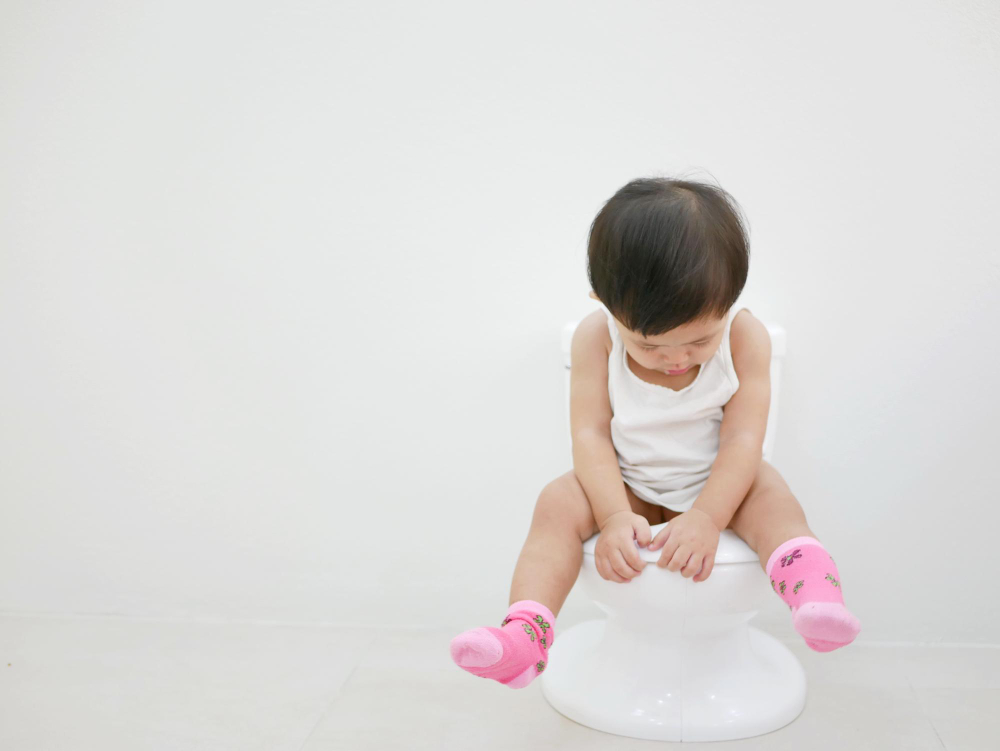
Ideally, a healthy bowel movement should occur once a day, with stool that is well-formed, neither too dry nor too loose, and moist in appearance.
However, every child has a different body constitution. Having a bowel movement once every two days or twice a day can also be considered normal—as long as:
✔ The child passes stool easily, without straining
✔ They feel comfortable afterward
✔ The stool is well-formed—not too hard, not sticky, and not excessively dry
If these conditions are met, parents generally don’t need to worry.
What might it indicate if your child’s stool seems unusual?
Many parents, upon hearing the term “banana-shaped stool,” tend to assume that as long as their child is passing stool, everything is fine. Some believe that frequent bowel movements reflect a fast metabolism, or that passing stool immediately after eating must mean the Spleen and Stomach are functioning well.
However, that’s not entirely accurate. Changes in the appearance, consistency, or frequency of a child’s stool may be subtle signals that the digestive and excretory systems are out of balance. In such cases, it may be necessary to support the Spleen and regulate the flow of qi to help restore harmony.
For example:
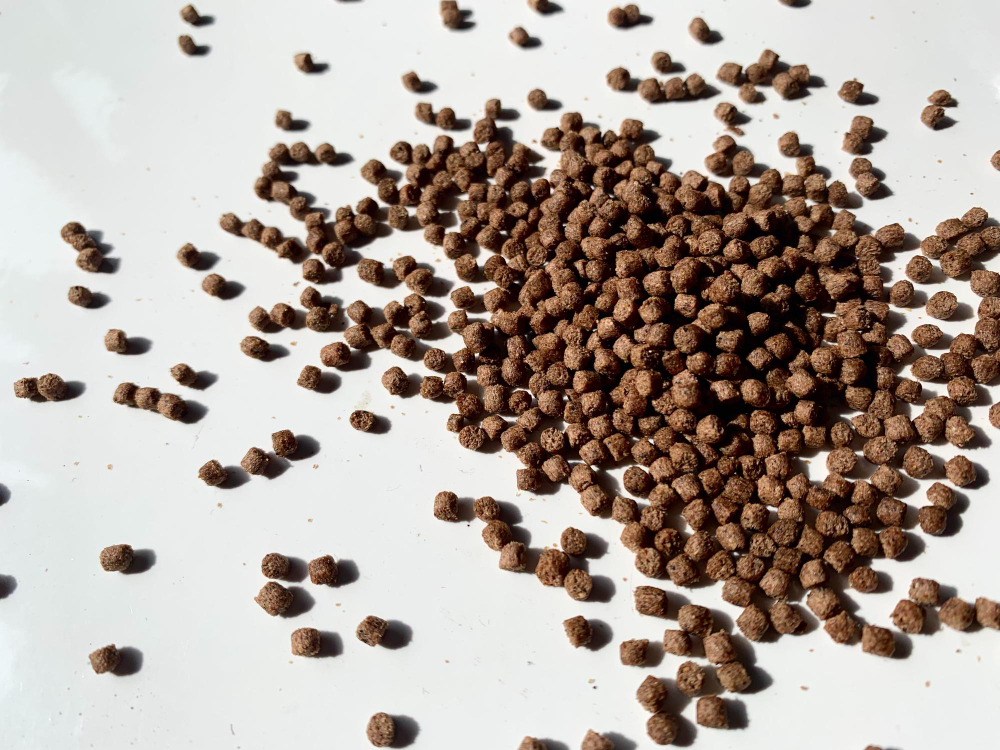
Dry, pellet-like stool that is difficult to pass
→ May suggests fluid deficiency or internal heat in the intestines. These children often have dry mouths, tend to be heaty, or sweat excessively during sleep.
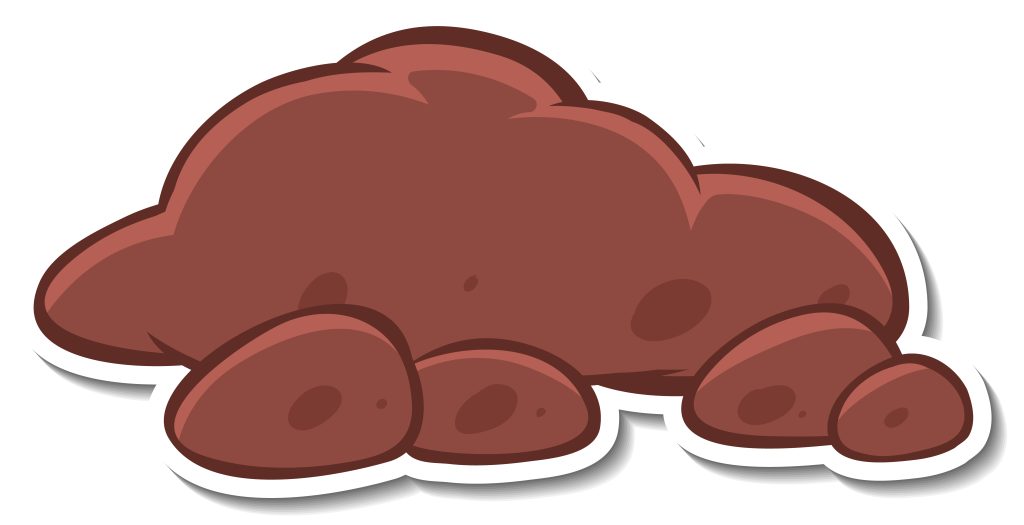
Regular bowel movements, but the stool is loose and unformed
→ Often caused by Spleen deficiency or cold-damp accumulation. These children may have poor appetite, abdominal bloating after meals, and low energy.
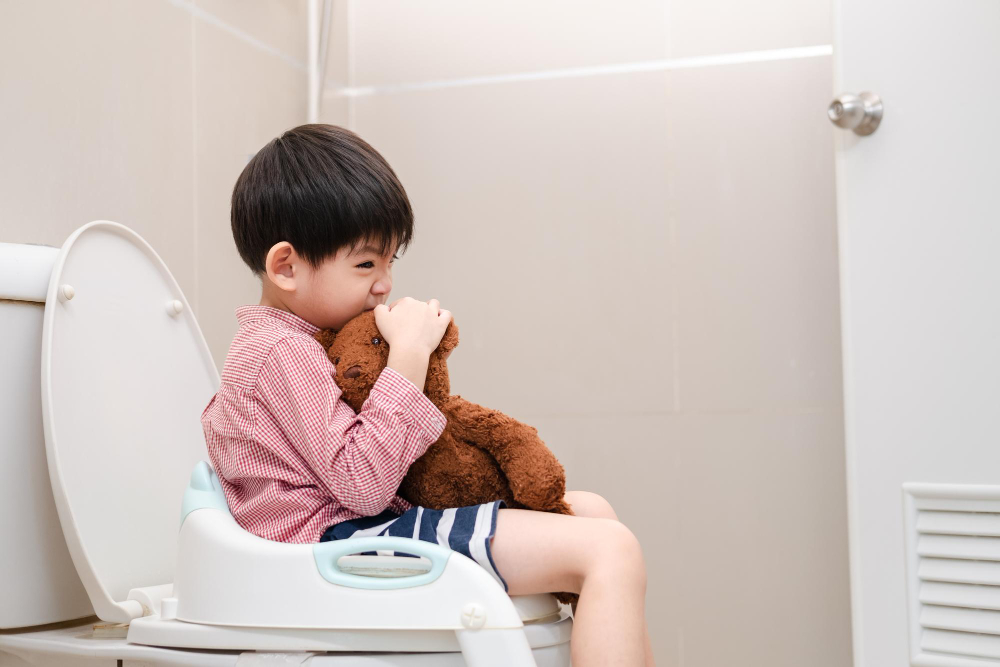
Irregular bowel frequency—sometimes three times a day, sometimes once every 2–3 days
→ Typically due to disrupted qi flow, affecting intestinal regulation. Irregular routines or emotional fluctuations can also play a role.
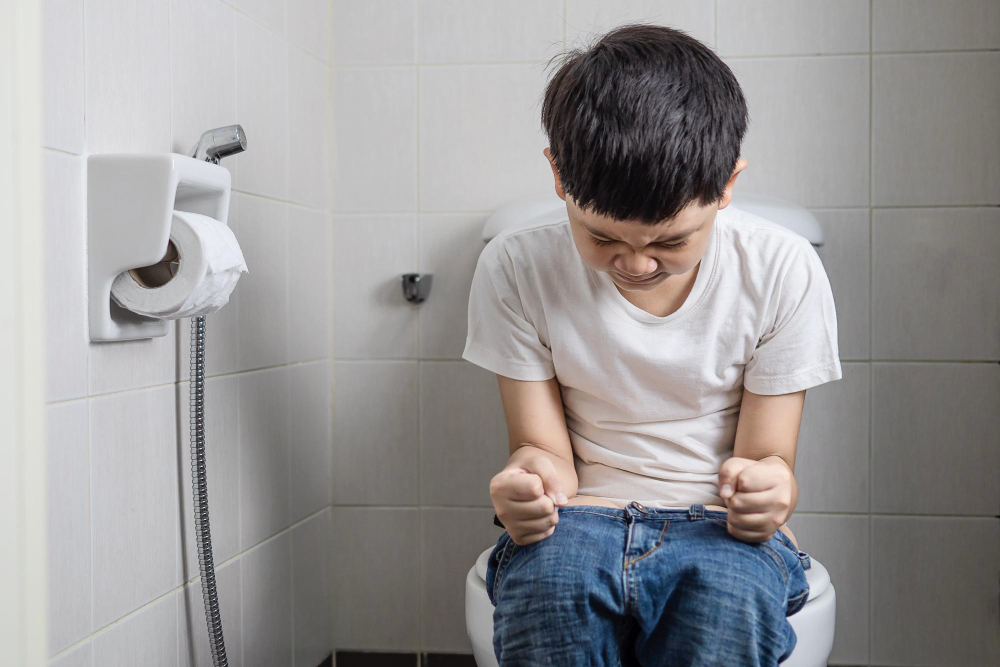
Straining or crying during bowel movements
→ Aside from true constipation, this may stem from past painful experiences, forming a psychological aversion. Underlying causes often include Spleen deficiency or intestinal heat.
What Can Parents Do When Their Child’s Stool Seems “Off”?
When you notice that your child’s bowel movements seem a little “off,” parents can consider adjusting from three key aspects:
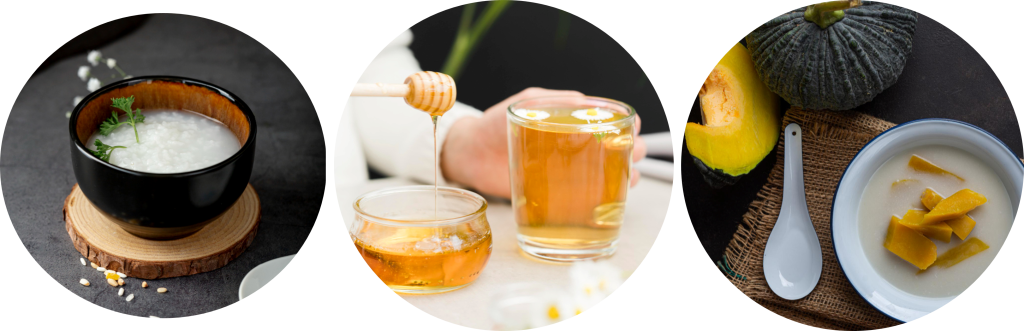
1. Dietary Support
Select foods that match the child’s stool condition to help regulate the Spleen and Stomach:
- Chinese yam porridge: Strengthens the Spleen and boosts energy; suitable for daily nourishment in children with Spleen deficiency.
- Honey water: Moistens the intestines and relieves constipation; appropriate for children with dry, difficult stools (not recommended for children under 1 year old).
- Pumpkin porridge or steamed carrot purée: Warms and supports the digestive system, helpful for improving loose stools.
Reducing “Spleen-harming” foods like cold drinks, fried snacks, and rich dairy-based desserts can also ease the digestive burden.
2. Paediatric Tui Na (Therapeutic Massage)
Parents can gently perform simple Tui Na massage once daily, especially after a warm bath or before bedtime:
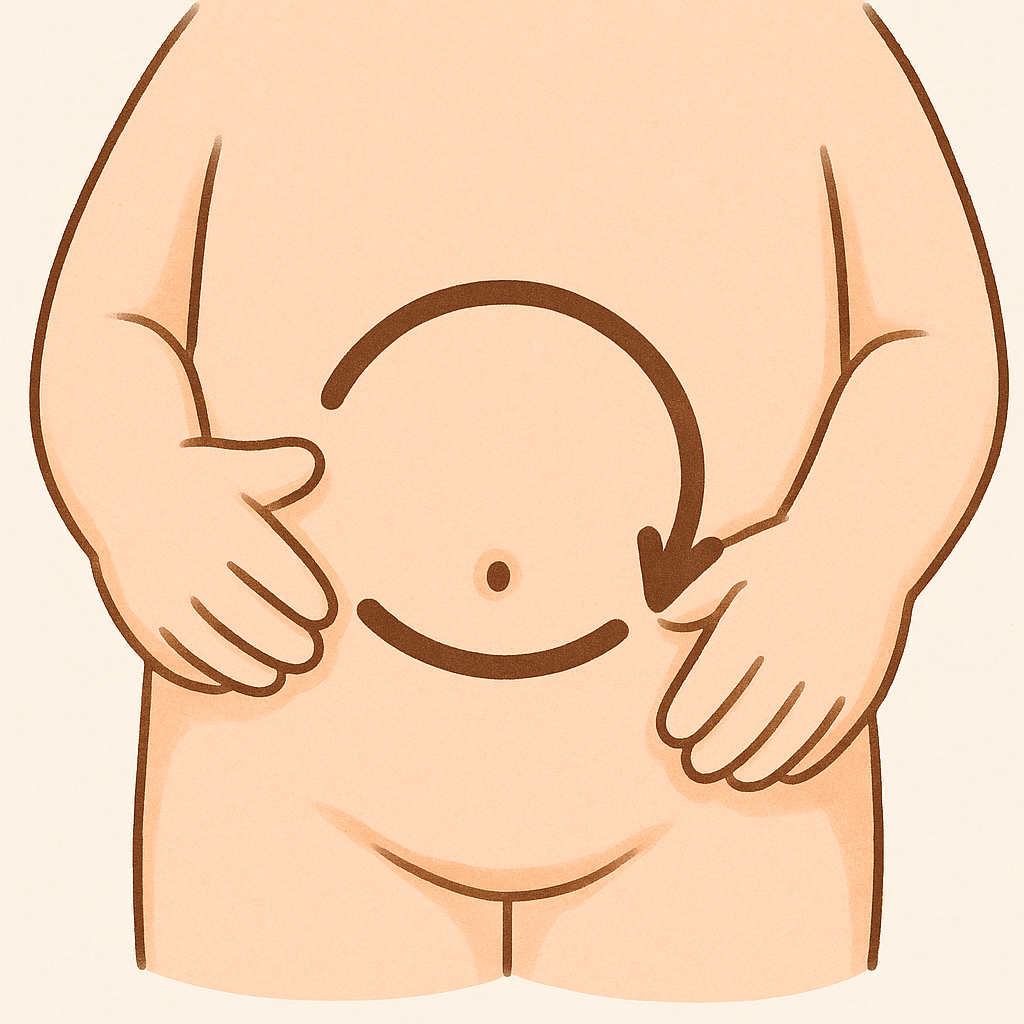
Clockwise abdominal massage (circular motion around the navel): promotes bowel movements and reduces gas.
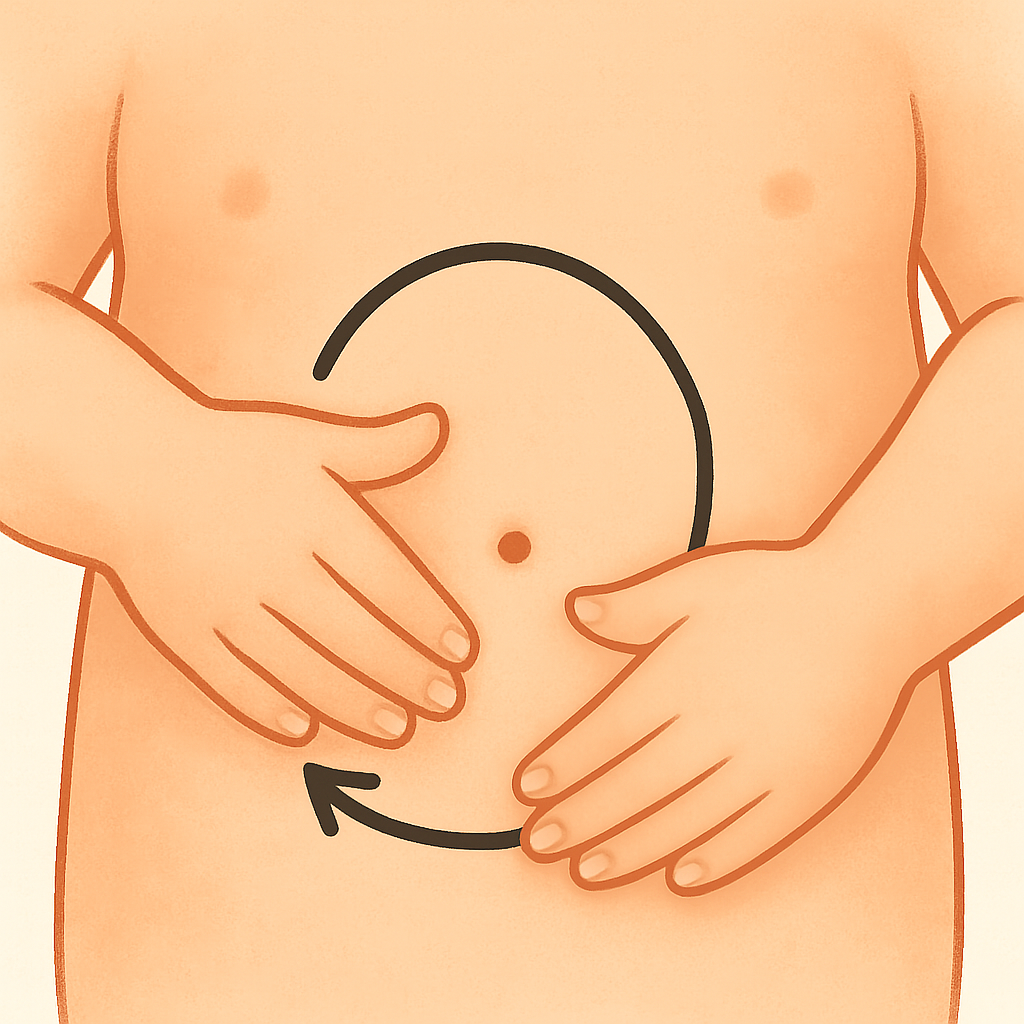
Counter-clockwise massage: more suitable when loose stools or diarrhoea is present.
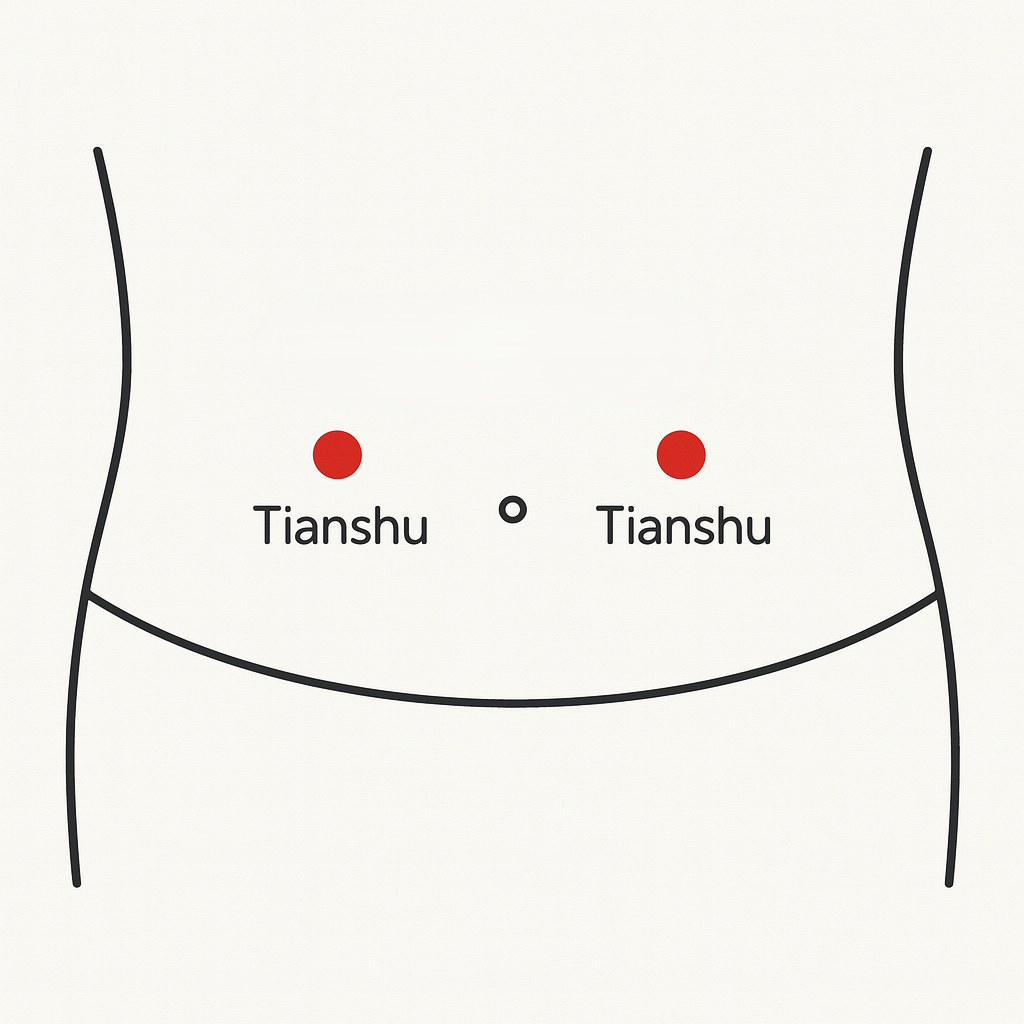
Pressing the Tian Shu acupoints (located three finger-widths to the left and right of the navel): helps regulate intestinal function and support the Spleen and Stomach.
Each session can last 3–5 minutes, using warm, gentle hands.
3. Seek Professional Support
If the issue persists such as consistently dry, loose, or irregular bowel movements,bring your child to consult a TCM practitioner. With proper pattern identification based on constitution, a personalised plan can be developed to restore healthy digestive rhythm.
A child’s stool reflects the internal rhythm of their body.
With the support of tailored diet, massage, and professional guidance, we can gently help children establish a smoother and healthier bowel habit.
If needed, don’t hesitate to consult a TCM professional to better understand your child’s constitution and address underlying imbalances from the root.
此文章还有以下语言版本:
 简体中文 (Chinese (Simplified))
  Melayu (Malay)
