
From the previous article – Fascinating Facts About Acupuncture (Part 2), we can know more about origins and knowledge of acupuncture, let us continue:
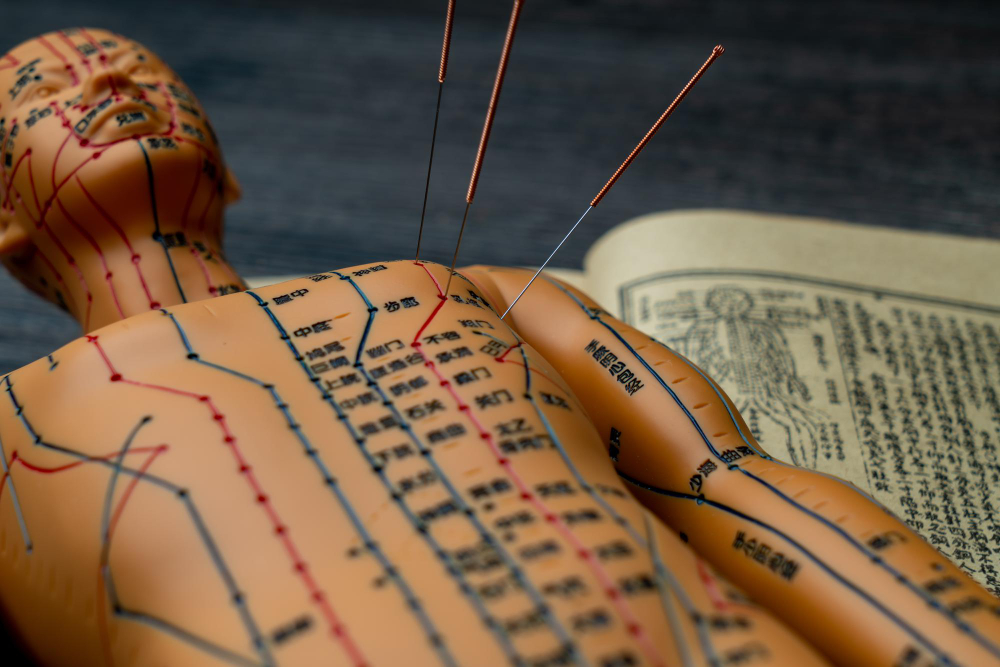
1. The “Acupuncture Tourism” Phenomenon
In many countries, especially in Europe and North America, some people travel specifically to China or other Asian countries for “acupuncture tourism.” These travelers not only seek acupuncture for treating certain ailments but also to experience this ancient and miraculous healing method.
2. Acupuncture Cultures in Different Countries
Acupuncture is practiced not only in China but also in countries like Japan, Korea, India, France, the United States, and others. Each country has its own unique style and approach to acupuncture. Some focus more on the “needle insertion” technique, while others emphasize “moxibustion” (heat therapy using mugwort).
3. Acupuncture Involves Both “Needling” and “Moxibustion”
“Needling” involves inserting fine needles into specific points on the body to stimulate meridian flow, regulate Qi and blood, and achieve therapeutic or health-preserving effects.
“Moxibustion” involves burning moxa (mugwort) to produce warmth, which is applied to acupuncture points or meridians to promote Qi and blood circulation. It is commonly used for warming the uterus, dispelling cold, promoting sleep, and relieving fatigue.
4. Different Acupuncture Methods
In traditional Chinese acupuncture, there are many unique techniques, such as “fire acupuncture,” “electroacupuncture,” “auricular acupuncture,” “skin acupuncture,” and “floating acupuncture.” These methods provide diverse treatment options tailored to different conditions, showcasing the versatility of acupuncture to meet various health needs.
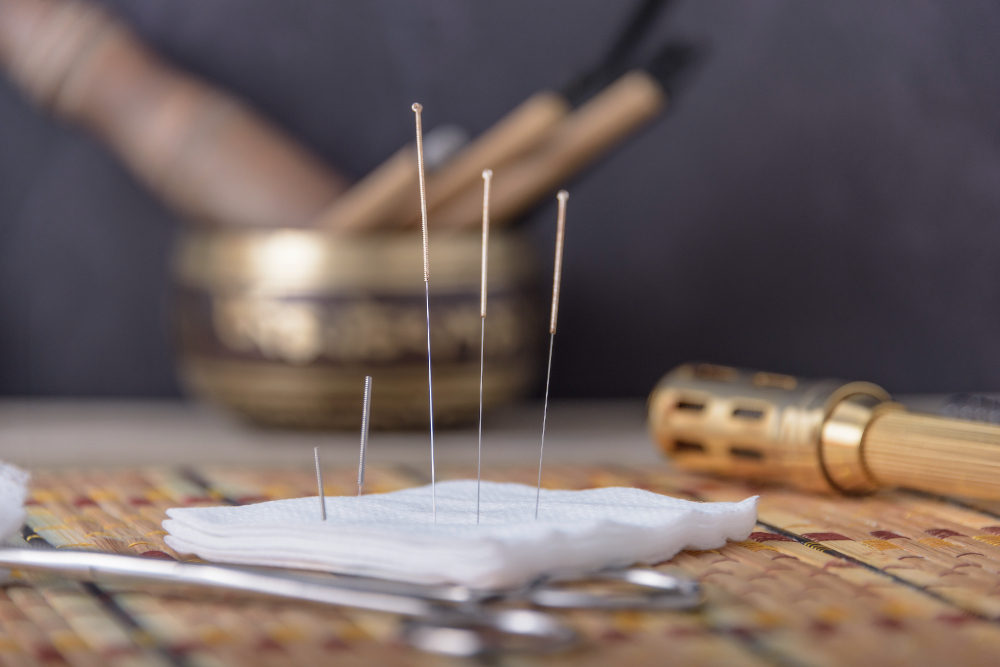
5. Needle-Free Acupuncture
Needle-free acupuncture involves using traditional meridian theories to stimulate acupuncture points without using needles.
Common treatments include techniques like tuina (Chinese therapeutic massage), auricular acupuncture, cupping therapy, magnetic therapy, and herbal plasters.
These therapies retain the principles of acupuncture while avoiding the use of traditional needles, making them ideal for those who prefer non-invasive treatments or are not suitable for needle therapy.
6. Acupuncture for Beauty
Acupuncture is also used in the field of beauty, referred to as “cosmetic acupuncture.” It involves stimulating specific facial acupuncture points to improve blood circulation, relieve muscle tension, and thus improve complexion, reduce wrinkles, and lift facial contours.
7. Acupuncture for Weight Loss
The principle behind acupuncture for weight loss is stimulating the gastrointestinal meridians to promote metabolism and reduce overeating caused by stress. It helps to balance the body’s energy and support weight management.
8. Acupuncture Shouldn’t Be “Randomly Done”
Each acupuncture point has a specific location and function. The practitioner must accurately select the appropriate points using skillful techniques before inserting the needles. Some points are very subtle and require precise exploration, such as finding small indentations or muscle tension in the body.
9. Acupuncture Techniques Matter
Acupuncture is not just about inserting needles into the body. The technique of needling is also critical.
Practitioners may use different methods, such as quick or slow insertion, or specific techniques like “lifting and thrusting” or “twisting,” to enhance the flow of Qi within the body. These combinations of techniques are considered an art form in themselves.
10. Practitioners Also Need to “Prepare Their Mindset”
Acupuncture is not just a technical skill. Practitioners also need to “adjust their mindset” before a session. Maintaining a calm, focused, and relaxed state is essential to provide a better treatment experience for the patient. Some practitioners may meditate or adjust their breathing before a session to achieve the best mental state.
These fun facts highlight the intricate and fascinating cultural stories behind acupuncture, and I hope they spark even more curiosity about this ancient healing art!

此文章还有以下语言版本:
 简体中文 (Chinese (Simplified))
  Melayu (Malay)
