
“Tiger tiger good luck, you’re the best this year……” When the New Year’s song started playing in the streets and alleys, it was a sign that the New Year was approaching. Recently, prior to the conclusion of my consultations with my patients, I’ve advised them to refrain from overeating during the Chinese New Year celebrations. If they inadvertently consume too much, avoid having cold beverages.
Their initial reaction was always nearly wailing, which was understandable.
“What? Why am I not allowed to consume cold beverages, Dr. Chung? It wouldn’t be fun if I can’t have cold drinks during Chinese New Year celebration!
“Doctor, we have to eat hot pot and barbecue for our family’s reunion dinner every year. If we couldn’t take cold beverages; we will be uncomfortable and we might get heaty as well.”
“Is ice beverages chilly, Doctor? Can I substitute herbal tea for cold beverages?”
Every time I hear such a comment, I can’t help but smile knowingly, because there are always a few who “blame” me with a small complaint for ruining their fun and stopping them from enjoying, especially among the younger generation.
Everyone’s life seems to be inextricably linked to cold drinks and air conditioners in Malaysia, where the four seasons are similar to spring and there is only scorching sun and heavy rain throughout the year. Even the public has developed a practise of sipping herbal tea after a meal. Milk tea and other beverages have been increasingly popular in recent years, capturing the hearts of the next generations. Life is easier when you have a cold drink in your hand. Young people enjoyed iced milk tea, working adults’ prefer cold beer after work, and some even begin their day with a cup of iced coffee. Ice beverages are inseparable from everyone’s life.
To comprehend why doctors advise against drinking cold beverages, you must first understand what cold foods are and how cold impacts our bodies. Food, like medication, has its own set of qualities. This quality is known as the ‘four qi’ (cold, hot, warm, cool), that is defined by the feedback given by the body when a person eats a specific food.
The term “cold food and beverages” refer to a diet that is cold in nature, whether it is cool vegetables and fruits, herbal tea, beverages, and so on.
People, according to Chinese medicine, are an organic whole, with qi and blood balance the utmost important to maintain health. Our internal organs communicate with each other in the bodies and aid in the completion of various physiological processes. As a result, Chinese medicine places a greater emphasis on the impact of diet on people as a whole and their influence to a person individually. There are relevant records in the Yellow Emperor’s Classic of Internal Medicine that implies ‘flavour damages shape, qi hurts essence.’ When we are biased in our diet choices and prefer to eat food that is too hot or too cold, it disrupts our bodies’ natural balance and leads to disease. Our spleen, stomach, and yang qi are the organs that are most directly affected.
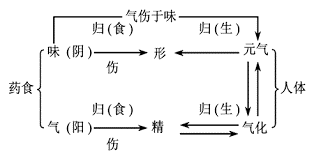
The spleen and stomach stated here do not correspond to the spleen and stomach as defined in current medical anatomy, but rather to our complete digestive system, and their scope extends far beyond anatomical relevance. The spleen and stomach are the source of generating qi and blood, as well as the foundation of our bodies’ acquired constitution. Their relevance to the human body is mostly represented in the absorption and digestion of the nutrients we consume on a daily basis for usage by the entire body. Humans consume water and grains, and the spleen and stomach are key organs in the process of receiving, transporting, and converting these substances into nutrients. As a result, they have distinct physiological traits: “the spleen prefers dryness and dislikes moisture, whereas the stomach prefers warmth and dislikes coolness.” Cold foods and drinks can easily harm our spleen and stomach. The spleen and stomach must use a lot of yang qi in the body to digest cold food. When the function of transforming and transporting is impaired, a person is more likely to lose appetite, have shapeless and watery stool, and develop a series of symptoms such as feeling cold in the abdominal area, diarrhoea, and abdominal pain after being cold.
With the spleen and stomach’s transportation and transformation capabilities impaired, and water and grain essence cannot be properly dispersed to nourish the body’s internal organs, malnutrition, a pale complexion, a physique that is easily exhausted, and limbs that feel lethargic are among symptoms that people will experience. Impaired spleen and stomach qi function would cause the body to produce dampness and phlegm. Acne on the face, sticky faeces, and tooth marks on the tongue with a thick and oily tongue coating, and other physical changes are some of the most prevalent.
Eating cold drinks not only harms our spleen and stomach, but it also affects our yang qi. Yang qi is the essential driving force behind the human body’s upkeep. Excessive consumption of low-temperature or cold foods depletes the human body’s yang qi. External pathogens have an easier time infiltrating the body without the protection of yang qi. Our lungs are the first to suffer. According to “Lingshu: The Visceral Diseases Caused by Evil Energy,” “When the body catches cold and cold drinks are consumed, the lung will be injured, as the two kinds of cold pathogens can harm both the interior and exterior of the body, up-reversing the lung energy,” explaining that when the body has been exposed to cold or has consumed too much cold, it can easily harm the lung qi, usually causes cough.
“Su Wen: Cough theory” further explains that “the skin and hair are in charge of the superficies and are in league with the lungs; when the skin and hair contract the cold, the cold pathogen will intrude the lungs. If cold food is consumed, the cold meal enters the stomach and ascends to the lung via the lung meridian, causing the lung to contract cold. As a result, the cold pathogen from the inside and outside will be combined and retained in the lung, causing coughing.” Furthermore, the human body must keep a consistent temperature. When the body is heated, the qi and blood move, and when it is cold, they condense. Excessive consumption of cold and will easily result in qi and blood stagnation in the body, and if the muscles are not nourished by qi and blood, they will cramp and tense, making the joints of the limbs more prone to pain. Cold food, cold limbs, lethargy, or diarrhoea will affect elderly people whose yang qi has already been damaged by their age, and growing children should avoid eating additional cold food to avoid decreasing the body’s yang qi, which is harmful to their growth and development.
Health is a person’s most valuable asset; don’t let your body pay a high price for a brief respite. Diseases do not develop overnight, but rather accumulate over time. You must first change your diet and lifestyles if you want to get a healthy body.
If you truly want to satisfy your cravings, you must do the following to reduce the negative effects of cold food on your body:
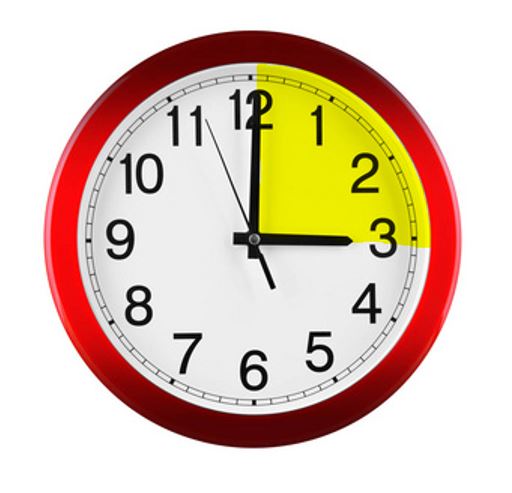
【1】Eat between 12 and 3 p.m.
Noon is the time of day when the yang energy is at its peak. When compared to other times of the day, eating cold food at noon can reduce the burden on the body.
【2】Avoid eating cold foods on an empty stomach.
The stomach prefers warm and dislikes cold. Eating cold food on an empty stomach damages stomach qi. Low-temperature food stimulates the gastrointestinal tract directly, and it is easy to cause gastrointestinal diseases in the long run.

【3】Avoid eating too much in one day.
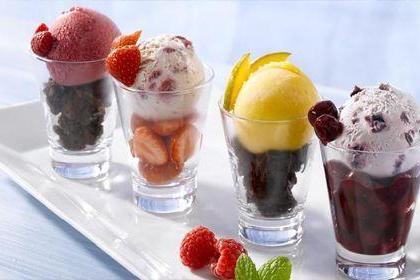
If you have already consumed cold beverages, avoid eating cold foods such as ice cream and fruit to avoid aggravating the already damaged stomach yang.

【4】Acupoints massage.
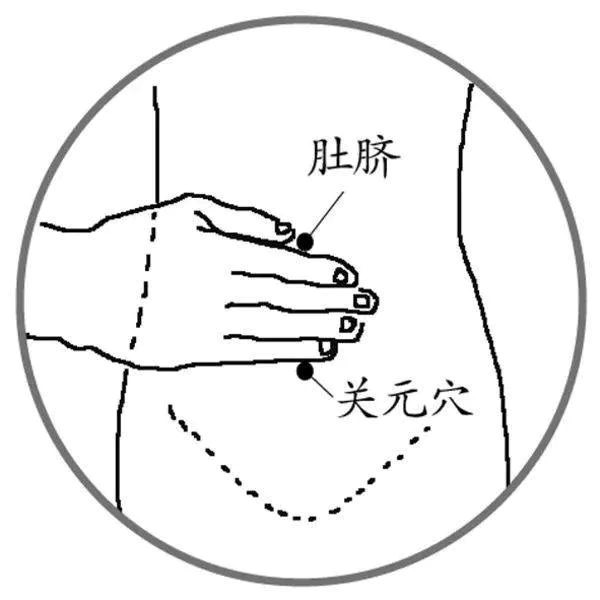
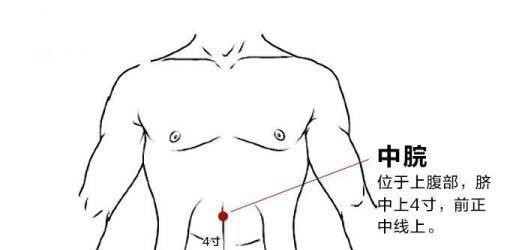
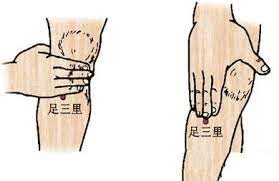
If you have stomach discomfort after eating cold food, massage the acupoints for 3-5 minutes to alleviate the symptoms.
We can massage ZuSanLi Acupoint, ZhongWan Acupoint, GuanYuan Acupoint
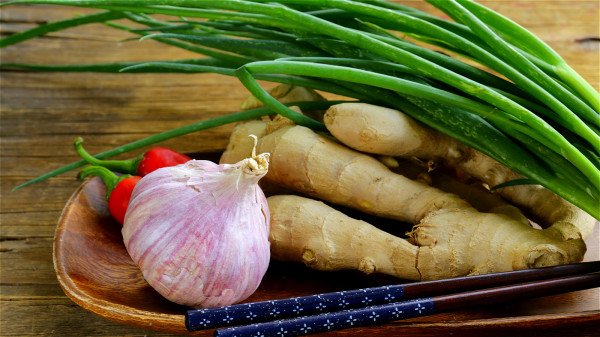
【5】You can drink more ginger tea or add warm ingredients like onion and garlic to your regular diet to remove the cold that has accumulated in your body as a result of consuming chilly food.
Learn more about TCM:https://vstcm.com/blogs/
Make Appointment:03-80111750
Visions TCM Website:https://vstcm.com/
Visions TCM FACEBOOK: https://www.facebook.com/visionstcmhc/
此文章还有以下语言版本:
 简体中文 (Chinese (Simplified))

