

In Traditional Chinese Medicine (TCM), Qi and Blood are the basic substances that maintain our daily life activities. Qi represents the Yang aspect and is the vital energy behind life activities, playing a role in blood circulation and warming the body, while Blood represents the Yin aspect, providing nourishment towards tissues throughout the body.
Qi and Blood deficiency refers to either a deficiency of Qi or Blood, or both, leading to a series of body discomfort. According to the *Huangdi Neijing*, “When Blood and Qi are out of harmony, various diseases arise,” indicating that imbalances in Qi and Blood can lead to multiple health issues. Therefore, maintaining a balance of Qi and Blood, which also reflects the Yin and Yang balance is important in TCM.
Symptoms of Qi and Blood Deficiency
Qi and Blood deficiency can present in various symptoms.
Firstly, Qi and Blood deficiency may cause fatigue, as Qi is the energy behind blood circulation. Insufficient Qi affects the circulation of Qi and Blood, failing to provide enough nutrition to the body, leading to feelings of lethargic and ease of fatigue. Sometimes, the inability of Qi and Blood to effectively supply the brain can result in symptoms such as dizziness, blurred vision, and a heavy head, which are common symptoms of Qi and Blood deficiency.

Qi provides warmth, and having sufficient Qi in the body helps maintain and stable body temperature. Therefore, insufficient Qi often feel cold and have cold limbs. Blood helps nourish the joints and muscles throughout the body; when Blood is deficient, limbs may feel sore and stiff. In the long term, Qi and Blood deficiency can also cause numbness in the limbs, as well as joint movement restriction. For women, Qi and Blood deficiency may lead to menstrual irregularities or dysmenorrhea and other gynecological issues.
Causes of Qi and Blood Deficiency
The causes of Qi and Blood deficiency can be attributed to several factors.
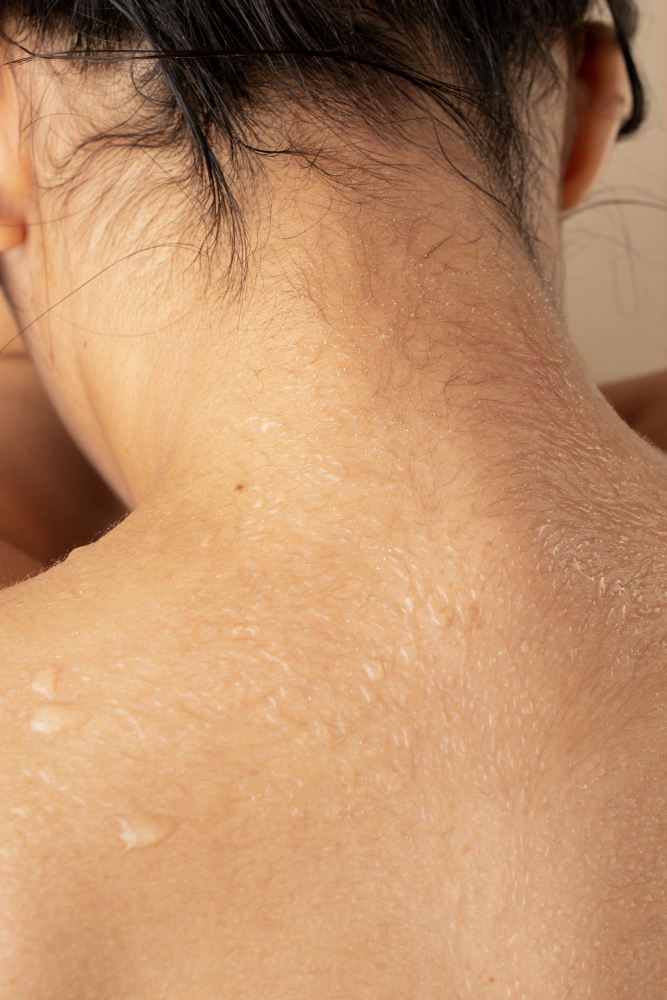
Firstly, TCM believes that sweat and blood originate from the same source. Therefore, excessive sweating can lead to the loss of Qi and Blood, which lead to Qi and Blood deficiency over time. In cases where an individual has sufficient Qi and Blood, sweating after exercise may lead to feelings of pleasure; however, those with Qi and Blood deficiency may feel weak and exhausted after sweating.

Secondly, excessive worry and overthinking consumes our Qi and Blood, and long-term can easily lead to deficiency of Qi and Blood. Furthermore, modern dietary habits, such as irregular meals, and intake of greasy food can weaken the Spleen and Stomach, which are important factors for absorbing nutrients and converting into Qi and Blood. If the Spleen and Stomach’s ability to absorb is weakened while daily life continues to consume our Qi and Blood, it will lead to a situation where Qi and Blood are not replenished fast enough and resulting in deficiency.
How to Improve Qi and Blood Deficiency ?
Improving Qi and Blood deficiency can be achieved through lifestyle adjustments. Firstly, for those who have not yet developed a habit of regular exercise, should avoid high-sweat-inducing exercises such as high-intensity running and ball sports. Instead, gentler activities are recommended, such as:

1. Walking:
A gentle form of aerobic exercise suitable for those with Qi and Blood deficiency. It promotes blood circulation and boosts the body’s Qi and Blood supply. Walking does not require excessive energy nor skills, so it does not lead to excessive sweating. It can effectively boost Qi and Blood levels and positively influence mood.
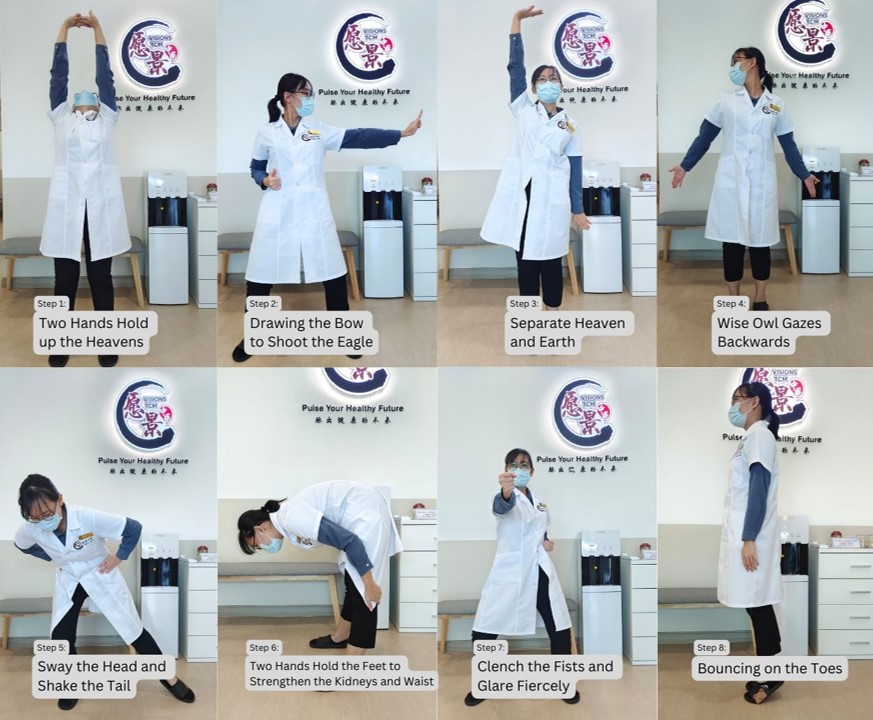
2. Ba-Duan-Jing:
A traditional TCM health exercise that regulates the flow of Qi and Blood in the body through specific breathing techniques and body postures. It can help increase Qi and Blood, enhance immunity, and provide relaxation. When practicing this exercise, maintaining a calm state of mind also help in boosting replenishing Qi and Blood.
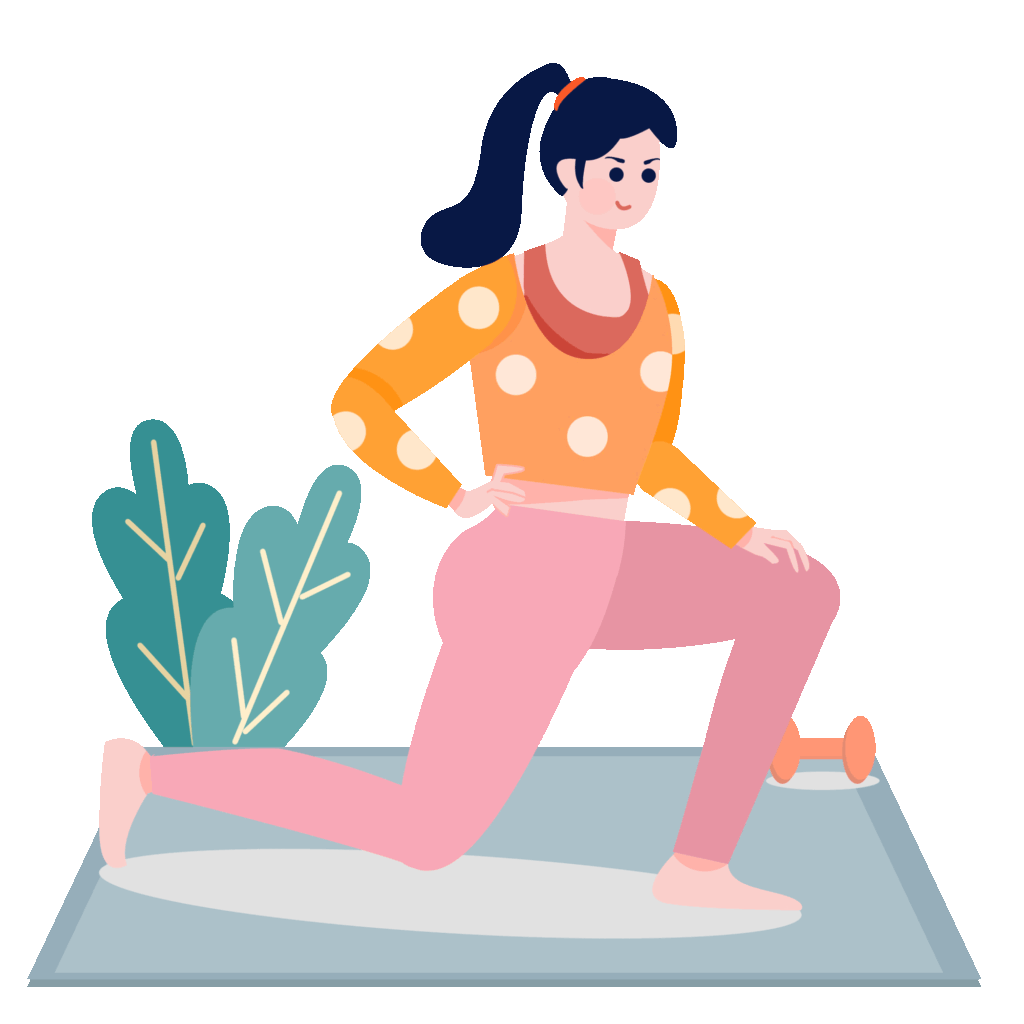
3. Yoga:
A practice that combines breathing, stretching, and relaxation movements, which helps to stretch the muscles and promote the smooth flow of Qi and Blood. Regular yoga practice can improve flexibility and strength, reducing limb soreness caused by Qi and Blood deficiency. Yoga can also help regulate mental states, reducing Qi deficiency due to overthinking and stress.
Other than exercise, sunbathing on the back in the morning for no more than 20 minutes can boost Qi and Blood circulation, but remember to avoid excessive sun exposure.

In terms of diet, it is advisable to avoid heavily flavoured and hard-to-digest foods. Spicy and greasy foods can harm the Spleen and Stomach, which could affect Qi and Blood production.
Lastly, reducing late nights and maintaining a regular schedule helps restore and replenishing Qi and Blood. Through these adjustments, can effectively improve Qi and Blood deficiency, achieve a balanced state of Qi and Blood, and maintain overall health.
Qi and Blood deficiency is a common health issue in TCM, primarily manifested as fatigue, lethargic, cold limbs, etc.
Understanding the symptoms and causes of Qi and Blood deficiency can aid in implementing effective improvement measures. Appropriate exercise can promote the circulation of Qi and Blood, enhancing the body’s Qi and Blood supply and reduce related symptoms.
By adjusting daily routine and diet, also light activities such as walking, tai chi, yoga, and qigong can effectively improve Qi and Blood deficiency, strengthen the body, and maintain overall health.
此文章还有以下语言版本:
 简体中文 (Chinese (Simplified))

