
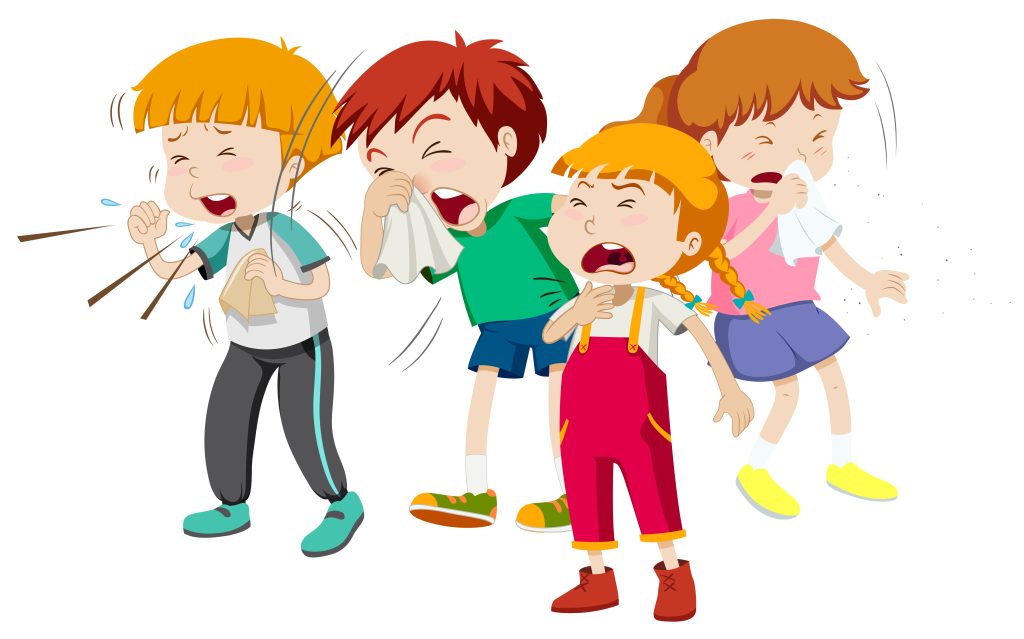
“TCM Practitioner, my children get sick every month, with a cough that improve but then relapse. What should we do?”
“TCM Practitioner, I’ve been coughing for half a year. I’ve seen many doctors and taken many courses of antibiotics. When will I get better?”
“TCM Practitioner, all my colleagues in the office are coughing, and now I’m feeling anxious! When will it be my turn?”
Does this sound familiar?
Based on recent years of clinical experience treating coughs, I would like to share some important key points and discuss them with everyone.
1. Lifestyle habits: Overexposure to cold
Malaysia is a tropical country with year-round hot weather. Under the sun, everyone sweats profusely, and then they may wear damp clothes while going about their daily activities, such as attending school, working in the office, shopping at the mall, running errands in heavy traffic, exercising at the sports field, or gardening.
When we stay indoors, in malls, or in our cars, after sweating heavily, our bodies could be exposed to a much lower air-conditioned temperature directly.

While sweating, pores open up and blood vessels dilate. When entering a colder environment, blood vessels constrict rapidly and pores close.
During this process, physiological waste or toxins may get trapped under the sweat pores. The sweat cannot evaporate properly, leading to symptoms like flushed face, headaches, nasal sensitivity, sneezing, runny nose, coughing, dizziness, etc.
Advice: When sweating heavily, avoid direct exposure to fans or air conditioners, and do not take a shower immediately to avoid getting cold.
2. Eating habits: Cold fruits or cold drinks
From a young age, we are accustomed to taking fruits out of the fridge or drinking cold beverages.
Sometimes, we leave fruits on the table for about half an hour before eating. Typically, fruits should be left out for at least 2 hours to ensure they have lost the coldness from the fridge. Fruits are naturally cool foods because they are exposed to the sun and rain. However, when placed in the fridge, their cooling effect is doubled. When consumed, these cold fruits or drinks cause the spleen and stomach to become chilled. This leads to insufficient “Yang” energy in the spleen to aid in digestion, causing water retention in the stomach. Over time, this transforms into thick phlegm. This is what Traditional Chinese Medicine refers to as “the spleen being the source of phlegm, and the lungs being the repository of phlegm.”
Advice: During a cough, avoid eating cold fruits or cold beverages.
3. Eating habits: Fatty and greasy foods
In general, the food at restaurants tends to be oily and strongly flavored.
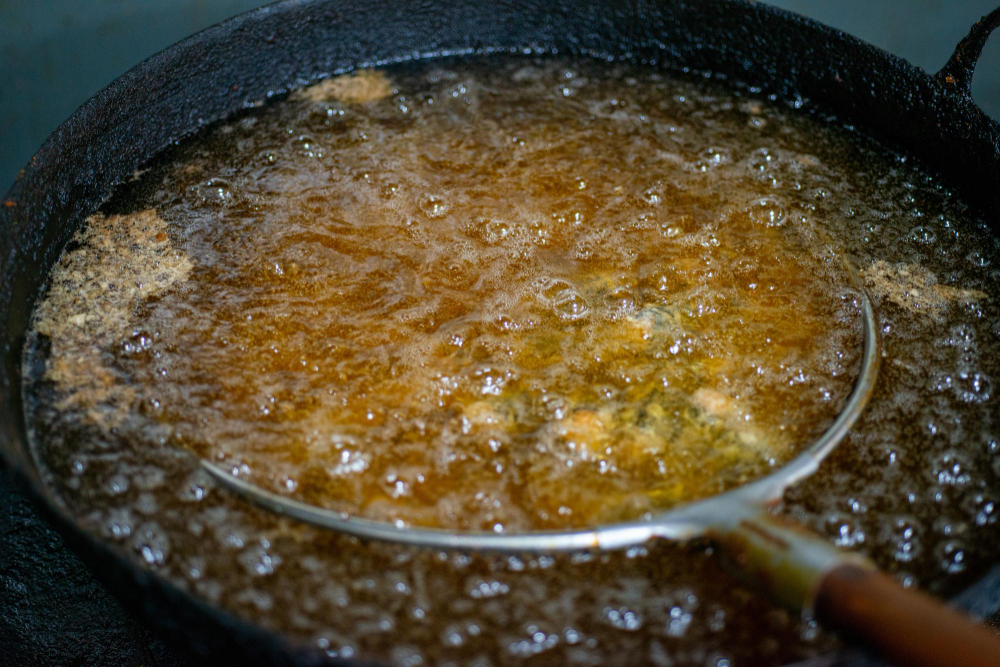
If we are consuming too many of these greasy and rich foods, it causes the throat itchiness and produces phlegm.
Advice: During a cough, avoid fatty and greasy foods.
4. Drinking unboiled tap water
Most homes now have water filters, so people are used to drink filtered water.
However, many neglect the issue of whether the water has been boiled. Due to busy lifestyles, most people prefer room temperature or cold water rather than boiling hot filtered water. Clinically, it has been observed that if a cough patient drinks room-temperature or cold water over a long period, their cough tends to be recurrent and persistent.
Advice: Get into the habit of drinking water that has been boiled. 【17】
5. Staying indoors
For those who prefer staying at home, long hours indoors can result in a lack of sunlight exposure and reduced sweating. This leads to the accumulation of dampness and heat in the body, particularly in the lungs. When water vapor accumulates in the lungs, which are the body’s repository of phlegm, it naturally leads to the production of phlegm and results in a lingering cough.

Advice: Try to get outside for sunlight and engage in physical activities to improve your body constitution and strengthen your immune system.
6. Constipation
For people with chronic constipation, the slow movement of the digestive system leads to a delayed food breakdown process. Food accumulates in the stomach and intestines, causing bloating and abdominal pain. In severe cases, the gas may flow upward, resulting in frequent coughing.
Advice: Improve constipation issues to help the digestive system function smoothly.
此文章还有以下语言版本:
 简体中文 (Chinese (Simplified))
 Melayu (Malay)
