
Click “here” to read Part 1, let’s move on to the next part~
Perspective of Traditional Chinese Medicine for “Frozen Shoulder”

According to Traditional Chinese Medicine, frozen shoulder is classified as Bi syndrome. Frozen shoulder frequently presents with symptoms including shoulder discomfort that is dull and heavy in nature, difficulties with raising the arm, and limitations in motion at the shoulder joint. Cold and wind exposure, habitual lying on one side, and excessive physical exertion are all factors that, based on Chinese medicine, can cause local stagnation of Qi and blood circulation in the shoulder region. This can lead to the development of adhesions in the shoulder over time, which can restrict shoulder mobility and impair joint mobility.
Self-evaluation criteria for joint health
(1) Joints that are in good health should be free of discomfort.

(2) Joints must be stable. A weakness or difficulty in using a joint is indicative of a potential issue.

(3) Good mobility implies the absence of stiffness in all joints and the ability to perform all required movements.

These three criteria cannot be arranged in a different order. 50% of overall joint function is pain-free, 30%–40% is stability, and 10% is excellent mobility. If any of these conditions fail to satisfy the established criteria, it is recommended to rest for a duration of 2-3 days in order to observe any potential improvement. It becomes crucial to seek professional assistance if no progress is observed.
Habits that worsen the deterioration of joints
1. Insufficient moderate exercise

Moderate exercise can strengthen muscles and joints, reduce the likelihood of joints injuries and deterioration. Infrequent use of joints may result in premature degeneration. Assessing one’s personal physical condition and pain levels Engaging in physical activity while preventing a deterioration of joint discomfort or pain should be the guiding principle. It is advisable to do mild intensity exercises that do not cause joint damage, such as swimming, cycling, or Tai Chi. In addition, joint cartilage and ligaments are susceptible to injury when exercises are initiated without a proper warm-up, since the body is not in an active state and the joints are not sufficiently lubricated and stretched.
2. Neglecting Joint Injuries

It is especially wrong for individuals who are susceptible to sports injuries to assume that the absence of discomfort indicates the absence of a problem. Injuries to the joints may accelerate degeneration. Immediate and appropriate treatment is critical following a joint injury; for instance, ice should be applied to stop bleeding and reduce swelling. Then, it is essential to ensure adequate rest and, if required, employ protective equipment to safeguard the joints. It is recommended to seek professional assistance and treatment in order to minimize the potential for serious consequences and prevent rheumatic pain that may occur during rainy days or periods when temperature drops.
Suggestions for Preventing Joint Injury

A person-centered approach is emphasized in Traditional Chinese Medicine, which places a priority on prevention, anticipating risks, and the management of potential threats. In consideration of the aforementioned principles and current TCM viewpoints, the subsequent four suggestions are presented as suggestions for joint protection:
1. Place an Emphasis on Lifestyle Maintenance.
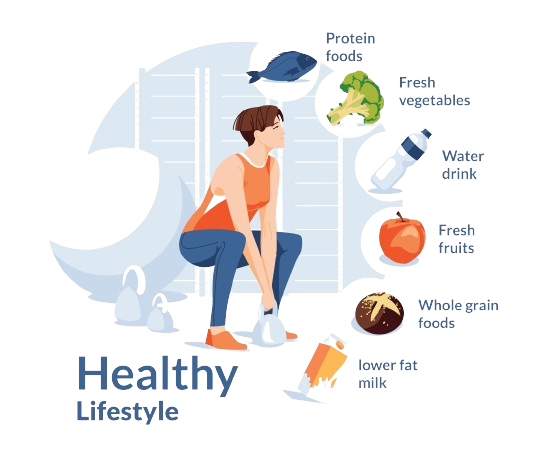
The primary emphasis is on modifying unhealthy daily habits, with specific focus given to promptly modifying activities or practices that are recognized to be detrimental to one’s health; prioritizing prevention, and avoiding potential harm are all key considerations.
2. Maintain sufficient warmth and prevent exposure to cold.
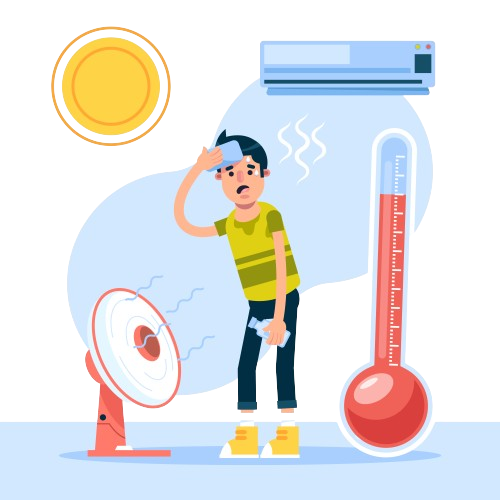
It is crucial to ensure that joints susceptible to fatigue remain warm during routine activities. Warmth applied to joints following excessive use stimulates local blood and Qi circulation, thereby assisting in the relief of muscle and joint soreness. Additionally, avoid direct joint exposure to air conditioning or ventilation on hot days. It is extremely important to wear appropriate clothing during colder weather in order to shield joints from direct exposure to cold air.
3. Sustain a Healthy Weight and Dietary Patterns.

Weight management and dietary modifications can alleviate strain on the joints. To prevent the worsening of joint injuries, it is also vital to maintain good posture and refrain from lifting heavy objects for extended periods of time.
4. Employ a moderation approach to exercise.

Engaging in any form of exercise has a risk of joint injury. Engaging in suitable and moderate physical activity to safeguard and enhance joint mobility while reducing pain. Consistently engaging in mild-intensity exercises is the most effective approach to protecting joints.
Conclusion

The duration of frozen shoulder varies among individuals and can last from several months to several years. It is feasible to achieve spontaneous recovery within a time frame of one and a half to two years. Nevertheless, in the absence of proactive treatment, persistent shoulder joint pain and restricted mobility could occur. For better results, it is highly advised to seek medical attention promptly and engage in collaborative treatment and rehabilitation activities.
此文章还有以下语言版本:
 简体中文 (Chinese (Simplified))
  Melayu (Malay)
