
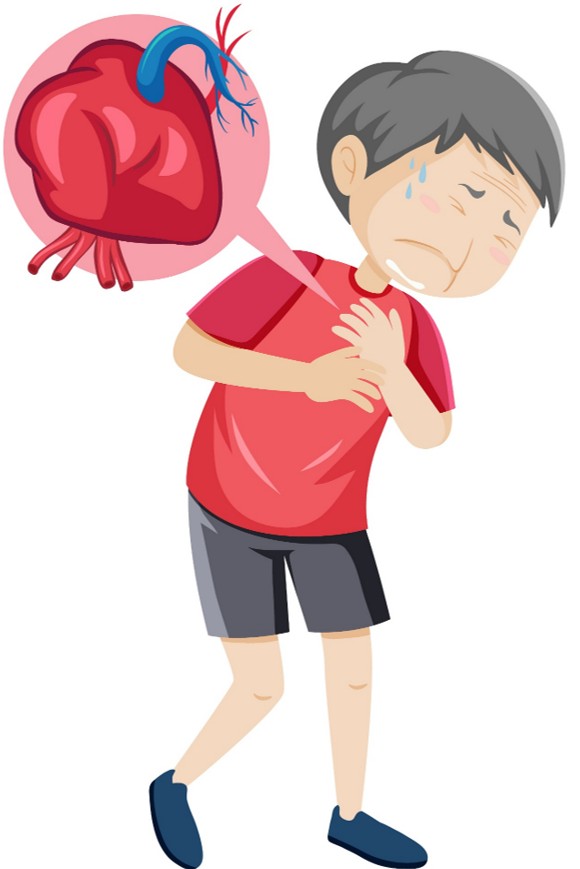
In recent years, with the increasing prevalence of cardiovascular and cerebrovascular diseases, work pressure has increased and pace of life has accelerated, the incidence of sudden death has also increased. So, people need to start to examine whether their lifestyle gives opportunities for myocardial infarction.
However, before myocardial infarction occurs, our bodies will send some warning signals for us.
What is sudden death?
Sudden death, also known as “sudden and unexpected death”, is a very serious emergency case. Sudden death can be caused by internal factors, such as myocardial infarction, or external factors, such as electric shock, drowning, trauma and others.
What diseases may cause sudden death?
According to the cause of sudden death can be divided into two categories which are sudden cardiac death and non-cardiac sudden death. In worldwide, sudden cardiac death is more than 80% while non-cardiac sudden death is about 20%. Generally, sudden death belongs to sudden cardiac death.
Heart diseases that cause sudden cardiac death can also be divided into two categories which are coronary heart disease and other heart diseases. Among coronary heart diseases, acute myocardial infarction is the most common; other heart diseases include myocarditis and cardiomyopathy.
According to statistics, age group around 30-53 years old is the most prone to get sudden cardiac death.
Physiologically, this community is high-risk to get sudden death due to the high-load of work, high life pressure, work overtime, irregular diet and bad smoking and drinking habits. Therefore, it is easily to have sudden death caused by coronary heart disease, pulmonary embolism, aortic dissection, cardiomyopathy, myocarditis, and acute hemorrhagic necrotizing pancreatitis.
What are the signs of sudden death?
Sudden death usually happens unexpectedly, and more than half of people have almost no specific signs before it happens. But sudden death is not completely without traces. Some people will experience palpitations, chest pain, shortness of breath, dizziness, fatigue and other symptoms before sudden death happens. People with high risk factors for sudden death need to be highly alert if they have the following signs, and it is recommended to seek for a doctor.

1. Chest pain:
~ Pain or discomfort at chest or other related parts (such as throat, neck, back, left shoulder and left upper limb, left upper abdomen); may indicate acute myocardial disorder, especially in the first attack or aggravated attack of angina pectoris.
~ Characteristic clinical manifestations:
*Acute onset
*Characteristic pain and discomfort in related parts
*May be accompanied by pale complexion, cyanosis of lips, sweating, nausea and vomiting and frequent vomiting

2. Dyspnea:
~ In severe cases, it may cause irritability and shortness of breath.
3. Palpitations:
~ Feeling of pounding in chest, sudden acceleration or pause of the heartbeat and often accompanied by a faster, slower or irregular pulse.
4. Arrhythmias:
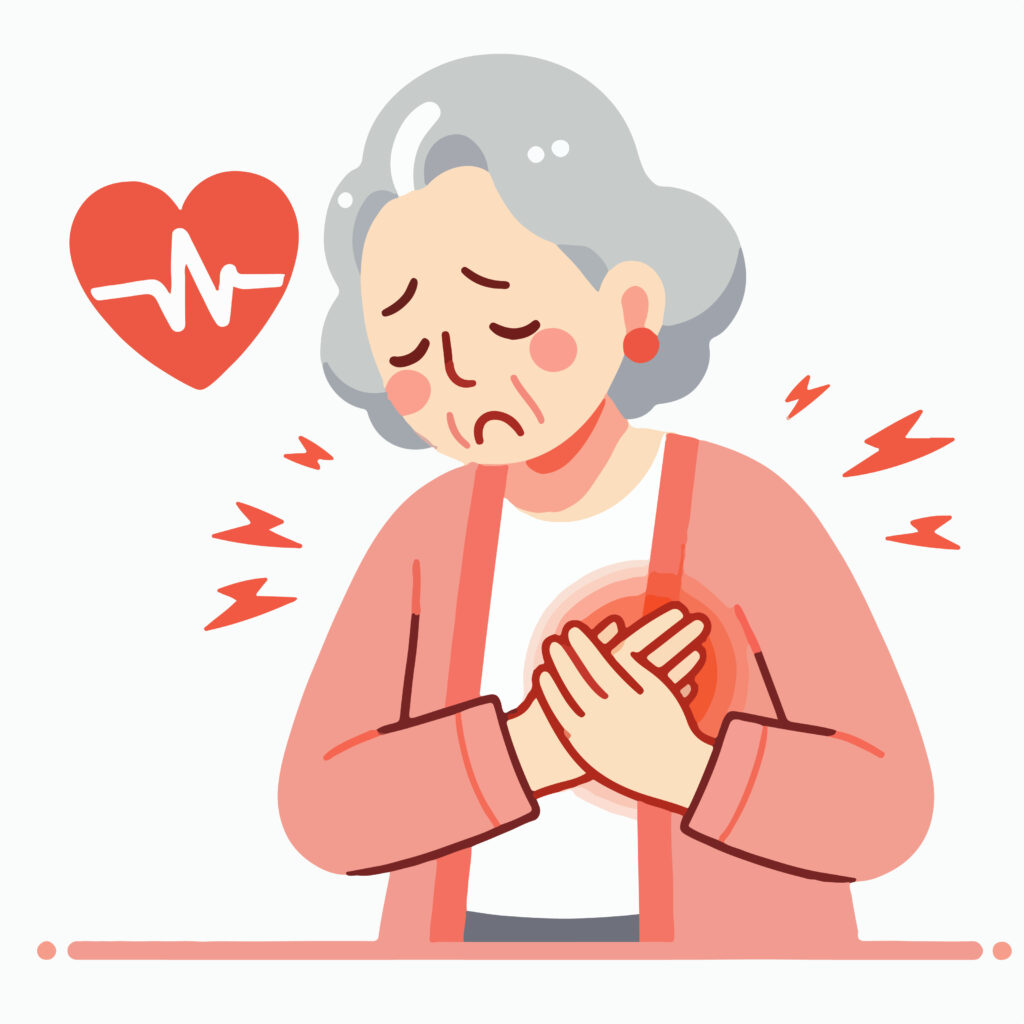
~ Most people may encounter certain arrhythmias in their lives, such as common “premature beats”, but arrhythmias for sudden cardiac death can be divided into two categories: fast and slow. For the fast arrhythmias is mainly refers to ventricular tachycardia, and the slow arrhythmias includes various severe arrests and conduction blocks.
5. Syncope:
~ A state of temporary loss of consciousness due to insufficient of blood supply to the brain. Syncope can sometimes last for a few seconds and then recover on its own, but it will cause sudden death if it does not recover during a long time.

6. Persistent unexplained fatigue:
~ If you experience unexplained fatigue and weakness for several days or weeks, or accompanied with chest tightness, shortness of breath and lower limb oedema, you should be alert to the possibility of sudden death.
7. Sweating heavily:
~ Before sudden cardiac death, the body often sweats heavily, which is one of the typical manifestations of myocardial infarction. If you have no history of heart disease but suddenly experience symptoms such as fatigue, sweating, discomfort in the precordial area, or even chest and back pain, you should be alert.

8. Insomnia and awakening:
~ Long-term lack of sleep not only affects the quality of life, but also increases the risk of sudden coronary death. If you are suddenly awakened during sleep or suffer from obstructive sleep apnea syndrome, this may be a signal of increased risk of sudden death at night.
9. Other manifestations:
~ Patients with poorly controlled blood pressure who suddenly experience severe headaches, even accompanied by vomiting, should be highly suspected of having a cerebrovascular disease, which may cause sudden death; sudden coma may be caused by a variety of diseases, some of which can also cause sudden death.
In the next article, we will talk about which groups of people are prone to get sudden death and how to prevent it.
Stay tuned! See you in the next article!
此文章还有以下语言版本:
 简体中文 (Chinese (Simplified))
  Melayu (Malay)
