
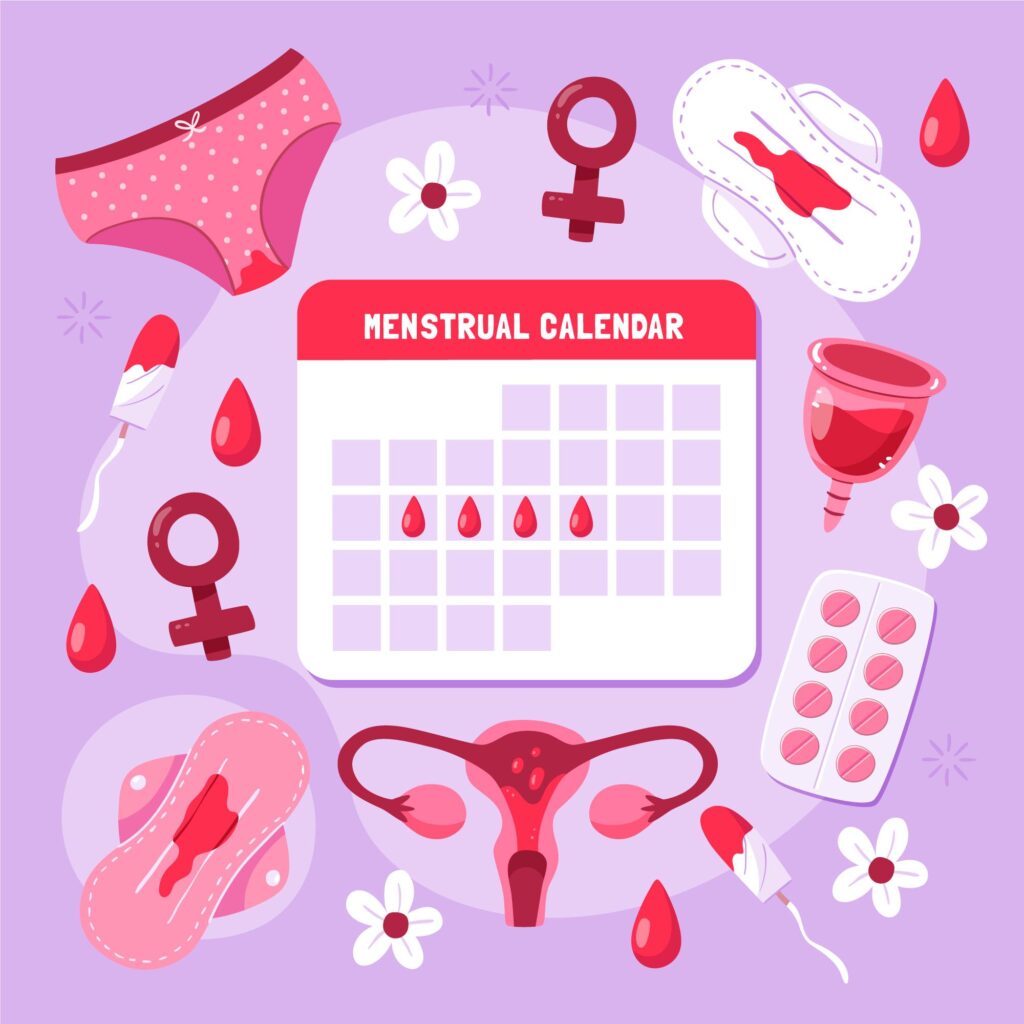
Menstruation, also known as period, is a path that every girl will experience, when you are lucky, it will be painless and smiling through the whole period. But if you are unlucky, the period cramp can be severe and make you feel like flipping tables.
Period cramp, or Dysmenorrhea in medical terms, refers to pain during menstruation and normally located in the lower abdomen. The pain will fade after 1-3 days, sometimes it comes with lower back pain, heat sensation, heaviness in pelvis area, and sometimes excessive pain might cause dizziness and affect normal daily activities.
But why do some people experience dysmenorrhea while others don’t? Is it abnormal for those who have period cramps?
Most of the time, menstruation brings discomfort to everyone, such as lower abdominal cramps, or lower back pain etc. This is because the body produces hormones to stimulate uterus contraction to expel the lining, and the contraction might cause the cramp feeling. Sometimes if there is excess hormone, the contractions become more exaggerated and result in unbearable pain.
As individual tolerance and physical condition are different, we can roughly classify the level of discomfort as mild, moderate, and severe pain. Mild pain as mild lower abdominal discomfort, not affecting daily life, sometimes you won’t even notice the pain was there; moderate pain is noticeable but it won’t affect much on your daily activities, however more rest needed; severe pain is discomfort is so strong until inability to stand, and even disruption of daily life. Once the pain scale is at this level, it will be better for medical attention.
Dysmenorrhea can be divided into two types:
Primary. Primary dysmenorrhea typically starts with the very first period and involves pain localised to the lower abdomen, which may fade as you grow older.
Secondary. Secondary dysmenorrhea, on the other hand, refers to the development of painful menstruation later in life in individuals who didn’t have it previously and sometimes radiating to the side of the abdomen. This condition mostly results from organic lesions such as endometriosis, adenomyosis, pelvic inflammatory disease, and so on.
From the perspective of traditional Chinese medicine (TCM), dysmenorrhea can also be classified into deficiency syndrome and excess.
If the pain is intense before or during the menstruation and worsens with pressure, it’s often to be excess; if the pain occurs after day 3 of menstruation or improves with pressure , it’s often to be deficiency. However, the pathology of dysmenorrhea is complex and generally not caused by a single factor; it often involves a mixture of deficiency and excess, which might be mixed. Therefore, physicians need to better understand the body condition and other symptoms.
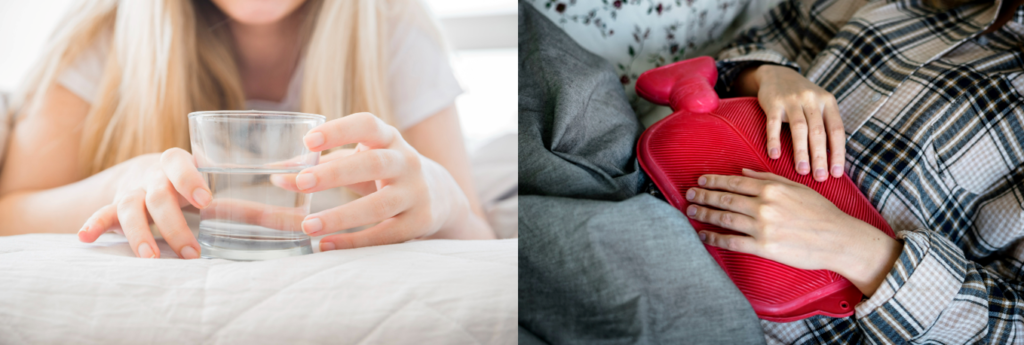
Now, are hot water and hot pads effective for dysmenorrhea?
Yes, they are.
Generally, most dysmenorrhea is caused by excessive muscle contraction or cold and qi stagnation. Therefore, drinking warm water or using a hot pad can help to relax muscles and promote blood circulation to relieve dysmenorrhea.
In addition to hot compresses, there are several acupoints that can help reduce pain.
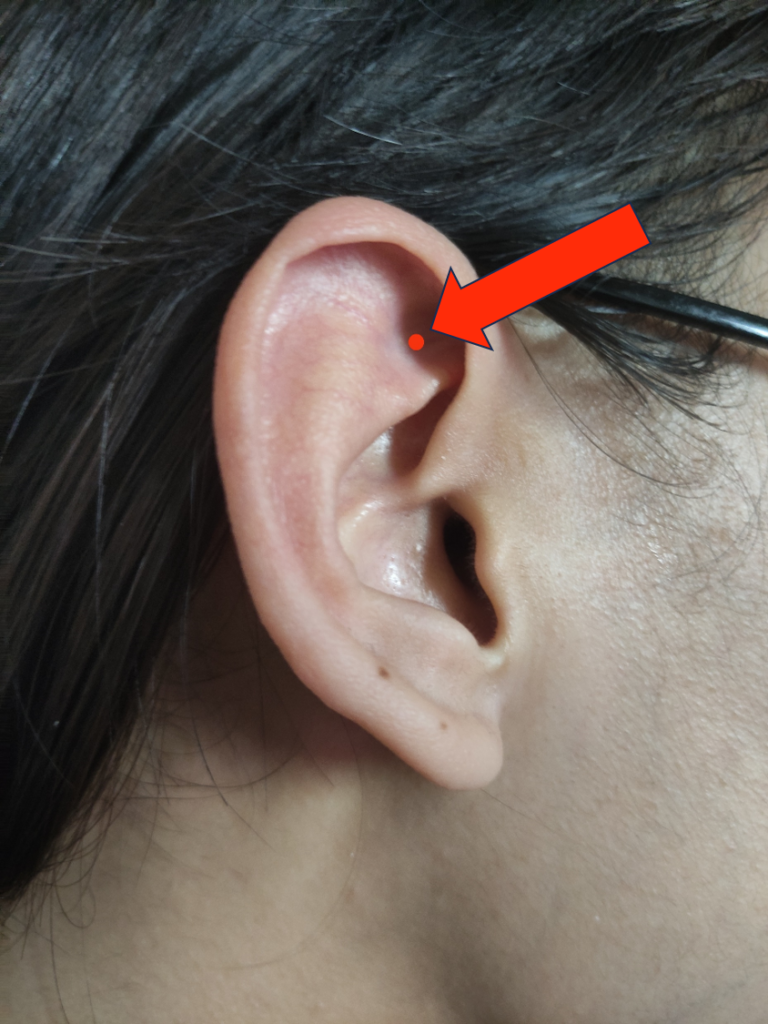
One is the uterus point on the ear, located at the lower 1/3 of the anterior triangular fossa within the ear.
Another is the Hegu point, located between the first and second metacarpal bones on the back of the hand, at the midpoint of the radial side of the second metacarpal bone.
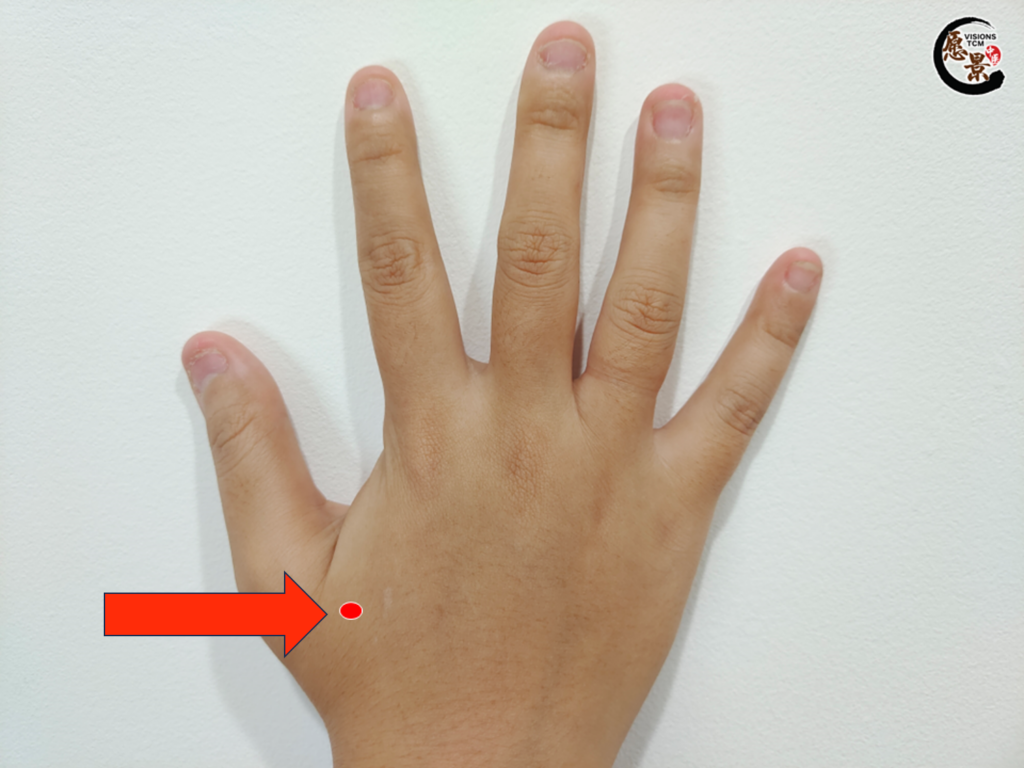
These two acupoints can help relieve pain during dysmenorrhea.
Although dysmenorrhea is a common experience for most women, it shouldn’t be overlooked! If dysmenorrhea becomes increasingly severe, occurs suddenly around perimenopause, or is accompanied by symptoms like pelvic heaviness, heat sensations, changes in menstrual flow and more, medical attention is necessary.
TCM offers effective treatment for dysmenorrhea, especially for primary dysmenorrhea, where TCM medication and treatment can boost the process of recovery. However, secondary dysmenorrhea often involves other gynaecological diseases, resulting in a more complicated situation. Nevertheless, with proper diagnosis and treatment based on syndrome differentiation, still able to help relieve symptoms and prevent from getting worse.
此文章还有以下语言版本:
 简体中文 (Chinese (Simplified))

