

1st patient asked: ‘TCM Practitioner, our digestive systems are weak, should we intake probiotic supplements every day?’
2nd patient asked: ‘TCM Practitioner, I have a constipation issue, by drinking yogurt is it enabling the probiotic microorganisms to treat my problem?’
3rd patient asked: ‘TCM Practitioner, shall we become addicted to probiotic supplements? I do not wish to depend on it consistently.’
Due to the above questions, we are here to expose the myth of consuming probiotic products.
First of all, we are going to introduce what are the probiotics?
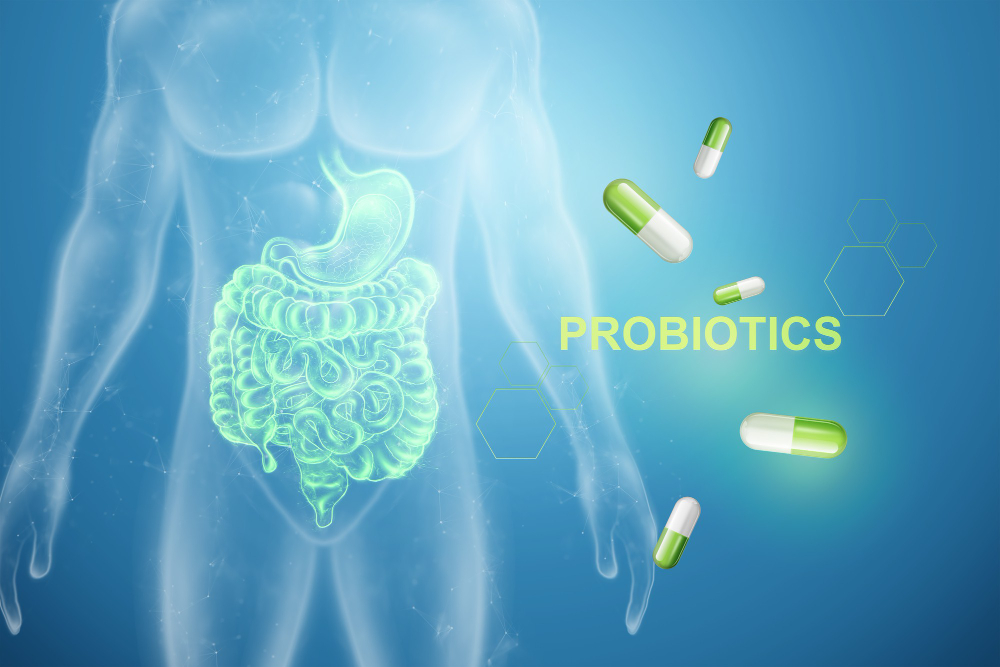
Probiotics are live microorganisms that can have beneficial effects inside the intestines. World Health Organization (WHO) given a definition for live microorganisms which when administered in adequate amounts confer a health benefit on the host.
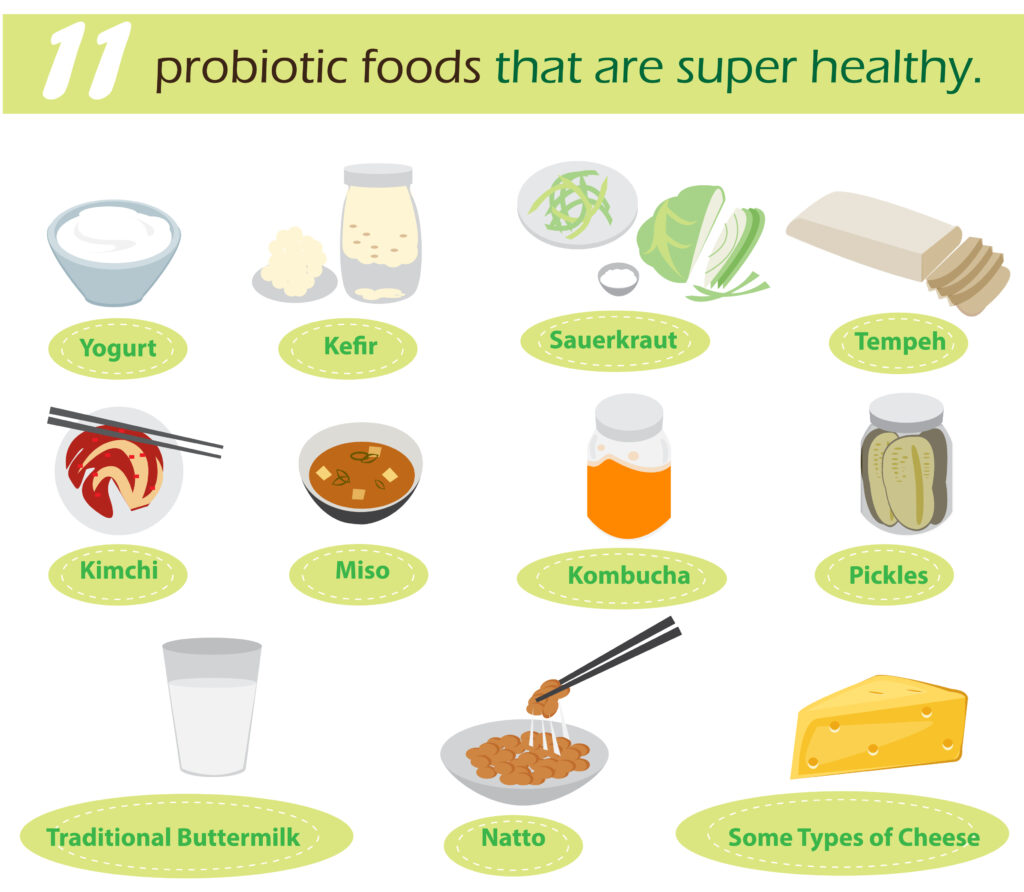
Q: What are the probiotic foods?
- Many probiotics food are oral supplements which contained the microorganisms designed to be ingested into the gastrointestinal tract. Some other fermented food like yogurt and kefir are considered as probiotics food as they contain live microorganisms as well. Many other fermented foods have been heated up in high temperature, so the microorganisms might have been killed.

Q: Are both fermented food and probiotic food same?
- Fermented foods are defined as foods or beverages produced through controlled microbial growth, and the conversion of food components through enzymatic action.
The process is taken place by microorganisms (bacteria, yeast, mould fungi etc.) by breaking down the sugar and producing acid, gas or alcohol in returned. Through the process of fermentation, the tastes and characteristics of the foods changed, and partial nutrition changed or strengthened.
| Yogurt:
Yogurt is a food produced by bacterial fermentation of milk. It is produced using a culture of Lactobacillus acidophilus and Bifidobacterium.
|
 |
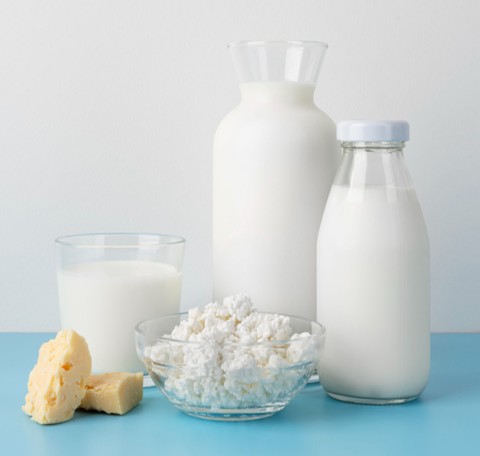
| Kefir:
Kefir is a fermented milk drink. Contains various kinds of probiotic bacteria and yeast, sour taste similar to yogurt.
|
 |
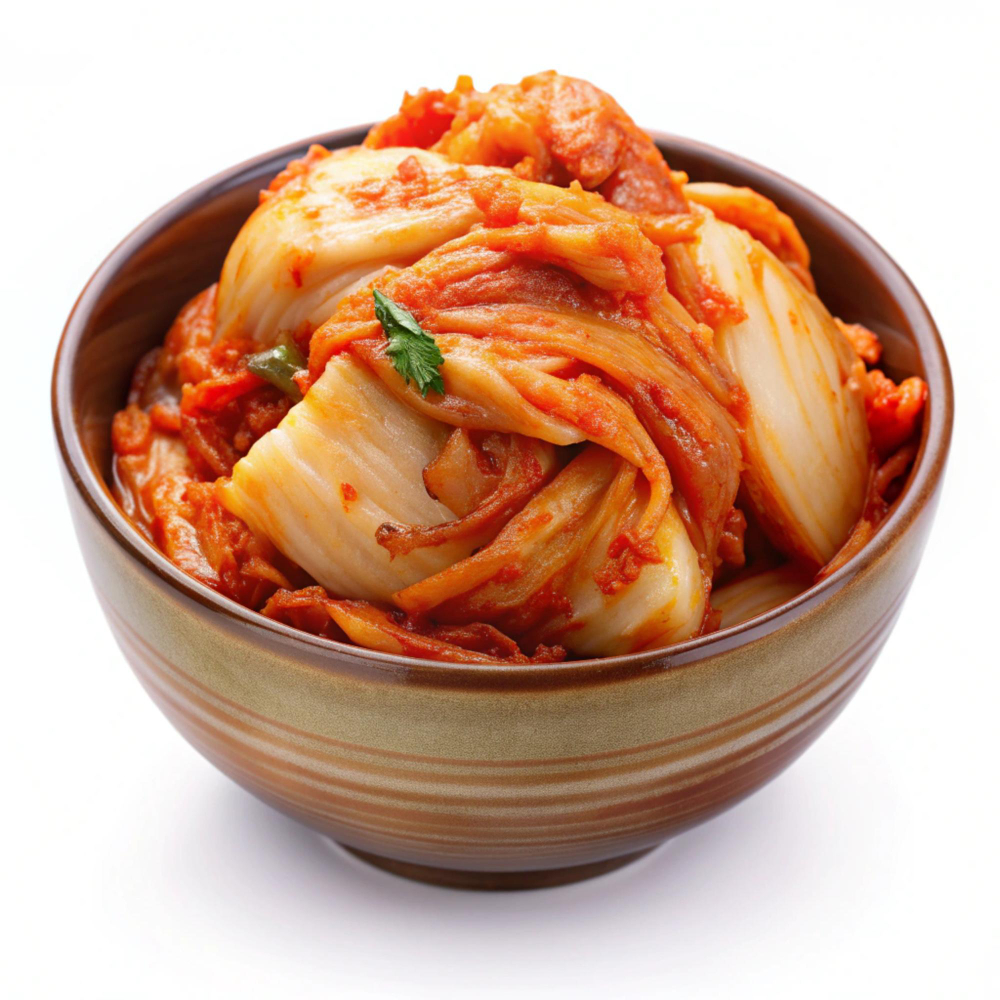
| Kimchi:
Kimchi is a traditional Korean side dish consisting of salted and fermented vegetables, most often napa cabbage or cucumber. |
 |
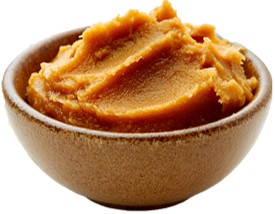
| Miso:
Miso is a traditional Japanese seasoning. It is a thick paste produced by fermenting soybeans. |
 |
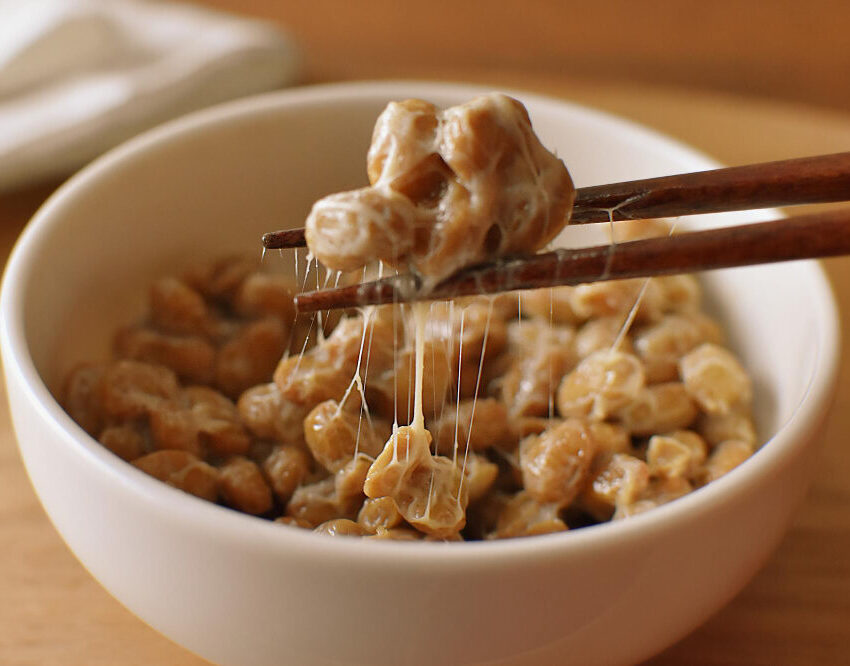
| Nattō:
Nattō is a traditional Japanese food made from whole soybeans that have been fermented with bacteria of Bacillus subtilis natto. |
 |
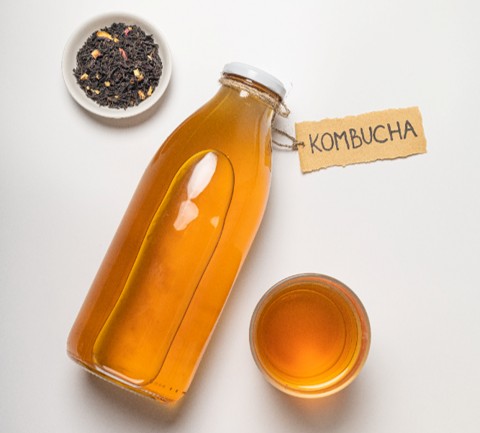
| Kombucha:
Kombucha is produced by symbiotic fermentation of sugared ta using a symbiotic culture of bacteria and yeast. |
 |
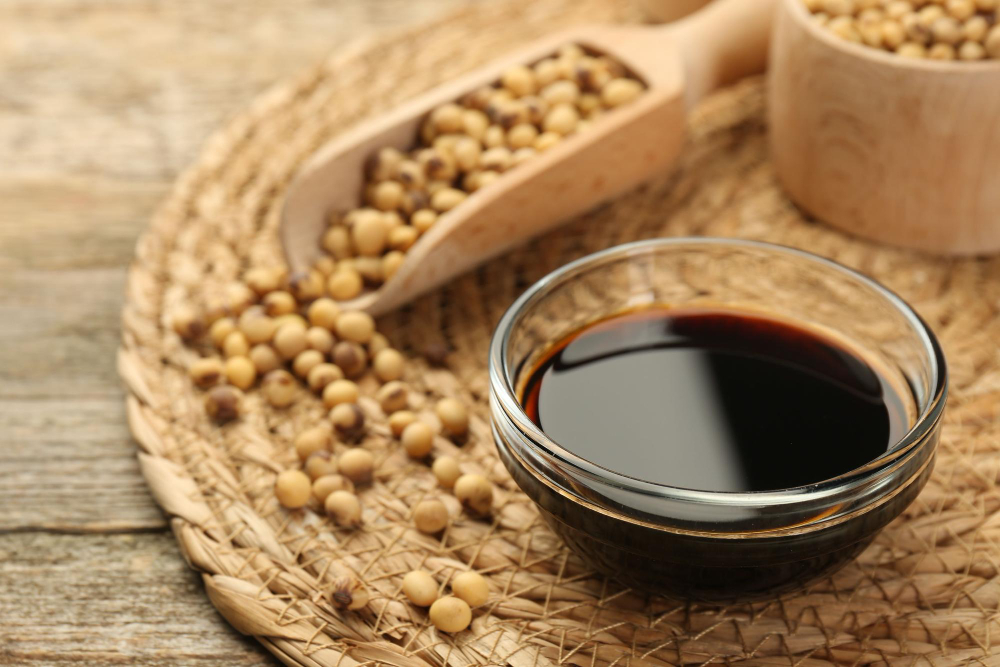
| Soy sauce: Soy sauce is a liquid condiment made from a fermented paste of soybeans, roasted grain, brine, and Aspergillus oryzae.
|
 |
| Sourdough: The bread made by the dough to ferment using naturally occurring lactobacillaceae and yeast before baking. | 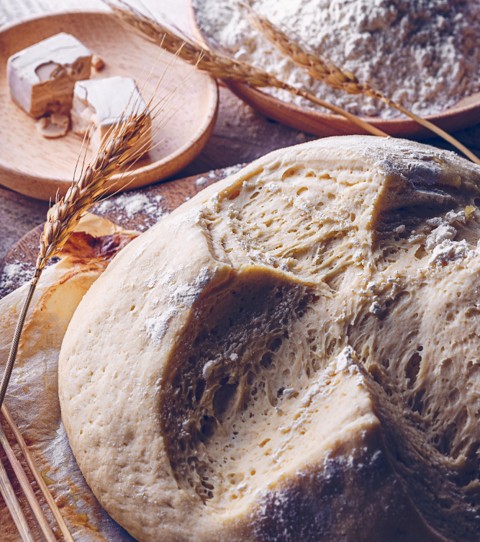 |
Any probiotic foods are fermented foods; however, fermented foods are not fully containing probiotic bacteria. Fermentation is a food processing, nevertheless probiotic foods contain probiotic bacteria which are beneficial microbes to help controlling the potentially harmful types. Traditional Chinese Medicines emphasize “balancing” in treating the health. If over dosage of probiotic consumed will lead to imbalance of microorganism, causing other symptoms like belching stomach, diarrhea etc.
Q: Can we consume probiotic products daily?
- In normal circumstances, probiotic are generally considered safe for health people to take. But in long run, whether the probiotic products are suitable for daily consumption, it still depends on the health status of people, the category of probiotic products and dosage needed. For patient who have bowel illness or immune system issue, it is highly recommended for them to follow the instructions of the product or refer to relative TCM practitioners for further diagnosis.
Q: What are the health benefits of probiotics?
Benefit 1: Improving digestion process, enhancing bowel movement.
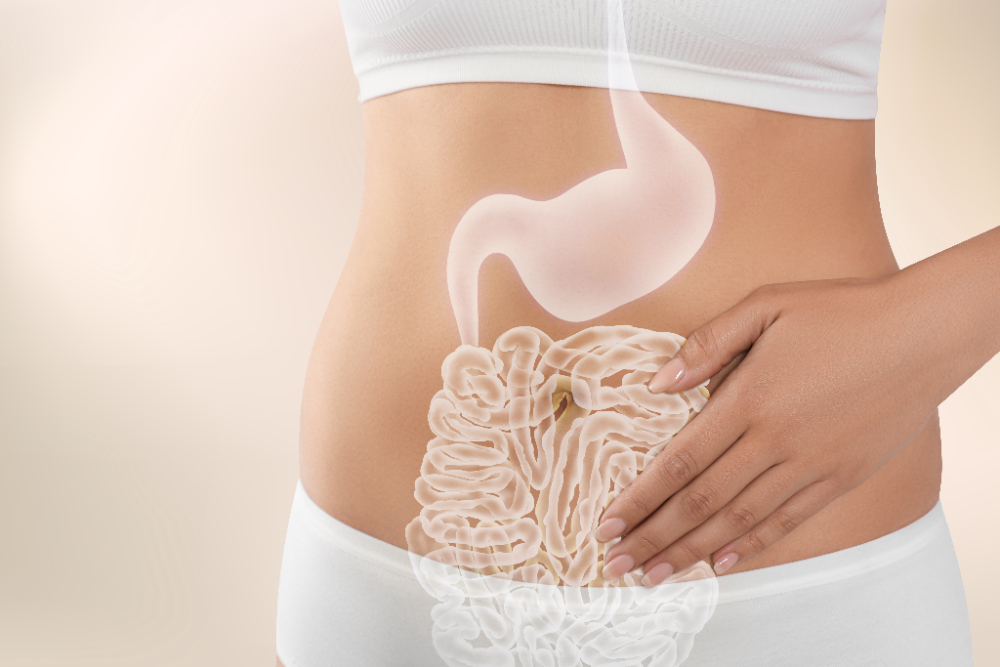
Probiotics have performed metabolism processes in gastrointestinal tracts. Hence, probiotics might be helpful for chronic constipation in elderly people.
Benefit 2: Improving the immune allergy response and reducing eczema severity.

World Allergy Organization (WAO) has recommended pregnant women or breast feeding mother to consume probiotic products in year of 2015 to help reducing the allergy or eczema issues of infants.
Benefit 3: Promoting immune systems, prevention of flu.

Probiotic products contain substantial amount of lactic acid bacteria. When lactic acid bacteria mix with yeast, they become a protein rich with extensive vitamin B, good for children, pregnancy mother, women, elderly citizen and people with low immune system.
Benefit 4: Improving children intestinal health and allergy bowel system.

Infants or children are in growing stage, and gastrointestinal tracts are still in development progress, hence their absorptions of food are very sensitive and easily cause allergy response or intestinal problems such as constipation or skin inflammation.
Benefit 5: Protection for female private parts, mitigate bad smell.

Various bacteria exist in the female private parts causing pruritic, mucus secretion, bad smell and inflammation infections. Taking probiotics could be useful to treat or prevent this highly uncomfortable condition.
Benefit 6: Weight management and help maintaining the body figure.

Some researches indicate that probiotics might promote weight loss by controlling the absorption of calorie, especially when combined with regular exercise.
Q: Any risk for us to take probiotic products?
- Although generally considered safe for most people, there are also some risks to keep in mind when taking probiotics. Premature infants, people with severe illnesses, and those with compromised immune systems may also be at risk of side effects.
- Digestive discomfort. Bloating stomach, diarrhea or constipation are the most frequent side effects, but are typically temporary and usually at the initial stage of taking probiotic.
- Immune response. In rare cases, probiotics might increase the risk of infection in certain individuals, such as people with impaired immune systems or severe patients like cancer patients or organ donor.
- Microbial imbalance. Unbalancing of bacteria categories leads to lack of beneficial bacteria, may recommend specific probiotic supplements to restore the proper balance.
- Allergies. Many may have allergic reactions when taking probiotics. In some cases, allergic reactions may due to the result of added ingredients like cow’s milk. Example of allergic reactions such as skin rashes, shortness of breath, when these symptoms appear, they need to seek treatment as soon as possible.
- Dependent on probiotics. Due to the probiotic consumption had been for a time frame period, with the consumption of different combination categories of probiotics, when it stops hence leads to the imbalance of intestinal bacteria.
- Lactose intolerance. Some of us who are lactose intolerance patients tend to have reactions after taking probiotics products such as yogurt or milk serum. The reactions causing symptoms such as indigestion, bloated stomach and stomach ache etc.
Q: How to avoid risk of probiotic?

- Adequate usage.
- Appropriate probiotic products.
- Increase dosage of probiotic gradually.
- Choose good probiotic products selection.
Q: From perspective of Traditional Chinese Medicine (TCM), how do we see the functional of probiotic?
- TCM see the gastrointestinal an important organ to digest and absorb nutrition from the food, provide energy and smooth blood flow circulation as a return. Probiotic functionality has regarded as additional alternative to aid in the functioning of digestive systems.
- Improve the function of gastrointestinal: As a result it aids to improve bowel movement and nutrition absorption.
- Remove dampness and strengthen the organ of stomach and spleen: Since the probiotic regulate the various categories of bacteria, help to eliminate dampness inside the body, hence strengthen the organ of stomach and spleen.
- Boost up the immune system: From time to time, we maintain a good stamina, boosting the immune system functionality, able to protect our body by the attack from microorganism such as bacteria or virus.
- Balancing ‘Yin’ and ‘Yang’: By regulate the categories of probiotic bacteria; we are able to balance ‘Yin’ and ‘Yang’ for the digestive system.

此文章还有以下语言版本:
 简体中文 (Chinese (Simplified))
  Melayu (Malay)
