

Gout is a common and complex type of arthritis, characterized by the deposition of uric acid crystals in the joints due to elevated levels of uric acid in the blood. It often manifests as sudden, intense joint pain that typically occurs at night. The affected joint becomes painful, swollen, red, and inflamed. The pain gradually subsides and can last for several days to weeks. Gout can affect individuals of all ages, but it is more prevalent in men, with a male-to-female ratio of approximately 20:1.
Contraindications for gout
1) Foods high in purines to be avoided include:
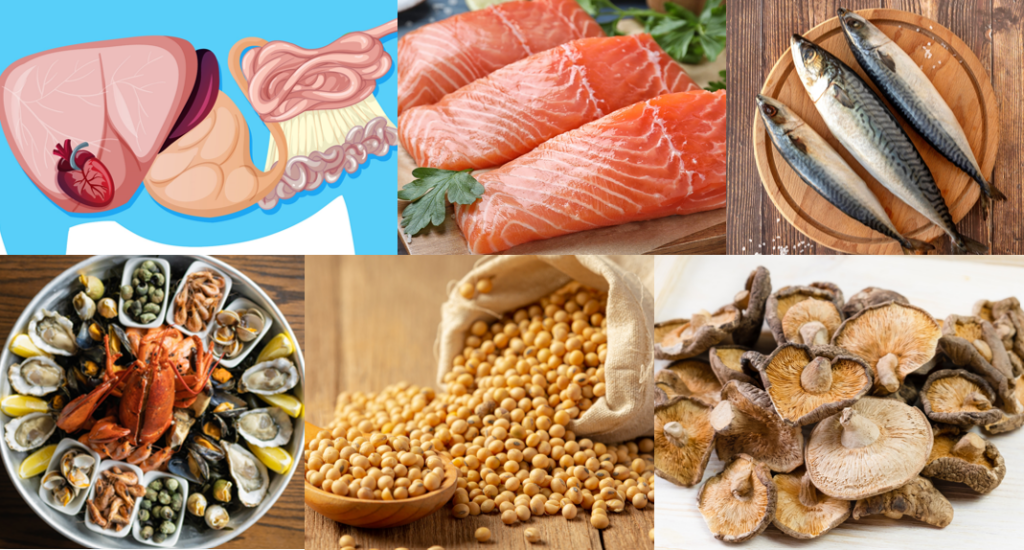
(1) Organ meats, such as: liver intestines, kidneys and brains.
(2) Seafood,such as: abalone, crab, lobster, salmon, sardines, tuna, carp, sea bass, trout, and cod.
(3) Shellfish, such as: clams, oysters, mussels, scallops, and snails.
(4) Legumes and vegetables, such as: soy beans, lentils, seaweed, mushrooms, etc , all of which contain higher levels of purines.
2) Avoid alcohol:

Alcohol consumption, especially beer and spirits, should be avoided as it can lead to the accumulation of lactic acid in the body, inhibit uric acid excretion, and increase the risk of gout.
3) Avoid acidic foods, fried foods, and high-fat foods:
Gout sufferers should aim for a daily fat intake of around 50 grams, with a focus on plant-based oils and minimal consumption of animal fats.
4) Limit excessive salt intake:
Since sodium in salt can promote the precipitation of uric acid, daily salt consumption should be restricted to between 2 grams and 5 grams.
Appropriateness of gout
1) Foods low in purines that are recommended include:
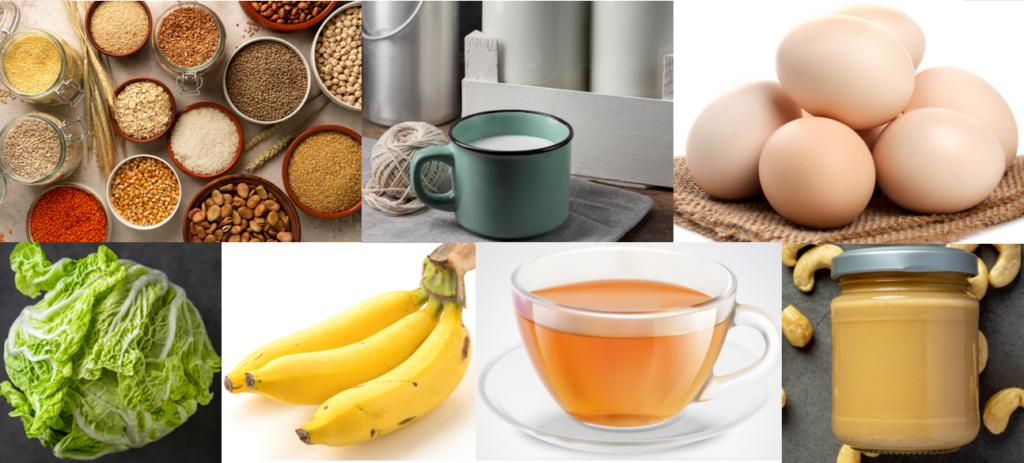
(1) Staples:
Rice (including white rice, corn, millet, glutinous rice, etc.), wheat (including barley, wheat, oats, quinoa, cereals, etc.), flour-based products (white flour, noodles, cornmeal, steamed bread, bread, biscuits), soda crackers, buttery pastries, starch, macaroni, potatoes, sweet potatoes, yams, vermicelli, etc.
(2) Dairy:
Fresh milk, condensed milk, cheese, yogurt, powdered milk, etc.
(3) Meat and Eggs: Chicken eggs, duck eggs, preserved eggs (century eggs), pork blood, duck blood, chicken blood, etc.
(4) Vegetables: Chinese cabbage, cabbage, amaranth, tong hao vegetable, celery, mustard greens, watermelon radish leaves, leeks, tomatoes, eggplants, various gourds (cucumber, winter melon, sponge gourd, pumpkin, bottle gourd, bitter gourd, etc.), radishes (including carrots, dried radishes, etc.), bell peppers, onions, scallions, garlic, garlic bulbs, ginger, wood ear mushrooms, chili peppers, pickles, salted vegetables, etc.
(5) Fruits: Apples, bananas, red dates, black dates, pears, mangoes, oranges, lemons, grapes, pomegranates, peaches, pineapples, apricots, pineapples, watermelons, papayas, raisins, dried longan, etc.
(6) Beverages: Soda water, mineral water, tea, fruit juice, chocolate, cocoa, jelly, etc.
(7) Other: Peanut butter, jam, soy sauce, winter melon sugar, honey, cooking oils (sunflower seeds, vegetable oil, butter, cream, almonds, walnuts, hazelnuts), Job’s tears, dried fruits, sugar, honey, jellyfish, seaweed, etc.
2) Foods with moderate purine content that should be consumed in limited quantities include:

(1) Legumes and their products: Soy products (tofu, dried tofu, soy milk, soybean curd, soy milk), dried beans (green beans, red beans, black beans, broad beans), bean sprouts, soybean shoots.
(2) Meats: Chicken, pheasant, turkey, duck, goose, pigeon, pork, pork skin, beef, lamb, etc.
(3) Seafood: Grass carp, carp, cod, flounder, perch, catfish, mackerel, crab, eel, conger eel, conch, abalone, fish balls, shark fin.
(4) Vegetables: Spinach, bamboo shoots (winter bamboo shoots, asparagus, dried bamboo shoots), beans (string beans, green peas, kidney beans, snap peas, peas), kelp, golden needles, white fungus, mushrooms, basil, cauliflower, watercress.
(5) Oils and Others: Peanuts, cashews, sesame seeds, chestnuts, lotus seeds, almonds. Even though these foods have moderate purine content, they should still be consumed in moderation by individuals with gout.
3) Drink plenty of water:

aiming for 2000ml to 3000ml daily, to facilitate the elimination of uric acid.
4) Maintain an ideal body weight:
If overweight or obese, weight reduction is advisable. However, weight loss should be gradual to avoid the risk of ketosis or acute gout attacks.
5) Consume foods rich in potassium:
such as bananas, broccoli, and celery. Potassium can reduce uric acid precipitation and help eliminate uric acid from the body. Increase your intake of alkaline foods like seaweed, cabbage, celery, cucumber, apples, tomatoes, and other alkaline fruits.
6) Engage in moderate aerobic exercise:

Traditional Chinese medicine suggests that treating gout involves nourishing Qi, promoting blood circulation, and strengthening the kidneys. When Qi and blood flow smoothly, uric acid is less likely to accumulate. Examples of suitable exercises include swimming, Tai Chi, and others.
What to do when you have a gout attack
1) Elevate the affected joint:
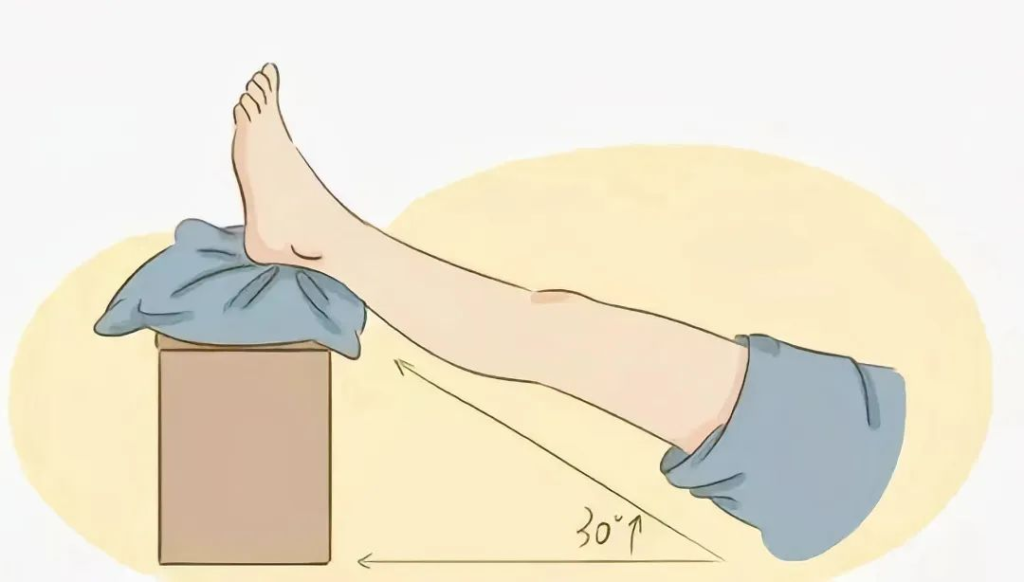
If a gouty joint is swollen and painful due to inflammation, you can lie down and elevate your limbs to allow blood to flow towards the heart. This promotes better blood circulation and helps alleviate the pain.
2) Apply ice to the gouty area:
Applying ice can reduce the pain associated with gout. If you experience gout symptoms, you can use an ice pack to apply cold to the affected area for around 15 minutes, being cautious not to apply it for too long to avoid skin damage.
3) Relax your body to reduce stress:

Excessive stress can worsen gout symptoms. Therefore, when experiencing gout, it’s important to relax both your body and mind. Deep breathing exercises can help relieve pain.
4) Stay hydrated:
Many gouts sufferers experience swelling or inflammation in the affected areas. Drinking plenty of water can increase urine production, allowing uric acid to be excreted through urine and thereby reducing gout-related issues.
5) Medication treatment:
This includes both Western and traditional Chinese medicine. Western medicine often involves nonsteroidal anti-inflammatory drugs (NSAIDs) or colchicine. Traditional Chinese medicine focuses on clearing heat, promoting diuresis, reducing swelling and pain, dispelling wind and dampness, and promoting blood circulation. Medications should be taken under the guidance of a medical professional and should not be used blindly.
6) Other therapies:
Acupuncture, massage, physiotherapy, and topical applications can have some therapeutic and pain-relieving effects.
The above methods are primarily for temporary relief or mild gout symptoms. If the pain is severe or the condition is serious, it’s essential to seek proper treatment at a reputable hospital or clinic.
Diet for gout patients
1) Coix Seed Porridge:
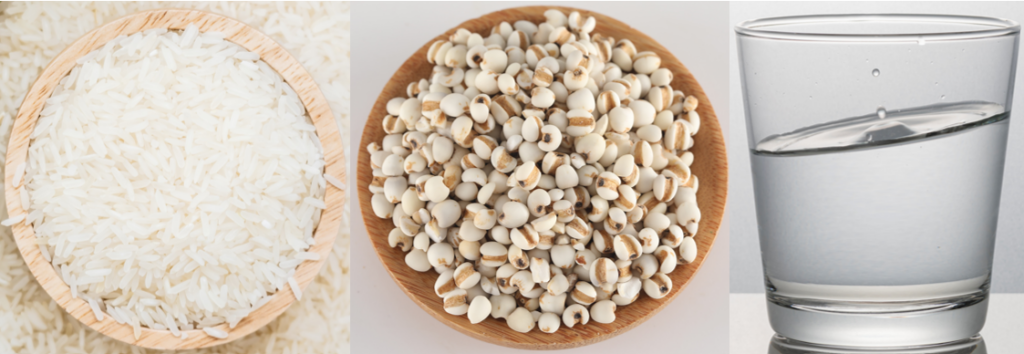
coix seeds, white rice, water
– Take an appropriate amount of coix seeds and white rice, with a ratio of approximately three to one
– Soak the coix seeds in water for four to five hours and the white rice for thirty minutes
– Mix together and simmer them in water until it becomes a porridge.
2) Winter Melon Soup:

winter melon, red dates, ginger shreds
– Take 300g of winter melon (without skin), five or six red dates, and a small amount of ginger shreds
– sauté the ginger shreds in oil until fragrant, then add the sliced winter melon and red dates to the pot
– add water and seasonings, cook until it becomes a soup.
此文章还有以下语言版本:
 简体中文 (Chinese (Simplified))
  Melayu (Malay)
