
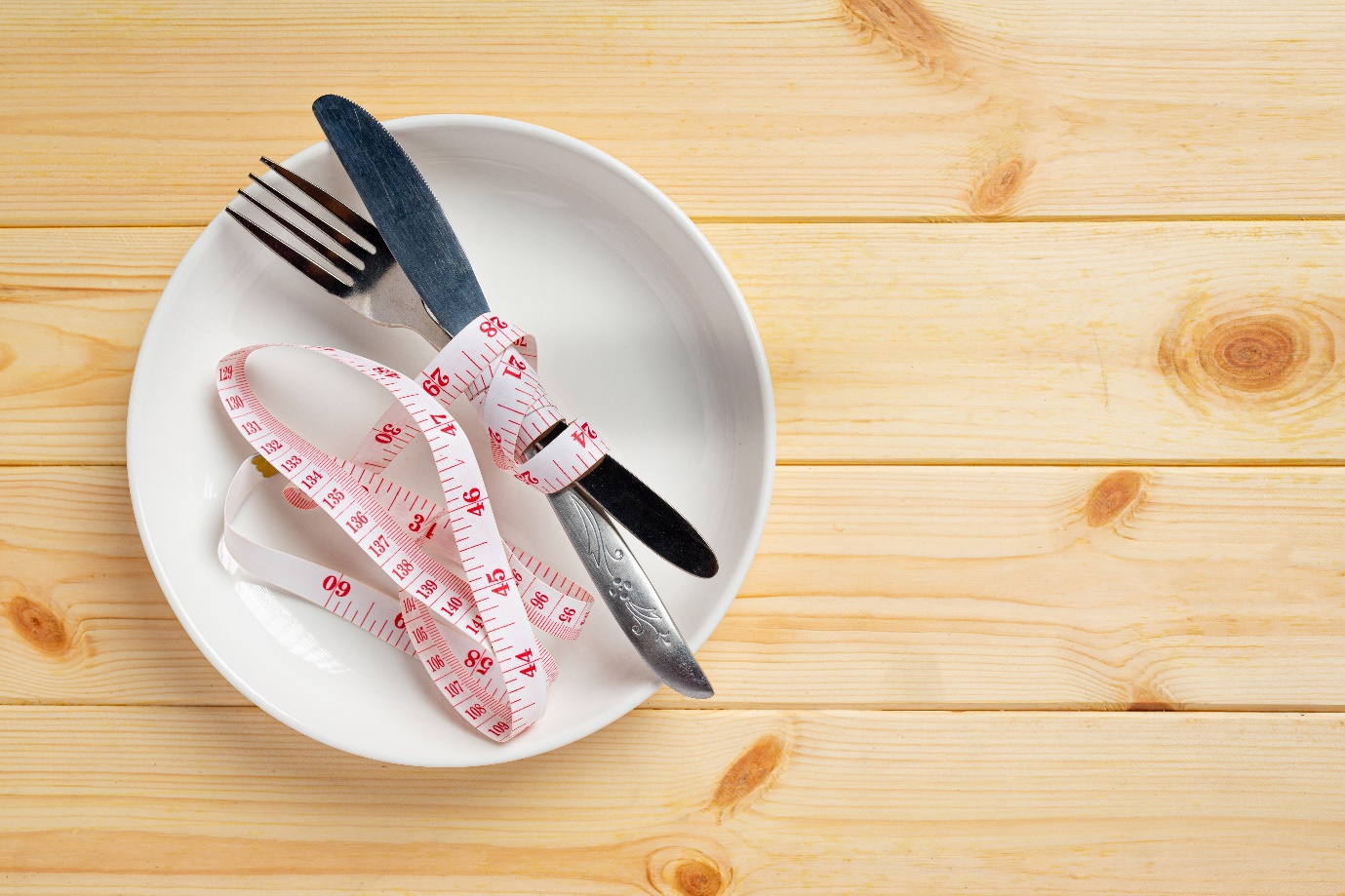
Food is a basic human need. As society advances and living standards rise, the public’s pursuit of a healthy lifestyle becomes more and more important. People are concerned about how to eat three meals a day to stay healthy, and the best way to do this is by understanding how to consume food. In order to achieve this, the idea of intermittent fasting has gained popularity and is now widely accepted.
What is intermittent fasting?
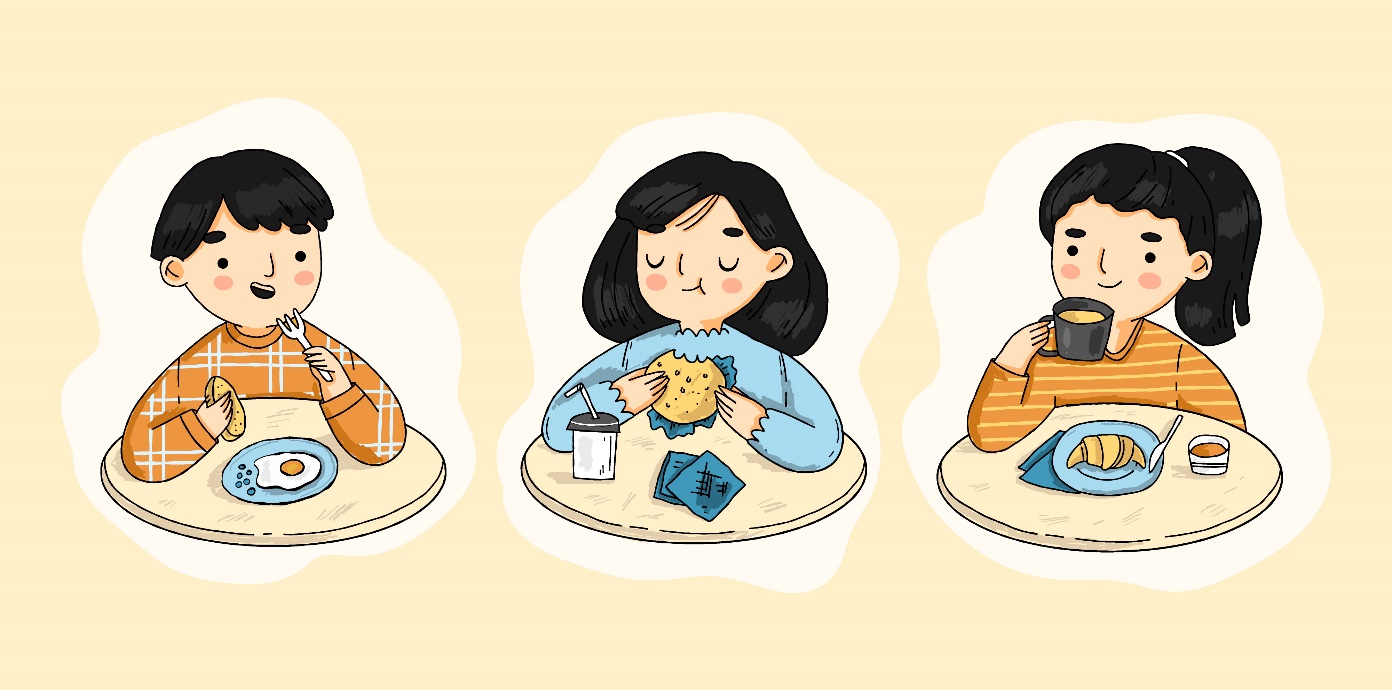
Dietary intervention known as intermittent fasting refers to a set rate of intermittently stopping food intake. Alternate days fasting, 5:2 fasting, 16:8 fasting, fruit and vegetable fasting, and other popular light fasting regimens are just a few of the current popular methods. These fasting regimens all have one thing in common: they keep you from eating because you are too hungry. Is it true that not eating makes one healthier?
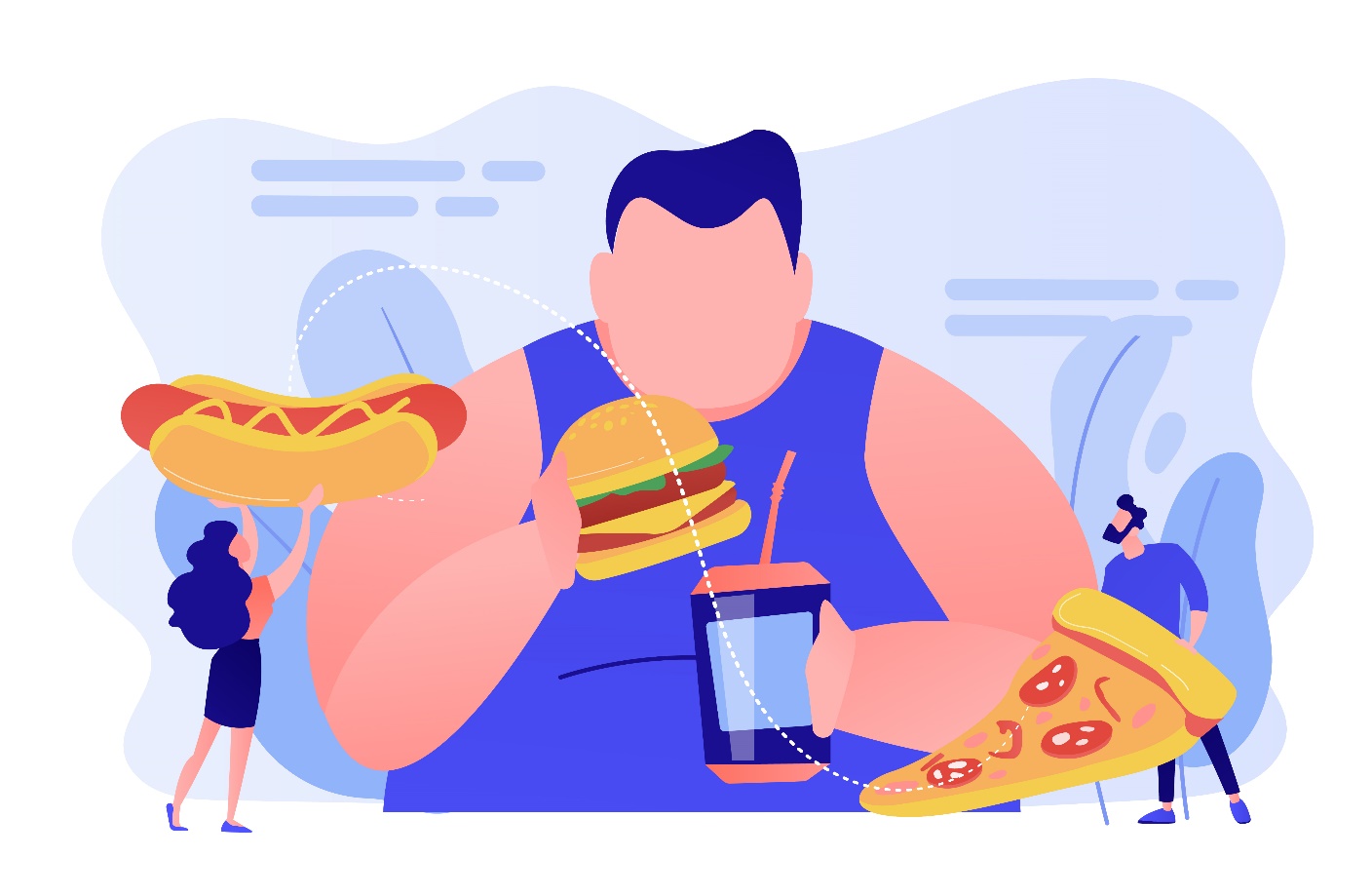
The popularity of intermittent fasting is largely due to the fact that the public’s standard of living has improved, and the public no longer needs to worry about food. On the contrary, the abundance of living resources and increase in social activities has resulted in the public unconsciously overeating. Obesity, cardiovascular and endocrine diseases are all caused by uncontrolled eating. When health is threatened, people want to restore health through light fasting in order to quickly restore the body to its pre-disease state, especially those who want to lose fat.
Intermittent fasting and its effects on the body
If you want to lose fat by fasting, you must maintain it for a long time to see results. If, during the implementation period, you are unable to keep up the effort and maintain your eating habits, it is likely to cause you to give up earlier efforts. It may also increase your body’s desire for food, which could lead to an increase in food intake and a reversal of your weight loss.
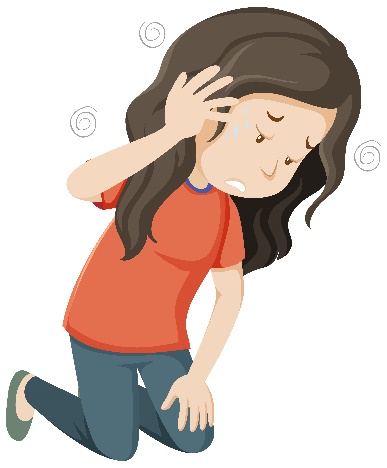
From the perspective of traditional Chinese medicine, inconsistent eating can easily result in damage to the spleen and stomach’s ability to function, which in turn affects digestion, absorption, and metabolic function. As a result, the body exhibits symptoms of decreased digestive capacity, such as loss of appetite, fatigue, weakness, bloating, and constipation.
An unbalanced diet can even deplete the body’s energy over time, resulting in insufficient energy, making a person appear sick, spiritless, and lethargic; for women,a lack of qi and blood can’t provide the basic materials needed to produce menstruation, resulting in less menstrual volume, menstrual disorders, or delayed menstruation.
How should you eat if you want to stay healthy?
- 1. Change your eating habits gradually
Instead of abruptly changing the diet to force the body to accept it, it is preferable to take it gradually, progressively reducing the amount of food for a day within the range acceptable to the body, ensuring that the body maintains health without dieting. To avoid overeating, eat three meals on time and refuse too many gatherings in moderation. Control your intake, avoid overeating or undereating, start eating when you are hungry and stop when you are no longer hungry, your appetite declines, your eating pace slows down, and you are no longer tempted to eat the food in front of you.
- 2. Make an effort to exercise evenly
People today work and study a lot, leading to a lot of physical and mental exhaustion. In order to manage life, even rest time is insufficient, let alone allocating physical strength to exercise, so the majority of people choose to engage in vigorous exercise during their free time. Most people choose to be comfortable, only engage in physical activity a few days a week, as their physical health deteriorates. Therefore, the best strategy for maintaining health is to distribute exercise over time, exercise frequently and in a consistent manner, and balance the intensity of daily exercise.
【Afterword】
Disease is primarily brought on by an imbalance between movement and static and eating disorders. Health is being destroyed by a sedentary lifestyle and the bad habit of not controlling one’s appetite and eating as much as one want. It is not bad to want to change one’s diet in order to improve health, but because everyone has a unique constitution and set of lifestyle choices, not everyone will benefit from the same dietary change. If health is viewed as a bargain, intermittent light fasting may come at a higher cost. Exercise is essential for life; to maintain a healthy physique, one should not rely on intermittent fasting but rather maintain healthy eating practises and daily exercise routines.
此文章还有以下语言版本:
 简体中文 (Chinese (Simplified))

