
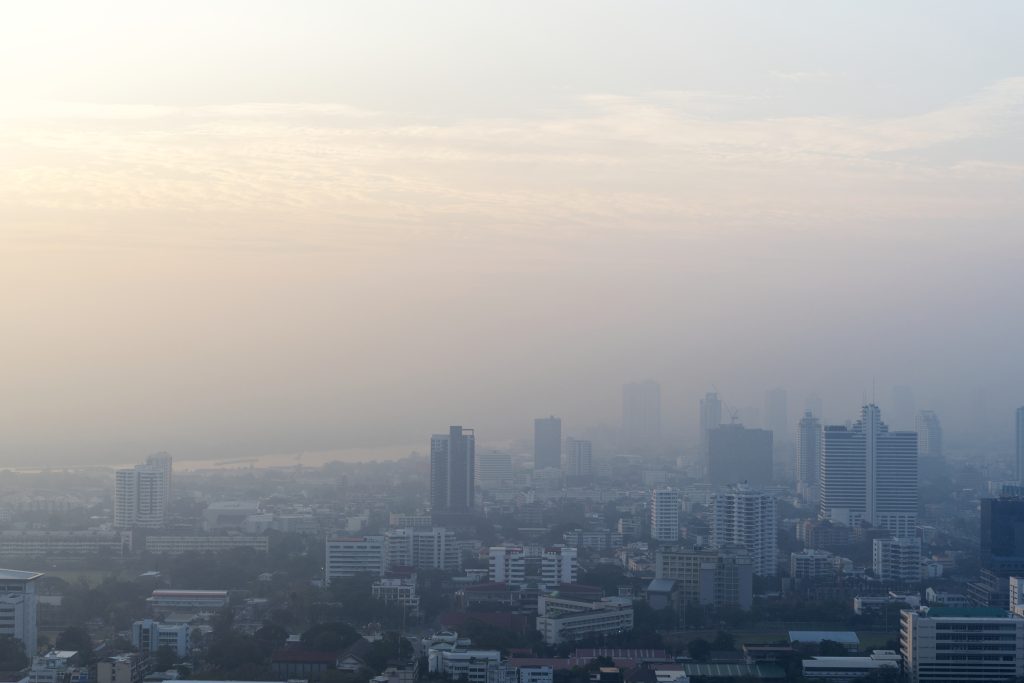
Buildings in the distance become blurred, and the air may carry an unpleasant smell of smoke. Haze not only reduces visibility but is also a public health issue that deserves attention. Particularly during periods of forest fires, open burning, or severe air pollution, people may inhale large amounts of fine particulate matter, which can affect both the respiratory and cardiovascular systems. The World Health Organization (WHO) points out that fine particulate matter (PM2.5) can penetrate deep into the lungs and may even enter the bloodstream. Exposure to PM2.5 is associated with various health problems, including respiratory diseases, heart disease, stroke, and lung cancer.
I. What Is Haze?
Haze is a form of air pollution caused by the accumulation of smoke, dust, and various pollutants in the atmosphere. Its sources include forest and peatland fires, open burning, vehicle exhaust, industrial emissions, and other combustion activities.
The pollutants in haze are not limited to the dust that can be seen with the naked eye. Among the most concerning are PM10 and PM2.5. PM2.5 particles are extremely small and can travel deep into the respiratory tract when inhaled. The World Health Organization points out that fine particulate matter can penetrate deep into the lungs and may enter the bloodstream, potentially affecting multiple organs in the body.
Short-term exposure to high concentrations of air pollutants may cause symptoms such as irritation of the eyes, nose, and throat, coughing, and wheezing. Long-term or continuous exposure may increase the risk of chronic respiratory and cardiovascular diseases.
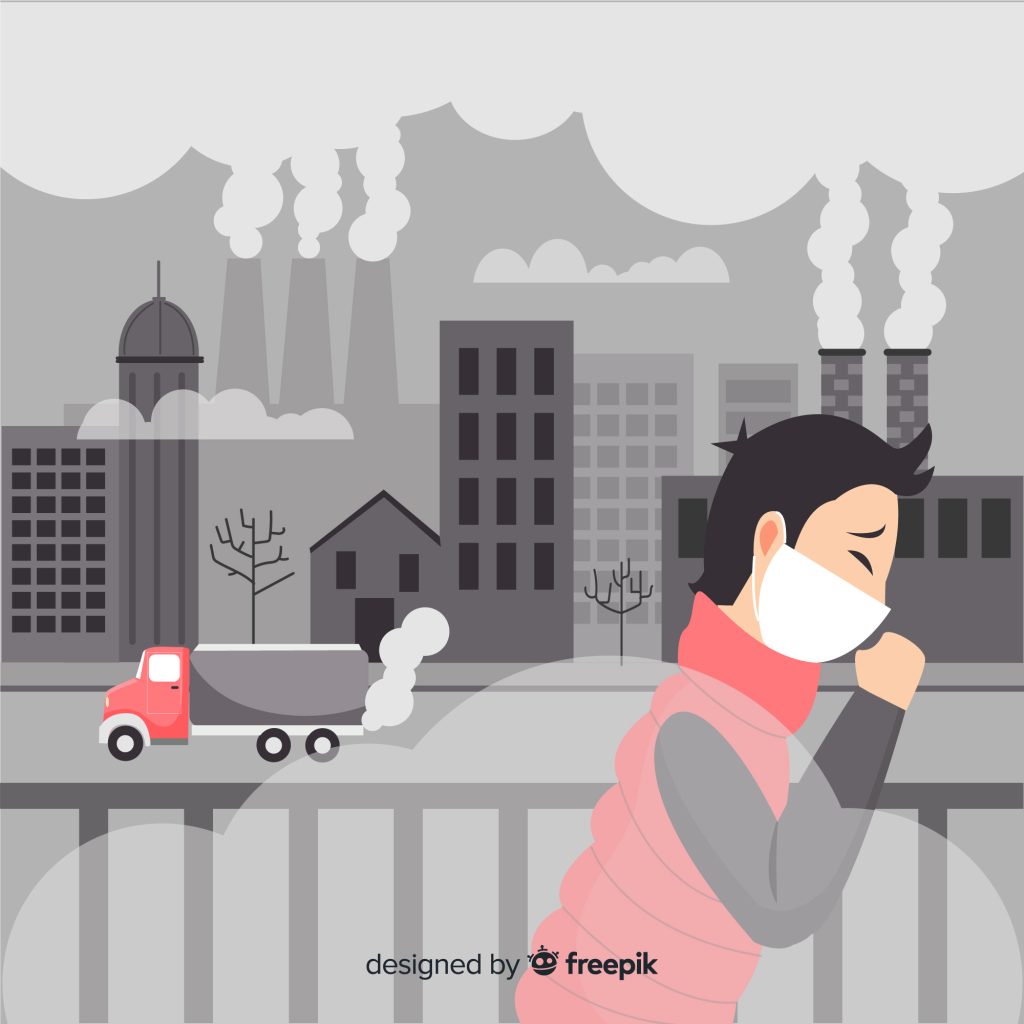
II. How Does Haze Affect Human Health?
The respiratory system is the part of the body that comes into the most direct contact with haze. When we inhale polluted air, the nasal passages, throat, and trachea are among the first areas to be irritated. Some people may experience a dry or itchy throat, coughing, nasal discomfort, or a feeling of tightness in the chest.
The effects of air pollution may be more noticeable in children, older adults, and people who already have respiratory conditions. In addition, air pollution does not affect only the lungs. Modern medical research suggests that once fine particulate matter enters the body, it may trigger inflammation and oxidative stress and affect the cardiovascular system.Therefore, during periods of severe haze, reducing the amount of time spent exposed to polluted air is an important measure for protecting health.
III. How Does Traditional Chinese Medicine View Haze?
From the perspective of Traditional Chinese Medicine (TCM), although ancient physicians did not have the modern medical concept of “PM2.5,” TCM has long emphasized the close relationship between the external environment and human health. According to TCM theory, human health is closely connected to the natural environment. When the external environment changes significantly, the body’s “Zheng Qi” , or defensive and health-maintaining capacity, may also be affected.
The smoke, dust, and dryness associated with haze can be understood through the traditional TCM concept of “external pathogens”. When the air is dry and heavily polluted with smoke and dust, TCM theory considers the lungs more susceptible to dysfunction. TCM describes the lungs as “the delicate organ”, meaning that they are relatively sensitive and easily affected by changes in the external environment.
In TCM theory, “the lungs govern Qi and control respiration”. Therefore, when the lungs are affected by unfavourable external factors, symptoms such as coughing, a dry throat, and nasal discomfort may occur. TCM also emphasizes the principle “when Zheng Qi is strong within, pathogenic factors cannot easily invade”. In other words, maintaining good overall health and healthy lifestyle habits is considered an important foundation for disease prevention.

IV. What Preventive Measures Does TCM Recommend for Haze?
First, TCM emphasizes the concept of “treating before disease occurs”. This means maintaining health through proper lifestyle practices before obvious illness develops. During periods of haze, health can be supported through appropriate dietary choices, adequate rest, and emotional well-being.
In terms of diet, it is advisable to choose light and balanced foods, with plenty of vegetables, fruits, legumes, and adequate protein. According to TCM health-maintenance practices, foods such as pears, lily bulbs, and white fungus may be incorporated into the daily diet for their moisturizing qualities. However, these foods are simply part of a normal diet. They cannot “remove PM2.5 from the lungs” and should never replace protective measures such as wearing a mask, using air purification, and reducing exposure to polluted air.
Second, adequate hydration should be maintained. Haze conditions are sometimes accompanied by a dry environment, and drinking an appropriate amount of water can help maintain the body’s normal fluid balance. If significant sore throat, persistent coughing, or difficulty breathing occurs, one should not rely solely on dietary therapy but should seek professional medical advice promptly.

Third, TCM places importance on maintaining a regular sleep schedule. Chronic sleep deprivation and excessive fatigue may negatively affect overall health. Therefore, during haze season, it is especially important to get sufficient sleep and avoid overexertion. Gentle activities such as walking and stretching may also help maintain physical vitality. However, when outdoor air quality is poor, strenuous exercise outdoors should be avoided.
In addition, TCM emphasizes emotional regulation. Prolonged periods of haze may cause people to feel frustrated or stressed because they are unable to participate in normal outdoor activities. Maintaining a calm state of mind, getting adequate rest, and engaging in indoor activities are also important aspects of a healthy lifestyle.
V. Dietary Therapy for Relieving Discomfort Caused by Haze
If haze causes symptoms such as dry mouth, a dry throat, or dryness in the nasal passages, herbs such as Ophiopogon japonicus, lily bulb, and Radix Glehniae may traditionally be used to prepare soups or herbal beverages. In TCM, these ingredients are considered to nourish Yin and alleviate dryness, thereby helping to relieve dryness-related discomfort.
If the main symptoms include throat discomfort and thick or sticky phlegm, ingredients such as dried tangerine peel and Platycodon root may traditionally be prepared as herbal drinks to help transform phlegm and regulate Qi.
For mild throat dryness or irritation, a gentler herbal tea may be considered. For example, a tea made with luo han guo and Sterculia lychnophora seeds may help relieve throat discomfort.
Conclusion
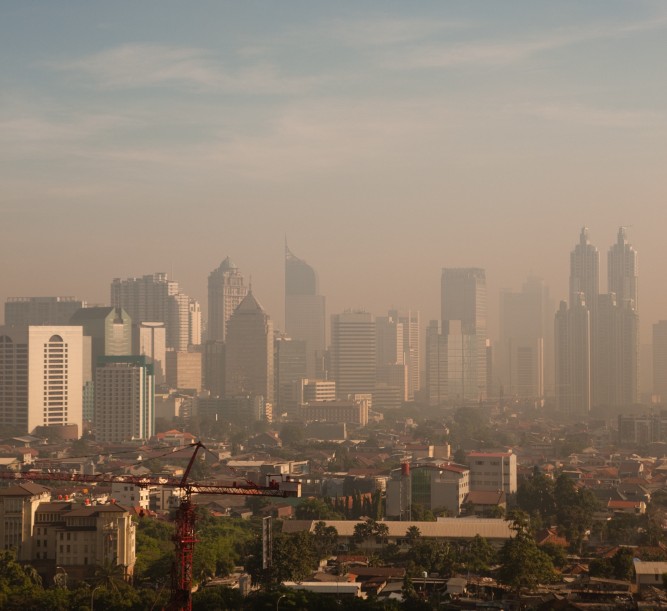
Haze is an issue closely connected to both the environment and human health. It not only affects our surroundings and quality of life but may also have adverse effects on the respiratory system, cardiovascular system, and overall health. Therefore, when facing haze, we should not simply adopt a “wait it out” attitude. Instead, we should take proactive preventive measures.
From the perspective of modern medicine, reducing exposure to pollutants, monitoring air quality, and taking appropriate protective measures are key to protecting our health. From the perspective of TCM, health can be supported by following the rhythms of nature, maintaining regular sleep and daily routines, eating a balanced diet, regulating emotions, and strengthening the body’s overall condition, thereby putting the principle of “treating before disease occurs” into practice.
Protecting our health should not begin only after we become ill. Rather, it starts with the small habits we practice every day. By combining scientifically supported measures for protecting ourselves from air pollution with a healthy lifestyle, we can better protect ourselves when haze occurs and creates a healthier and safer living environment for our families.
此文章还有以下语言版本:
 简体中文 (Chinese (Simplified))
  Melayu (Malay)
