

The skin is the largest organ of human body, it is soft and elastic. Human skin is composed of epidermis, dermis, subcutaneous tissue and their appendages. The appendages of the skin include sweat glands, sebaceous glands, hair, fingernails and toenails.
Tips
The thinnest skin of human body: Is under the eyes and around the eyelids, with a thickness of about 0.3-0.5 mm.
The thickest skin of human body: Is on the palms and soles, with a thickness of about 4mm.
Physiological functions of the skin
– Barrier effect.
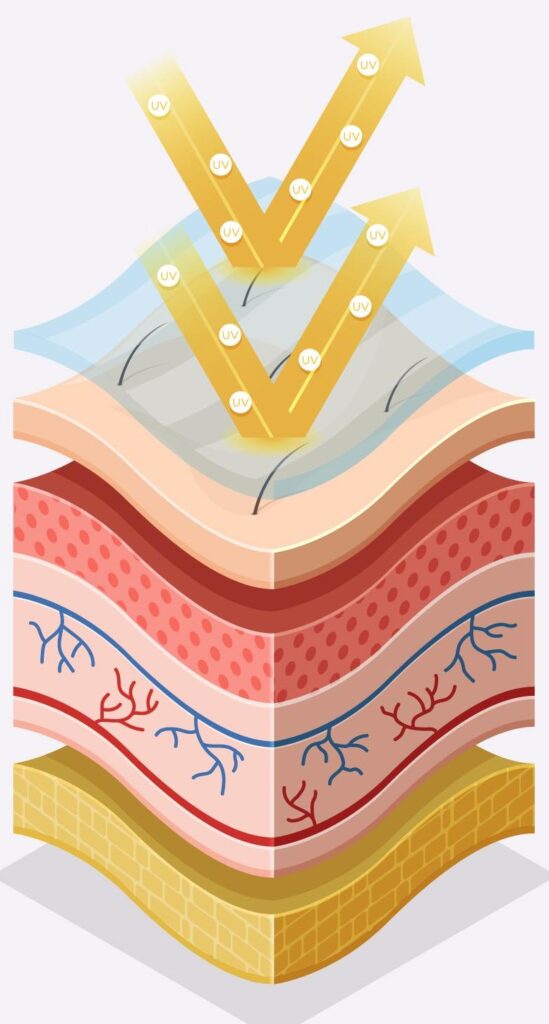
The skin is like an armor, it is the first layer of barrier when the human body contacts with the outside world, it protects the human body from external aggressions.Perception function.
The skin senses pain, itch, heat and cold, pressure, etc. When people touch dangerous objects, they can respond immediately to avoid injury.
– Adjustment of temperature.
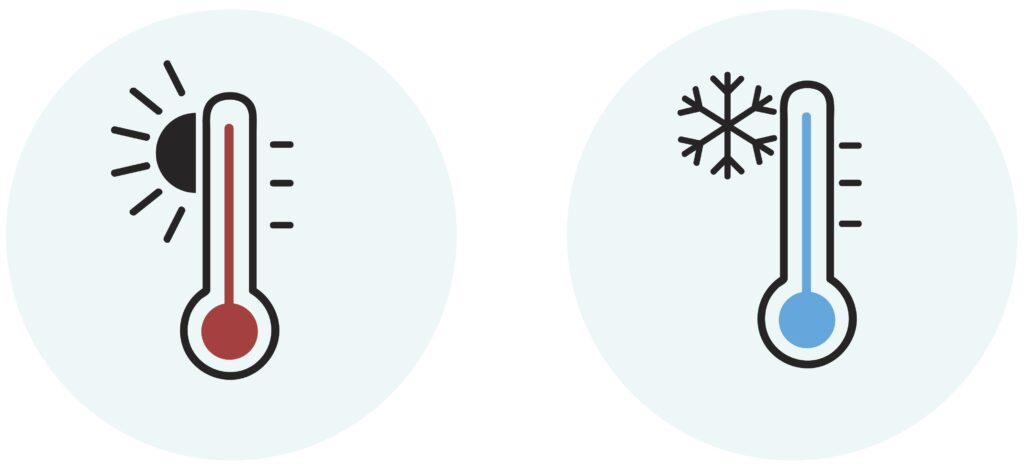
The skin detects the changes of surrounding environment and regulates the temperature of the human body. The skin can dissipate sweat and dissipate heat through the pores, or close the pores to preserve body temperature to keep warm.
– Skin participates in metabolism of the whole body.
The skin’s own metabolism is a cycle of 28-30 days. In each metabolic cycle, the old superficial skin will gradually fall off, and new skin will grow again.
– Secretion and excretion.
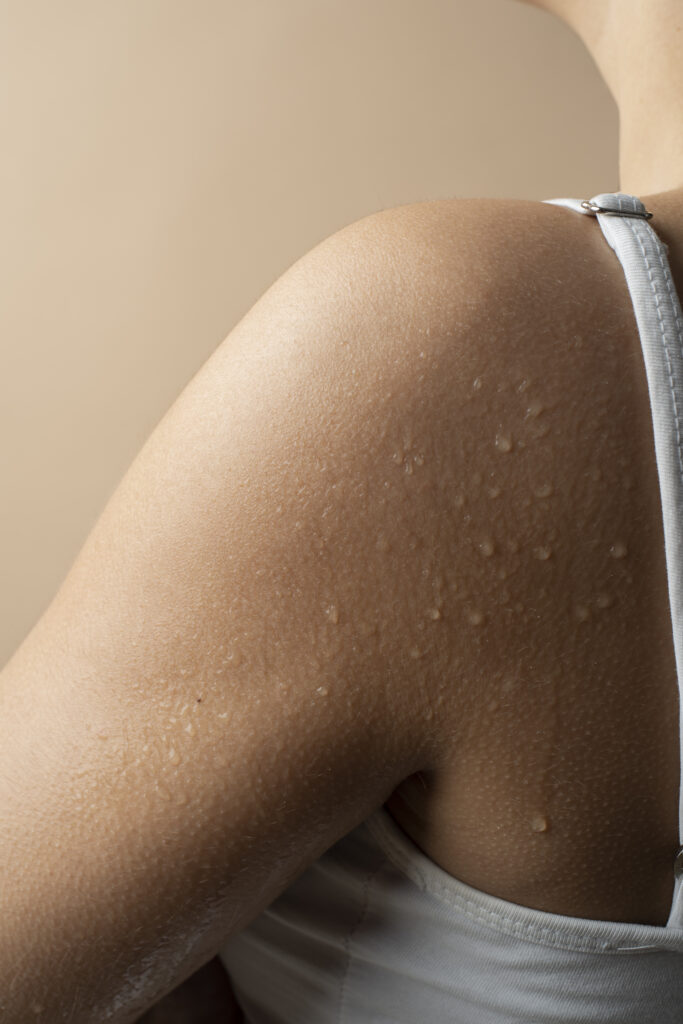
The skin secretes sweat through sweat glands. The secretion of sweat can dissipate heat and cool down the body, moisturize the skin, and excrete metabolites in the body.The skin secretes sebum through the sebaceous glands, and the sebum forms a protective film on the skin surface to protect and moisturize the skin.
– Absorptive function.
Clinically, the use of external medicine soaking, external washing, external application, external plaster, etc. to treat diseases has good results, all of which are because the skin has the function of absorption.
How to judge whether your skin is healthy?
If you want to have healthy skin, you must first understand the physiological function of the skin and whether it works normally and then observe the state of the skin.
1 Observe whether the physiological function of the skin is good? (Refer to [Physiological functions of the skin] above)
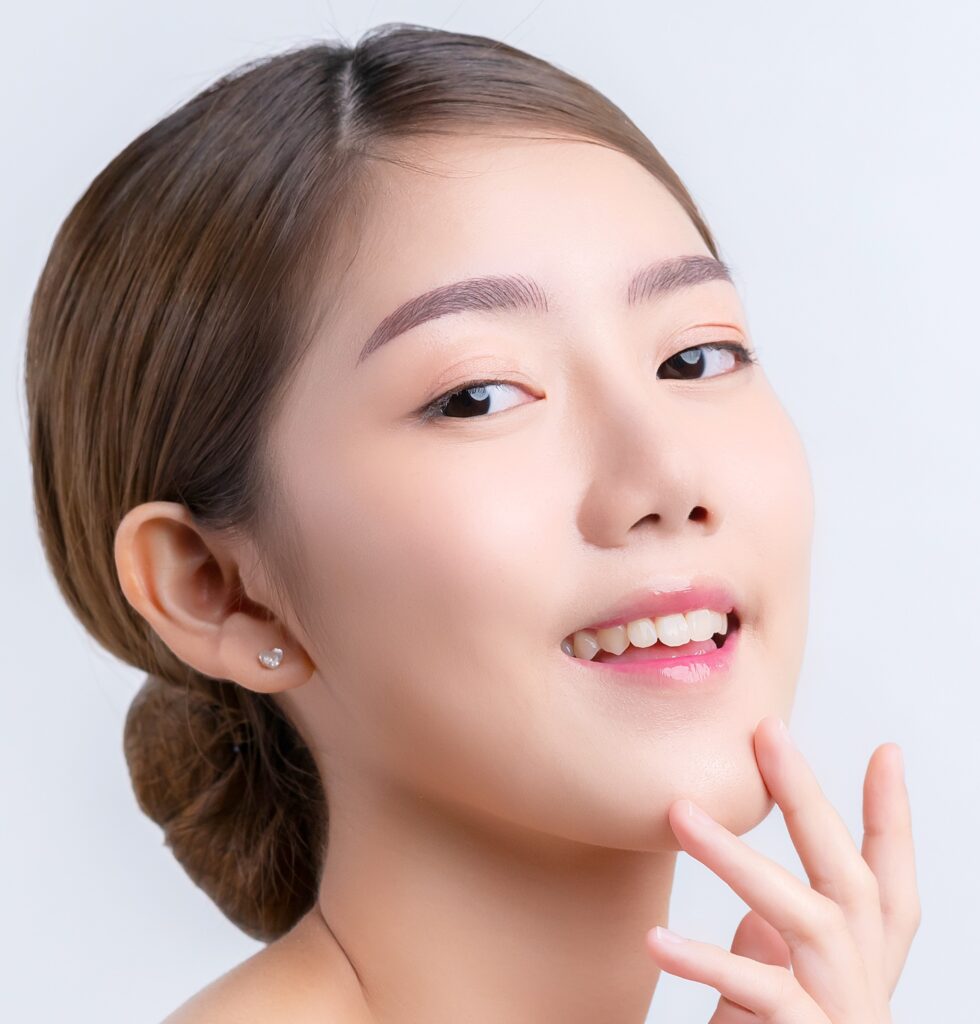
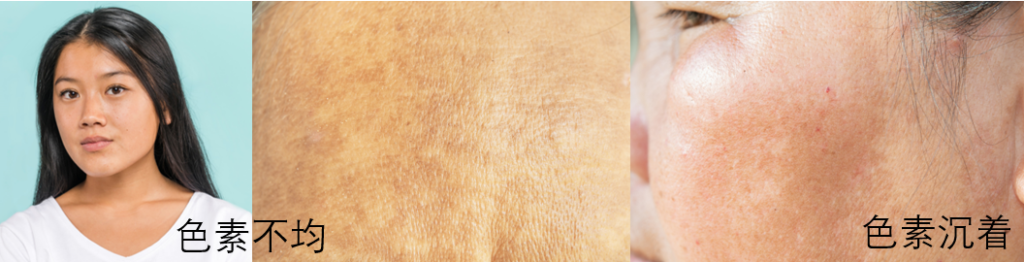
2 Observe whether the skin color is even? Hyperpigmentation (dark spots) or hypopigmentation (white spots).
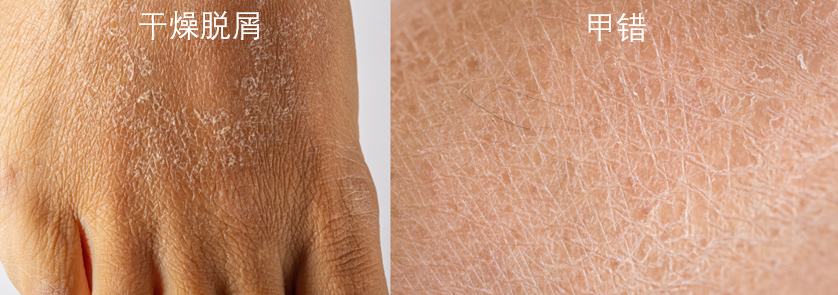
3 Observe how is the moisture level of skin? Dry and flaky or squamous skin.
4 Observe how is the radiance of skin? Is the skin rosy and radiant, or pale and dull.
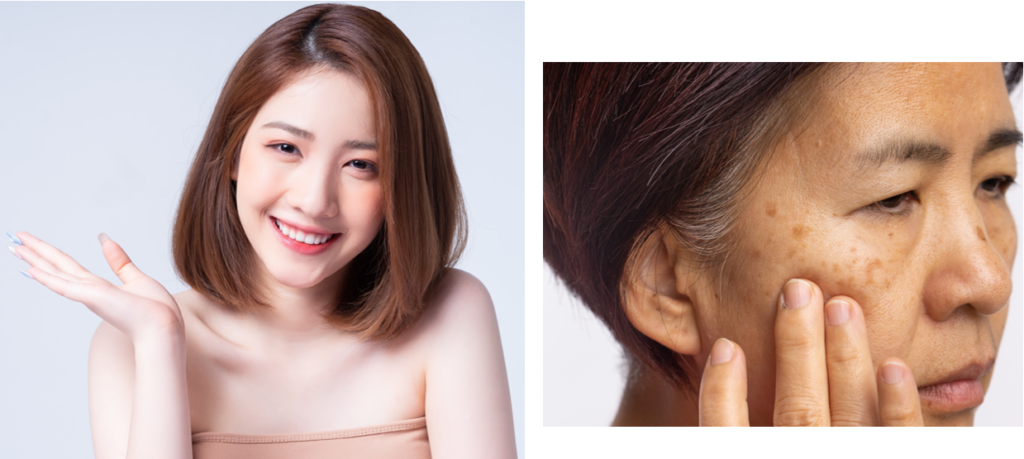
5 Observe how is the elasticity of skin? Whether the muscles are slack or sagging.

6 Observe whether the skin texture is delicate or rough?

7 Observe how is the repair function of skin? Whether the scratches or wounds are healing well, and whether there are scars.
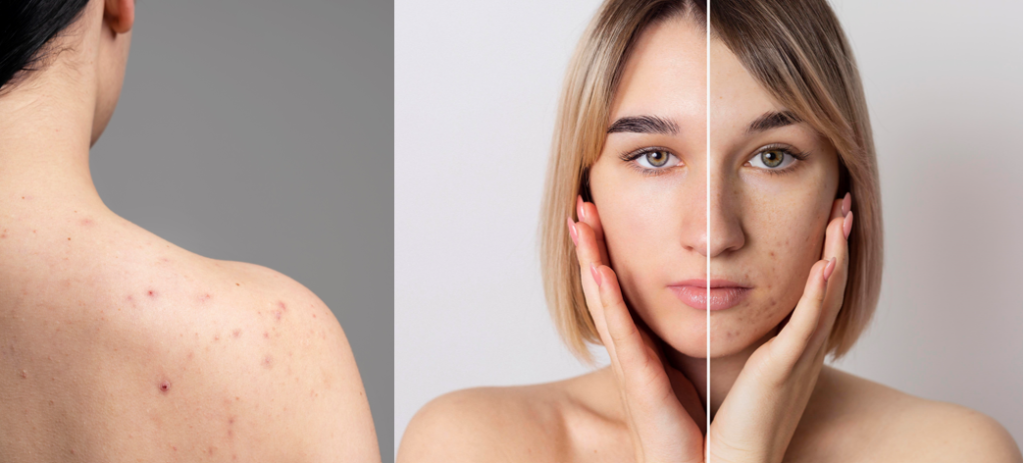
**After the observations above, if you find that your skin is beginning to age or degenerate, don’t panic. The next chapter will tell you how to keep your skin youthful.
此文章还有以下语言版本:
 简体中文 (Chinese (Simplified))
  Melayu (Malay)
