
The previous chapter: “What the Skin Wants to Tell You” How to Maintain Our Skin (2) For those who have not read it you can click here, let you know what is the relationship between skin, food diet and exercise.
Let’s go to the next chapter~
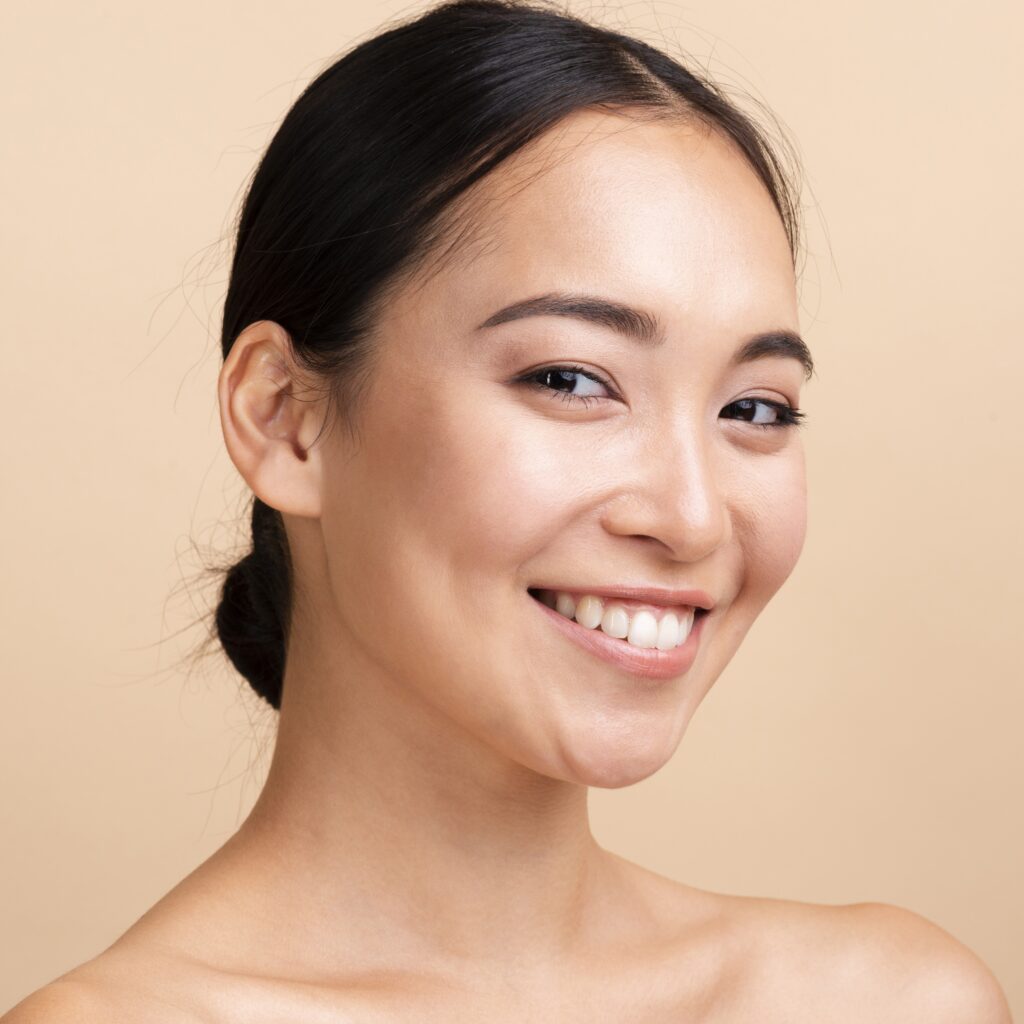
TCM says “Look at the outside and speculate inside”, which means that TCM can judge the condition of the internal organs and meridians of the human body based on the external manifestation. It is also said that “whatever is inside will show up in the outside.” As the ancient text “《Ling Shu·Lun Ji Zhen Chi》” says, “Judging the Inside from Observation of the Outside” means that by examining the external signs of the body, there are ways to infer the internal changes in the human body.
1.The relationship between the five internal organs and the skin
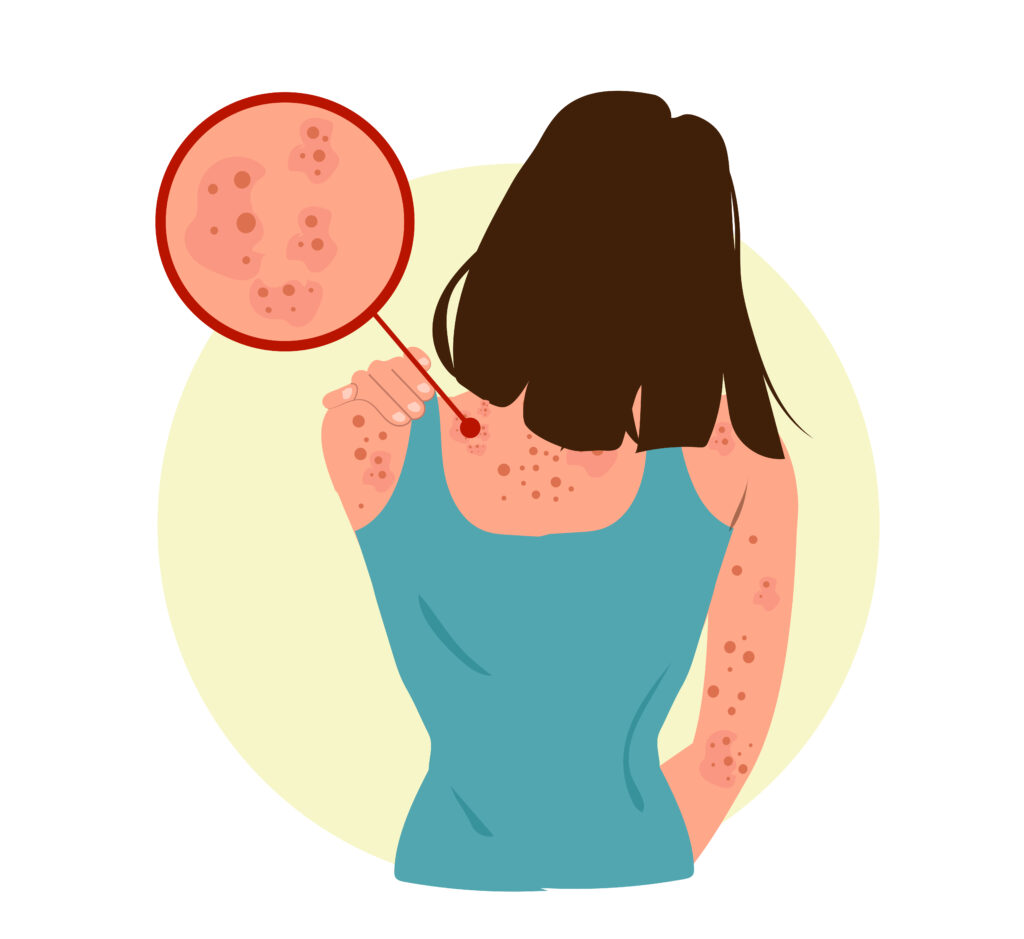
TCM believes that the five internal organs and the skin are closely related and influence each other.
Each organ has its corresponding meridians connected to the skin, and the functions of the internal organs can be expressed through the skin.
For example, the lung governs the skin and hair. If the lung function is out of balance, it may lead to dry skin and allergies; the liver governs the meridians, and stagnation of liver qi may cause skin itching, boils and other symptoms. And “all sores, itching, and pain all belong to the heart” means that external manifestations such as skin sores, itching, and pain are all related to the heart.
2.Functions of the five internal organs and skin manifestations
Lungs and skin

TCM believes that the lungs govern the circulation and divergence, and if the lung qi is unobstructed, the skin will appear shiny and moist; when the lung qi is insufficient, the skin may become dry, rough, and prone to wrinkles, spots, etc.
Heart and skin
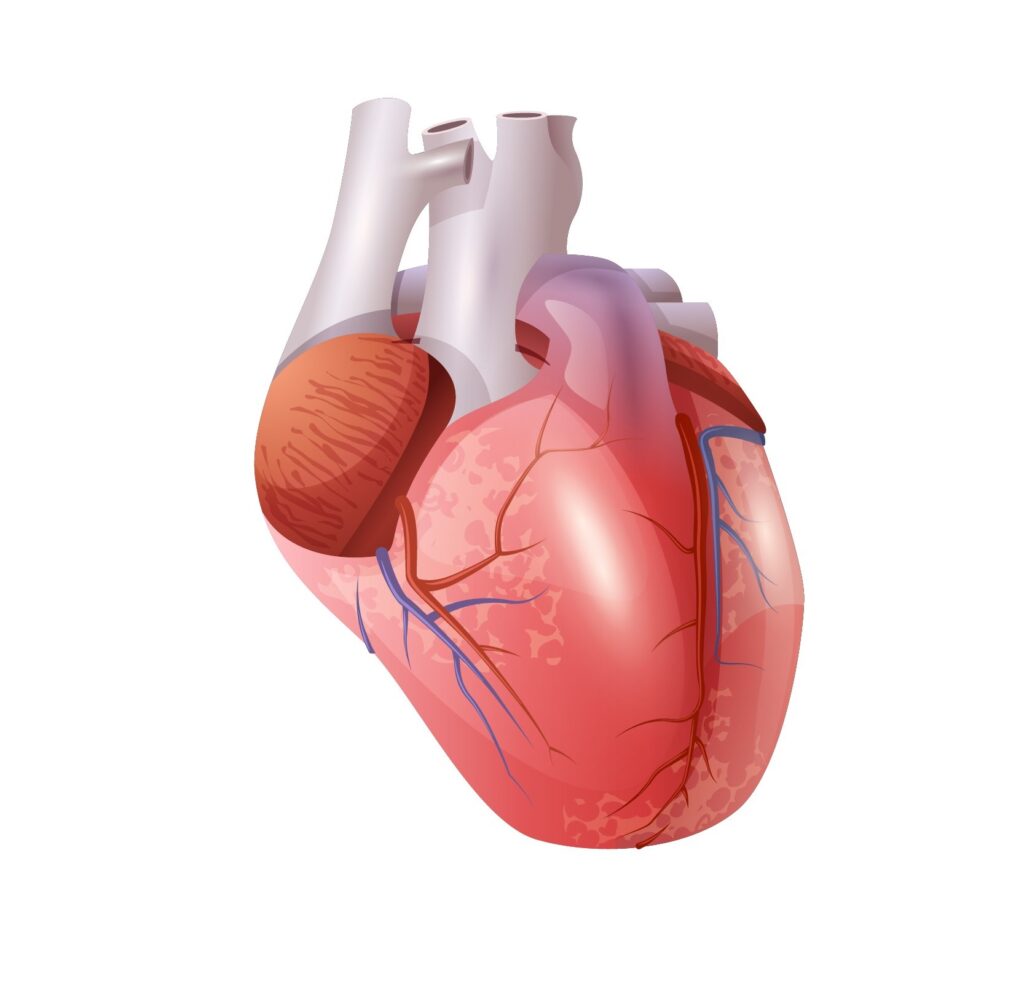
Heart governs the blood vessels, and when the heart blood is abundant, the skin will be healthy and rosy; when the heart blood is insufficient, the skin may become pale and dull, and even blood stasis, ecchymosis, etc.
Liver and skin
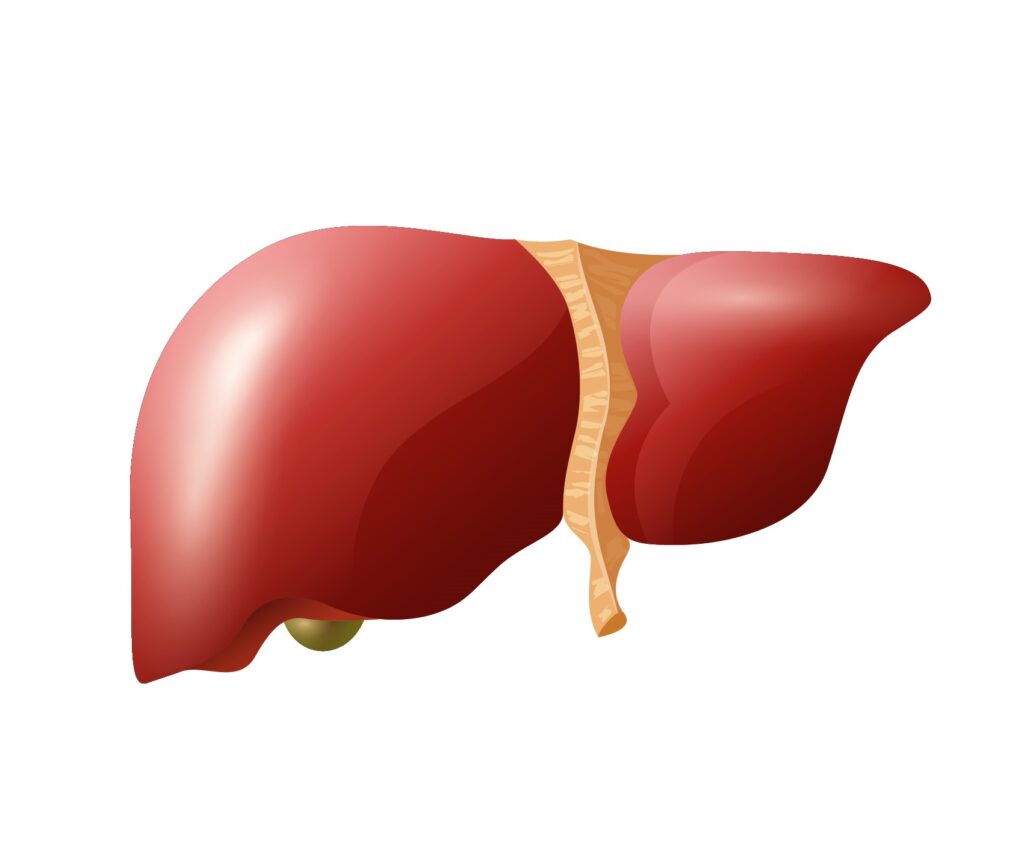
Liver governs dispersion, so that liver qi can be loosened and the skin will remain in a normal state; when stagnation of liver qi occurs, it may cause skin itching, eczema, sores, etc.
Spleen and skin
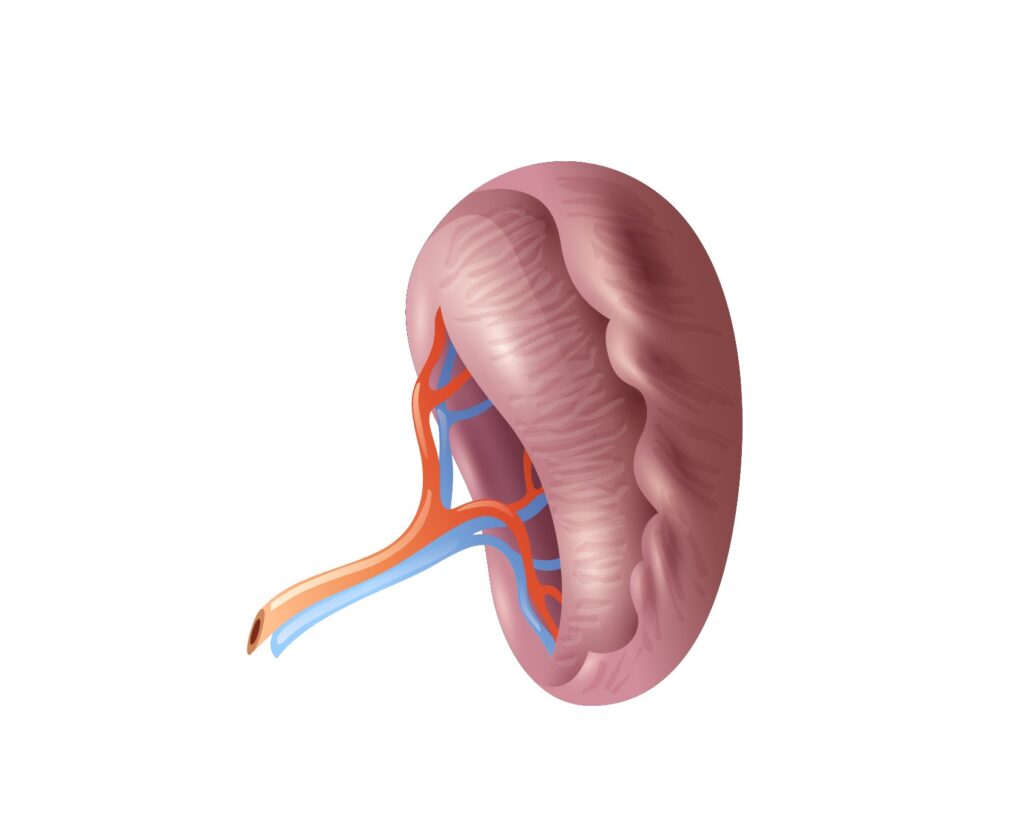
Spleen is responsible for transporting water and dampness. If the spleen is healthy, the skin will show a healthy state; when the spleen is weak, it may cause skin edema, acne, etc.
Kidneys and Skin
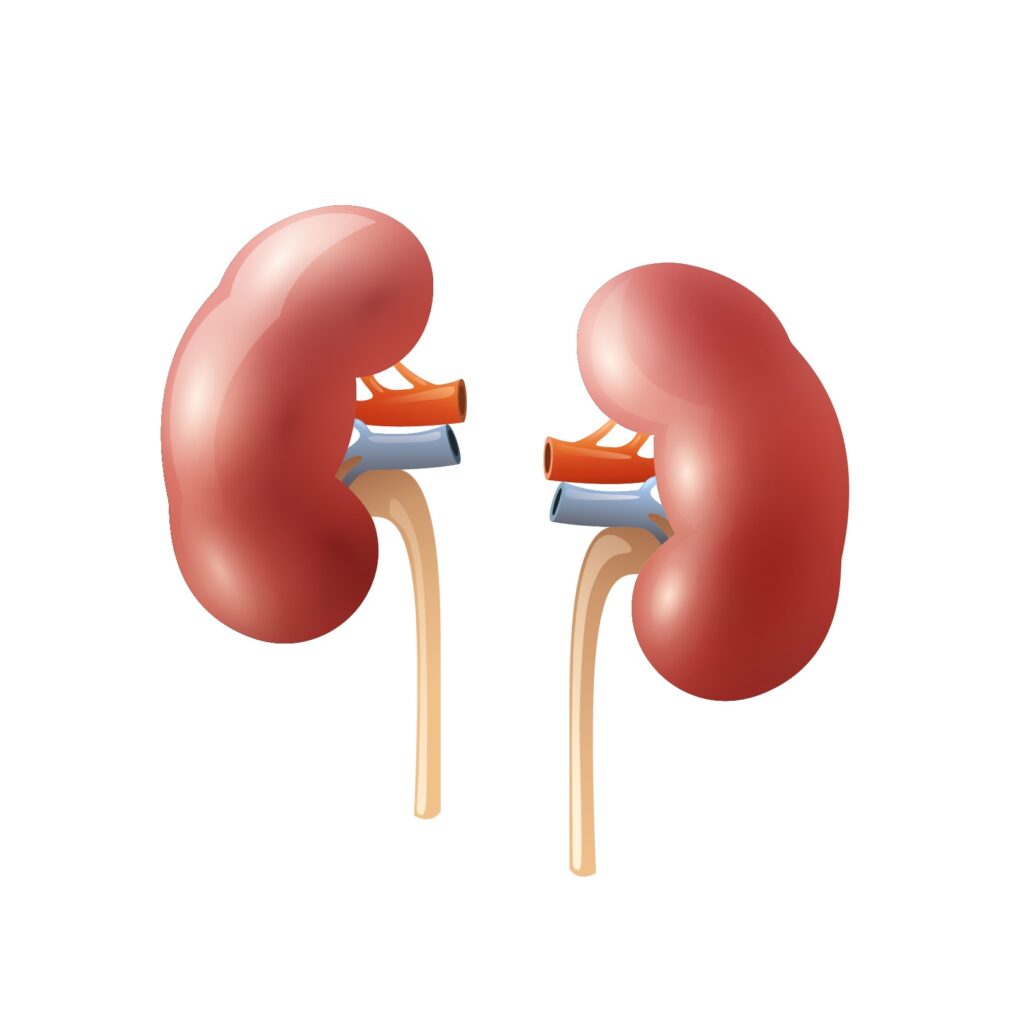
Kidneys govern reproduction and water metabolism. If the kidney qi is sufficient, the skin will appear elastic and smooth; when the kidney qi is insufficient, the skin may become loose, dry, and prone to wrinkles and pigmentation.
3.Application in TCM Treatment
Based on the relationship between the five internal organs and the skin, TCM often starts with regulating the five internal organs when treating skin problems, so as to achieve the effect of overall regulation.
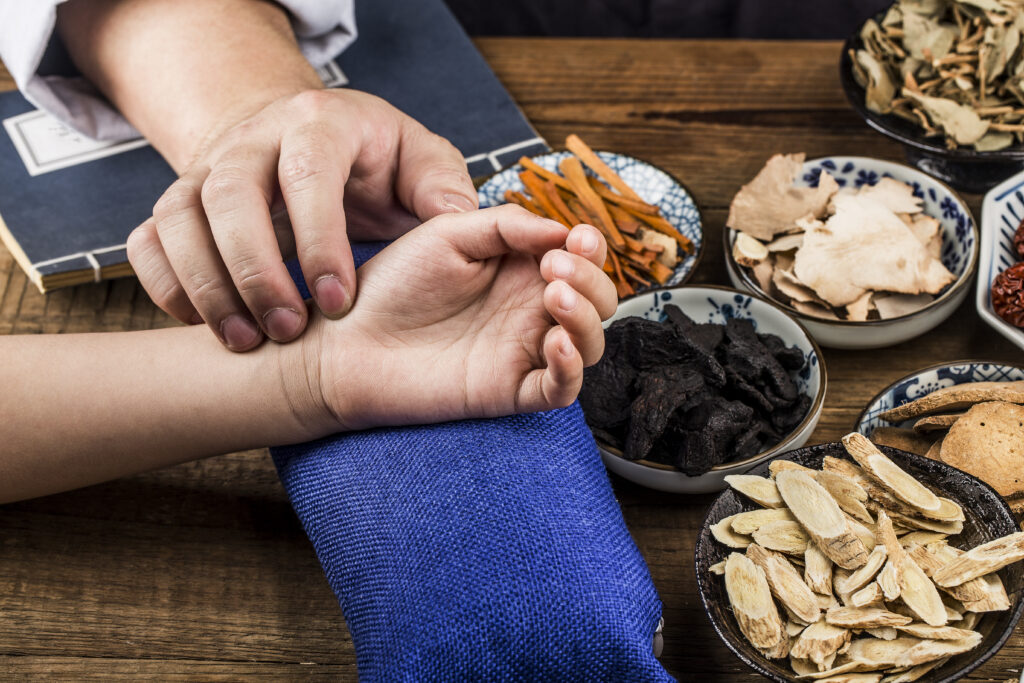
Lung conditioning: By regulating breathing and enhancing lung function, it can improve skin dryness and sensitivity.
Heart conditioning: By adjusting thoughts and making the blood in the body full and smooth, it can improve pale and dull skin.
Liver conditioning: Through soothing the liver and regulating the stagnation of liver qi, it can improve skin itching and eczema.
Spleen conditioning: By regulating digestive function and enhancing spleen health, it can improve skin edema, acne, etc.
Kidney conditioning: By regulating kidney qi, invigorating kidney and strengthening yang, it can improve skin sagging, dryness, etc.
Conclusion
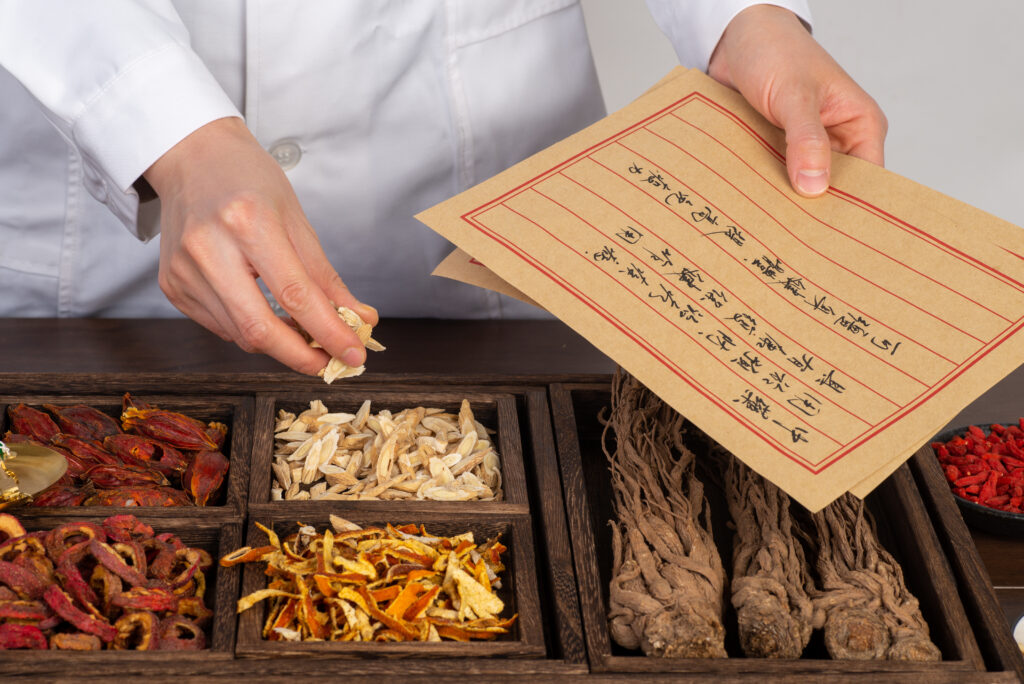
There is a close relationship between the five internal organs and the skin, and the functional status of the five internal organs can be understood by observing the performance of the skin.TCM emphasizes overall conditioning. By regulating the functions of the five internal organs, skin problems can be improved.Therefore, in the treatment of TCM, the relationship between the five internal organs and the skin is considered comprehensively, and specific skin problems are comprehensively adjusted to achieve the effect of overall health and beauty.
此文章还有以下语言版本:
 简体中文 (Chinese (Simplified))
  Melayu (Malay)
