
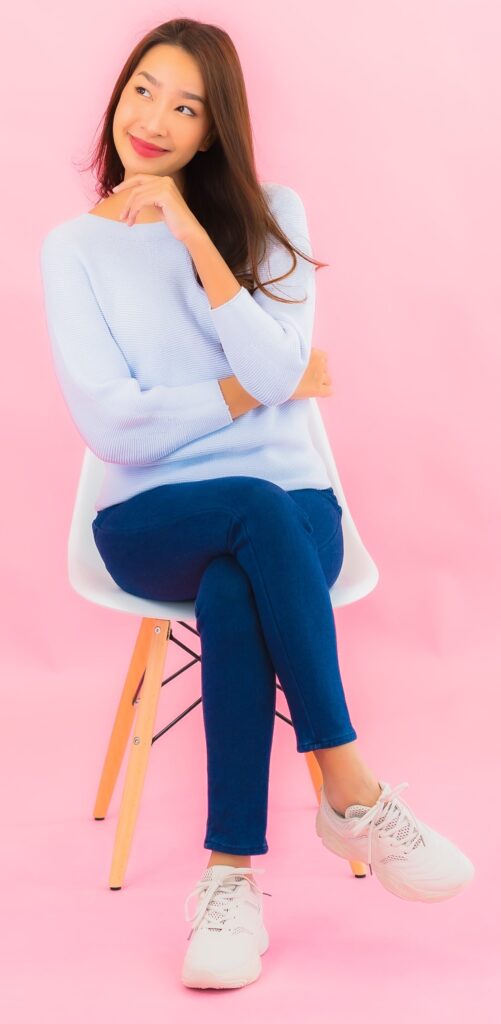
When I was a child, I always felt the posture of female celebrities crossing legs on television was very beautiful and elegant. And I thought to myself, I want to be like them when I grow up one day. However, when I started to do so, I kept hearing others say crossing legs are not good for you, it might make your legs look uglier and etc.
So, what are the actual effects of crossing legs on the body?
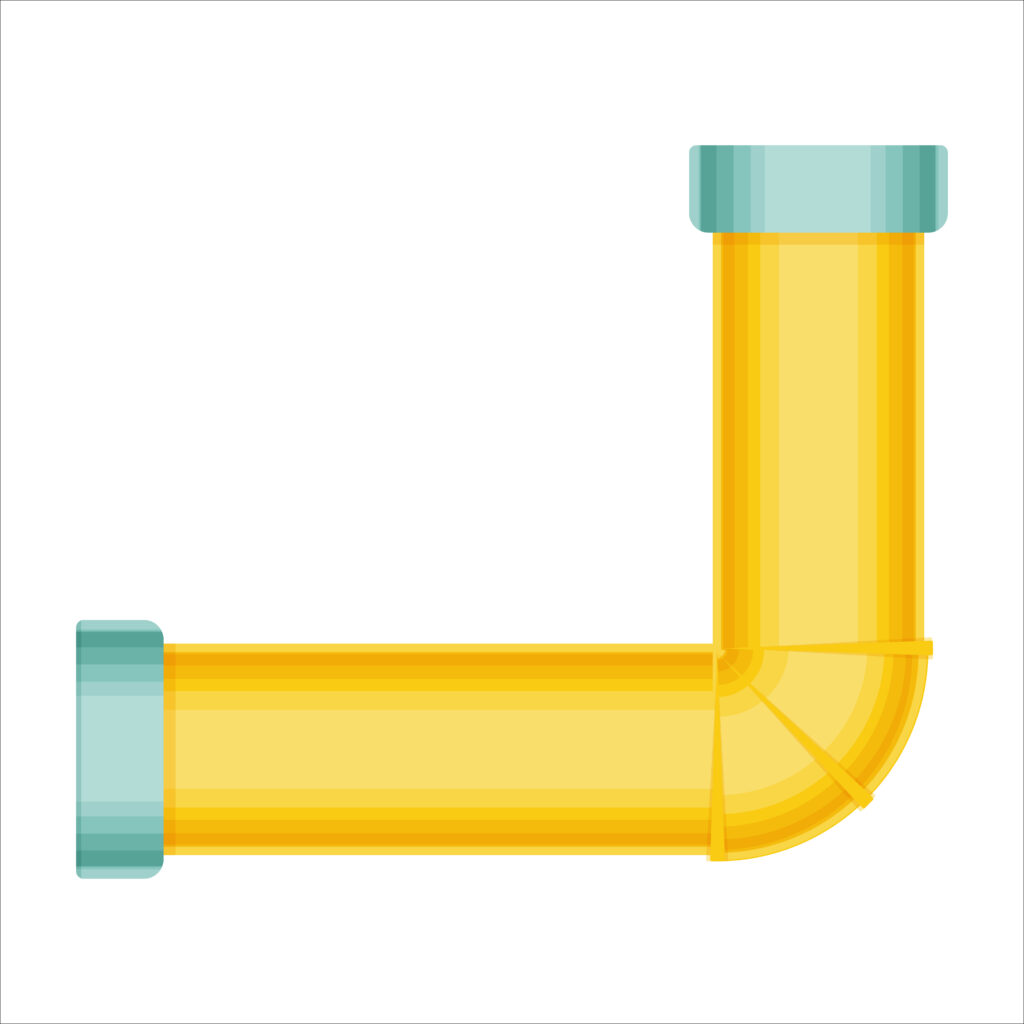
Imagine two pipes of the same thickness, one straight and the other bent at a 90-degree angle. If you pour water into both pipes simultaneously, which pipe do you think the water will reach the other end first?
Obviously, it’s the straight pipe, right? Now, consider two pipes of the same thickness and bent at a 90-degree angle again. One has no external pressure, and the other has external pressure causing a narrowing in one section of the pipe. If you pour water into them, which pipe will expel water from the other end first?
Undoubtedly, the pipe without external pressure will expel water faster, while the one with external pressure will have slowed water flow due to the constriction, leading to less smooth water expulsion.
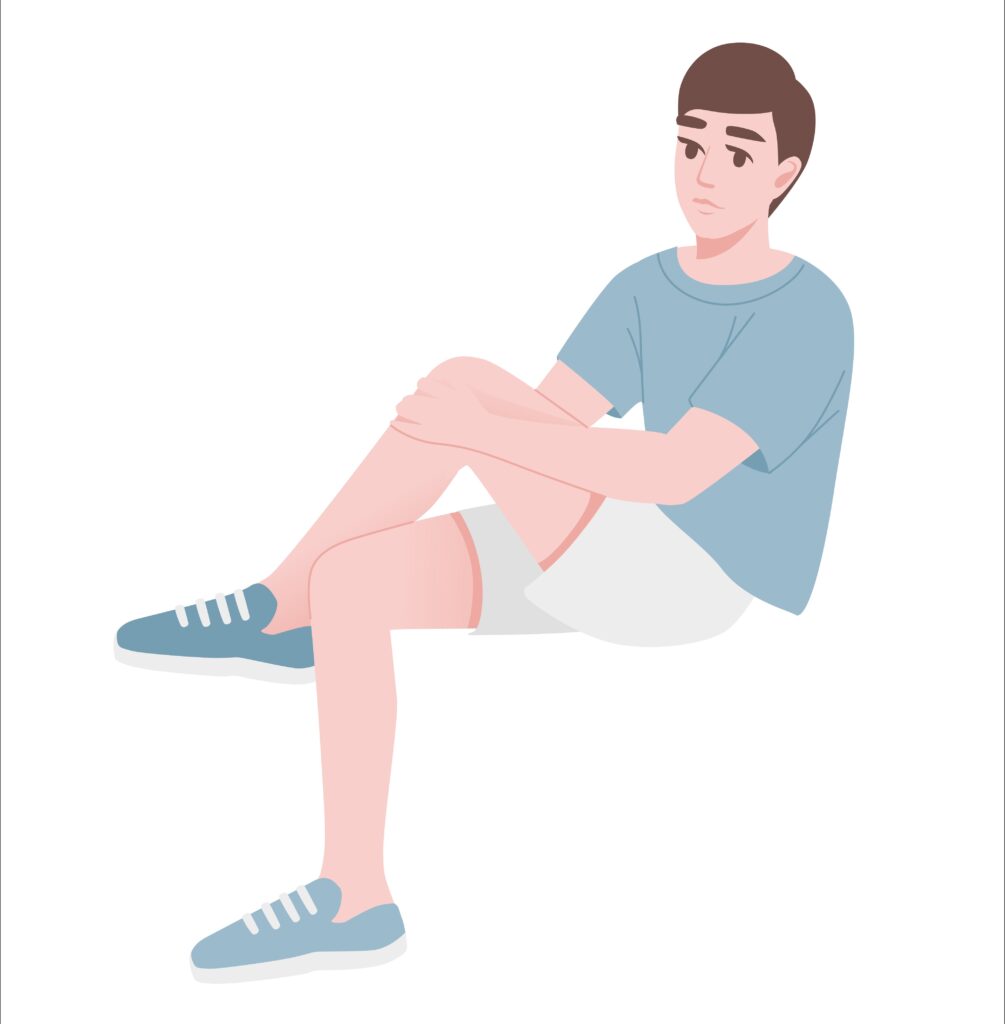
Therefore, our sitting posture can be like the simulating a pipe bent at a 90-degree angle, and crossing legs is like applying external pressure to our body, creating a constriction.
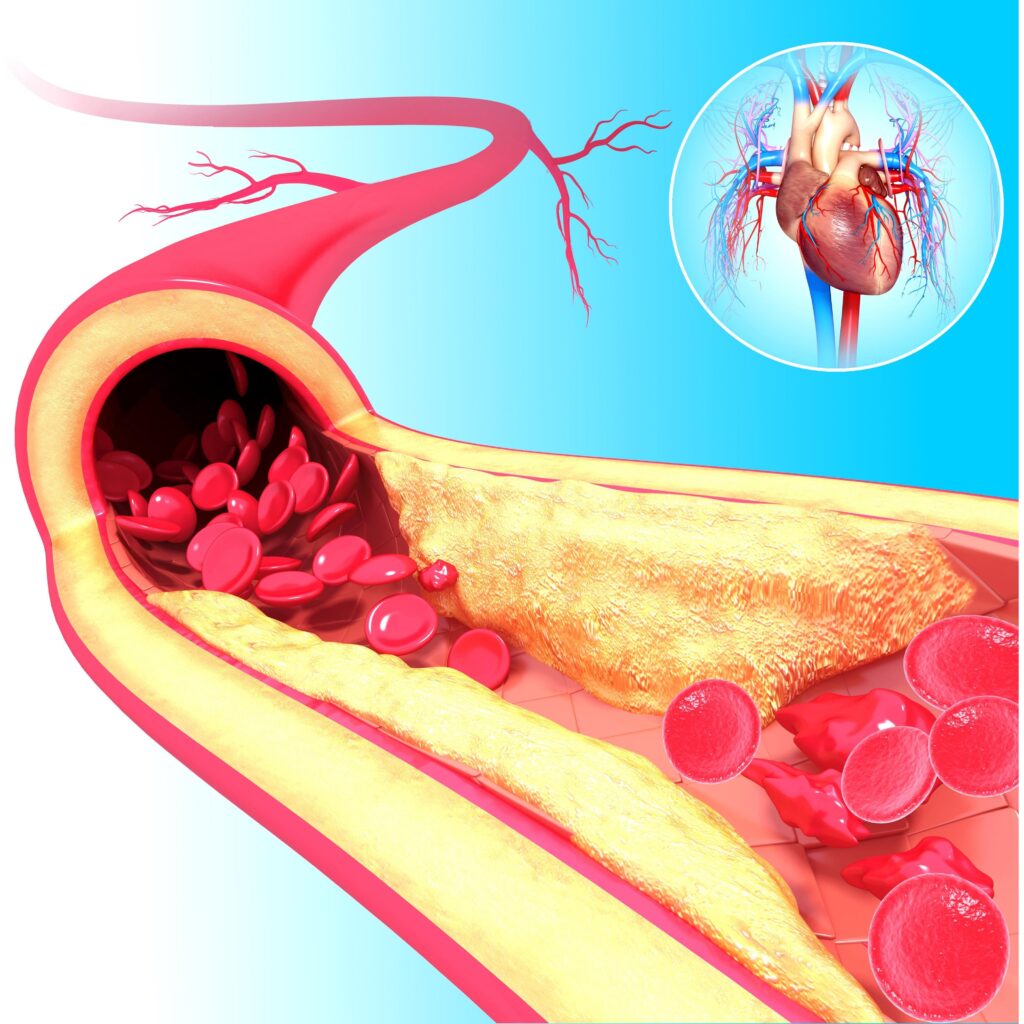
Consequently, when the blood flow slows down, to make sure the delivery of nutrients to the very end of our limbs smoothly, the body has to increase vascular pressure. As soft vessels expand under increased pressure, they become more visible on the surface, this is one of the factors that may cause the formation of varicose veins in the lower limbs.
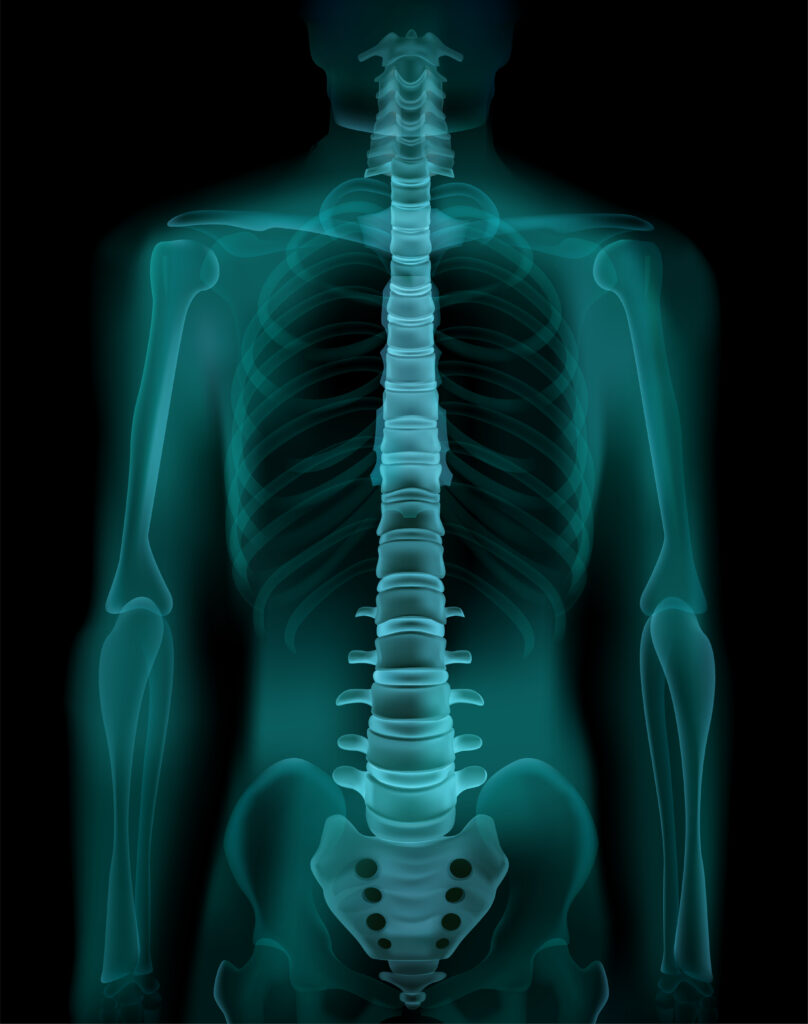
Sitting with crossed legs will put your body weight and centre on the one side. And keeping this tilted position for a long period will cause changes in our skeletal structure as your body tries to prevent you from losing balance and falling over.
As the muscles on one side continuously contract while the other side relaxes during leg crossing. Remaining in this posture for a long period leads to the muscle being stronger on the contract side, causing the weaker muscles being “pulled” away.
In the end might result in muscle imbalance, which is often seen in scoliosis, uneven shoulders and leg length imbalance and more.
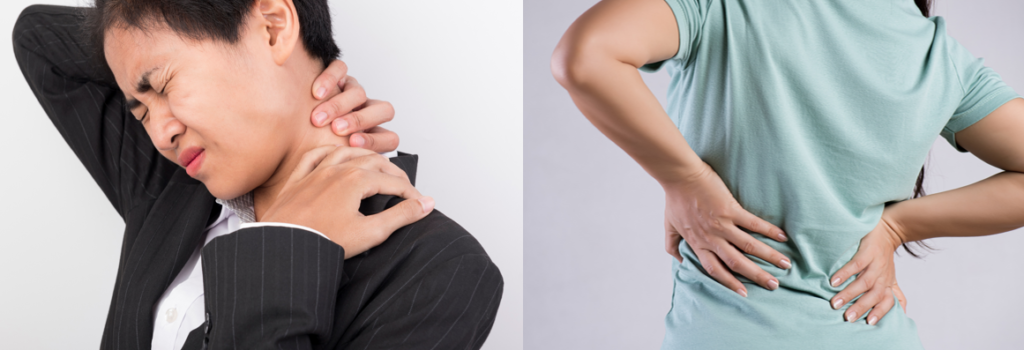
This prolonged muscle imbalance can lead to frequent lower back pain and stiffness in the neck and shoulders. This is because of the muscle continuously being contract or extended, during specific activities or slightly increased effort than usual can result in symptoms of strain. These issues are typically accumulative and not instantaneous. This is why a good sitting posture are very important in avoiding muscle strain.
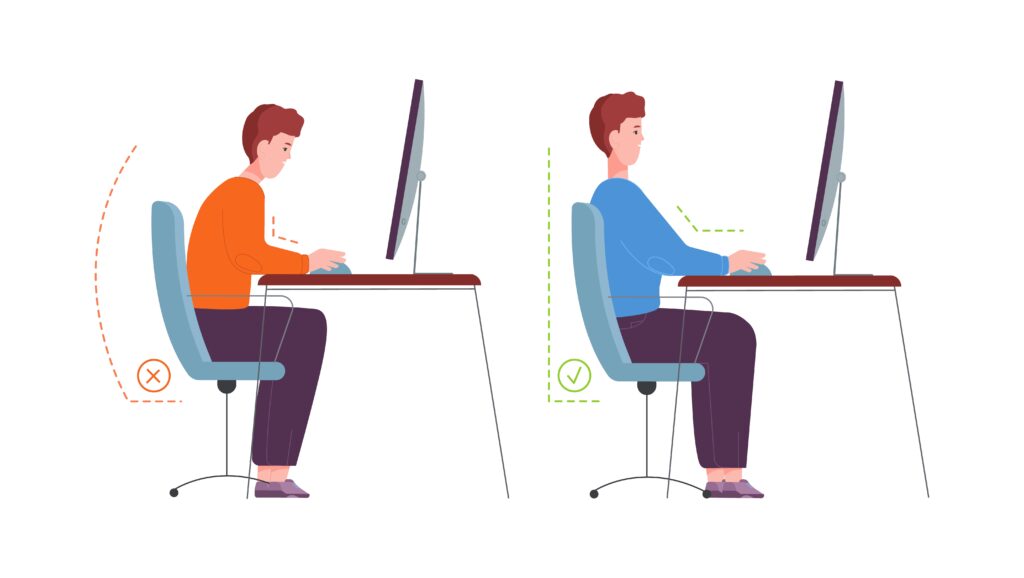
An ideal sitting posture involves knees and hip joints aligned, elbows at 90 degrees close to the body, and relaxed shoulders and neck.
If sitting for a long period, it’s essential to sit all the way back in the chair with lumbar support against the backrest, allowing the lumbar spine to relax.
An often-overlooked aspect is keeping both feet flat on the ground. If the chair height leaves your feet dangling, place a small stool in front to support your ankles.
If you find yourself feeling uncomfortable to keep in this position,
this may be because of weaknesses in the core muscles.
When we talk about core muscles, most will think of the 6 pack. It’s actually more than that, core muscles include abdominal, lower back muscles and muscles at pelvic floor.
Once our core muscles are firmer, it will support our spine to maintain good sitting posture longer.
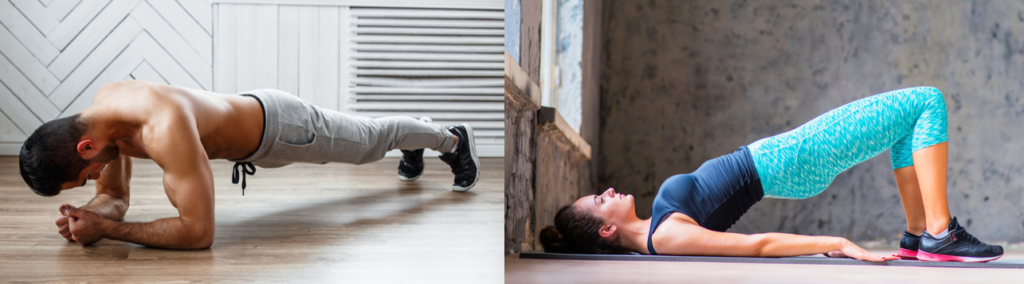
Training the core muscles through exercises like planking, bridge position, sit-ups, and locust pose can increase muscle strength. While these may seem like simple exercises, you have to make sure to contract the correct muscle or else it might worsen lower back pain.
On top of these exercises, belly breathing can be beneficial for strengthening the core muscles and improving oxygen intake, leading to enhanced blood circulation.
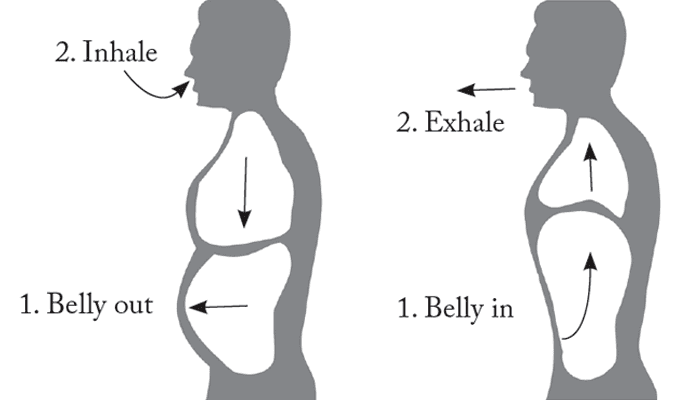
Does sitting in a textbook-perfect posture eliminate the lower back pain or poor blood circulation issue?
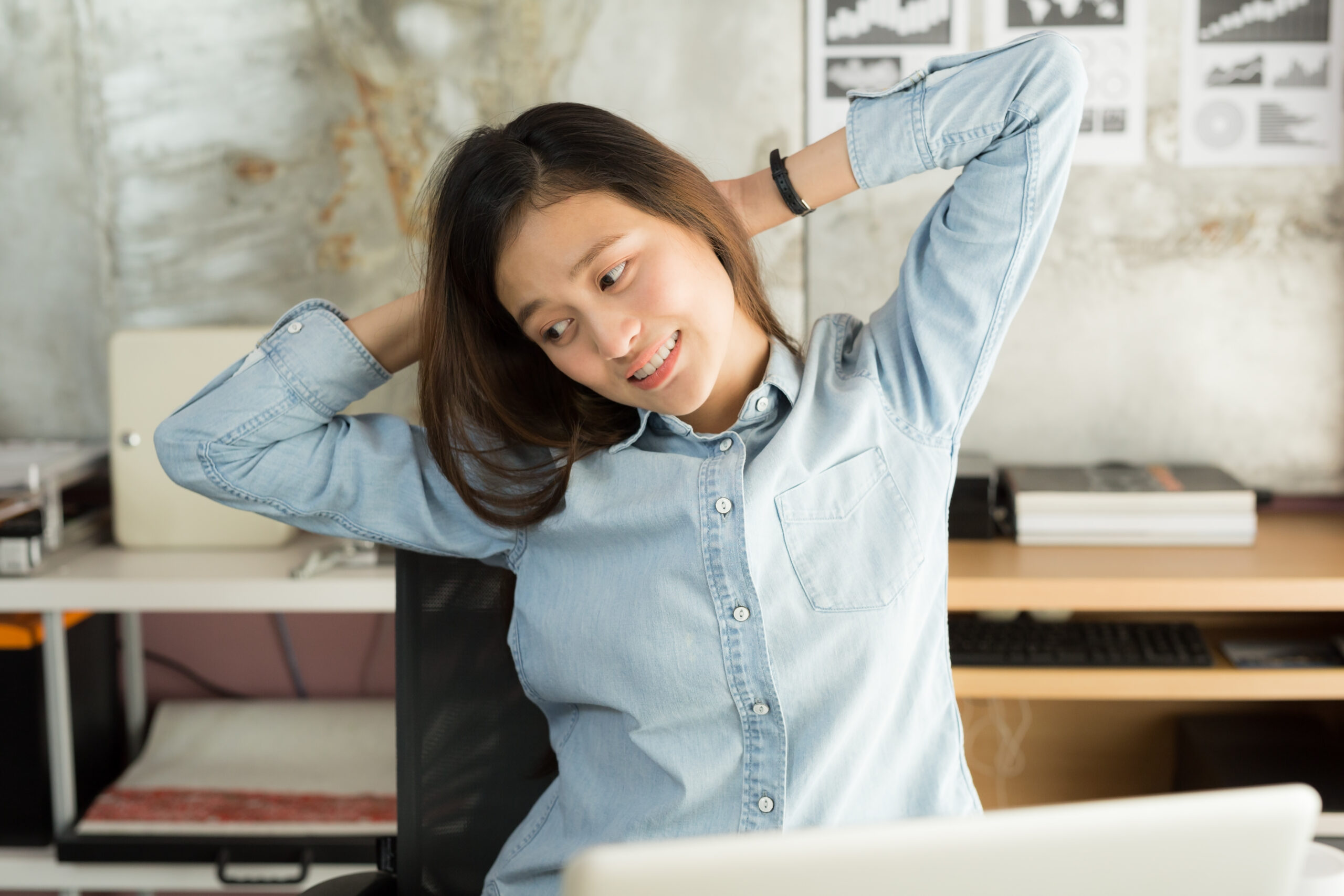
The answer is no. Even without crossing legs or any other tilted posture, maintaining a good posture for a long period can still lead to prolonged muscle contraction and may result in symptoms of muscle strain over time. While a good posture can reduce the strain and improve blood circulation caused by maintaining a sitting position for a long period. However, regular exercise and stretching remains the key to avoid body soreness and promote blood circulation.
此文章还有以下语言版本:
 简体中文 (Chinese (Simplified))
  Melayu (Malay)
