
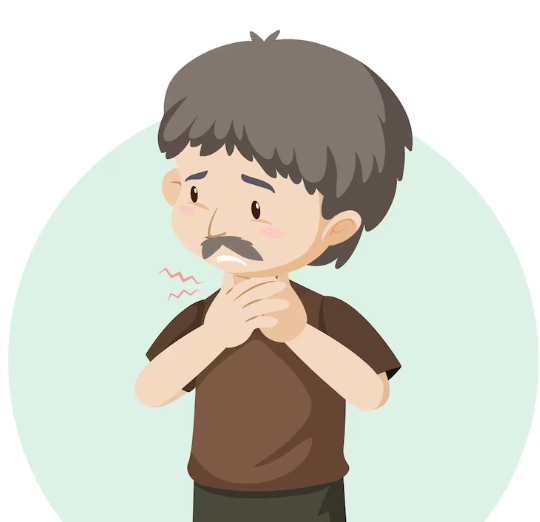
Patient: Male, 75 years old
Date: Initial Consultation – August 22, 2024
Chief Complaint: Vocal Cord Hoarseness for three months
Medical History:
Three months ago, the patient was diagnosed with vocal cord polyps at a hospital. Last year in November, he had coronary artery blockage and underwent cardiovascular surgery. He takes Western medications, including those for cardiovascular health and cholesterol.
The patient, a 75-year-old man, walked with an unsteady gait. Accompanied by his daughter, he slowly entered the consultation room and recounted his medical history.
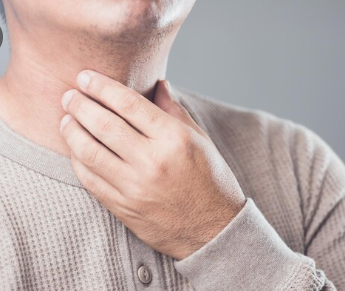
With a hoarse voice, the patient told:
“Doctor, I have vocal cord polyps.”
“Hmm, your voice is hoarse!”
“Yes, doctor. Is there any way to restore my voice?”
The patient was very concerned about whether his voice could return to normal and appeared somewhat anxious.
“How long has this been going on?”
“More than three months.”
“Oh! From the sound of your voice, it seems your throat is clogged with phlegm.”
“Yes, my phlegm is very sticky and hard to clear.”
“Do you have difficulty swallowing food?”
“No, it’s normal.”
Upon consultation, pulse diagnosis, and tongue diagnosis, it was found that the patient has a cold body constitution. Because he dislikes heat, he developed a habit of indulging in cold.
The patient was prescribed with strengthening herbal medicine to restore “Yang” energy. He was instructed to return for a follow-up in one week.

Second Consultation – August 30, 2024:
The patient reported that his voice occasionally returns to normal but is still mostly hoarse.
He was encouraged to continue with the herbal treatment.
The patient expressed concern that the vocal cord polyps might turn cancerous. After listening to his worries, he was comforted and guided to accept the presence of the polyps. Lifestyle habits to prevent the polyps from worsening were shared with him.
Third Consultation – September 13, 2024:
The patient’s voice had become noticeably louder. Although still occasionally hoarse with phlegm in the throat, he had started to open up emotionally and accept the condition. His anxiety had lessened, and a long-lost smile finally appeared on his face.
Fourth Consultation – September 28, 2024:
The patient’s voice had largely returned to normal during conversations. He still occasionally experiences hoarseness or phlegm in the throat. There was a clear improvement in his mood and outlook.
Case Analysis:
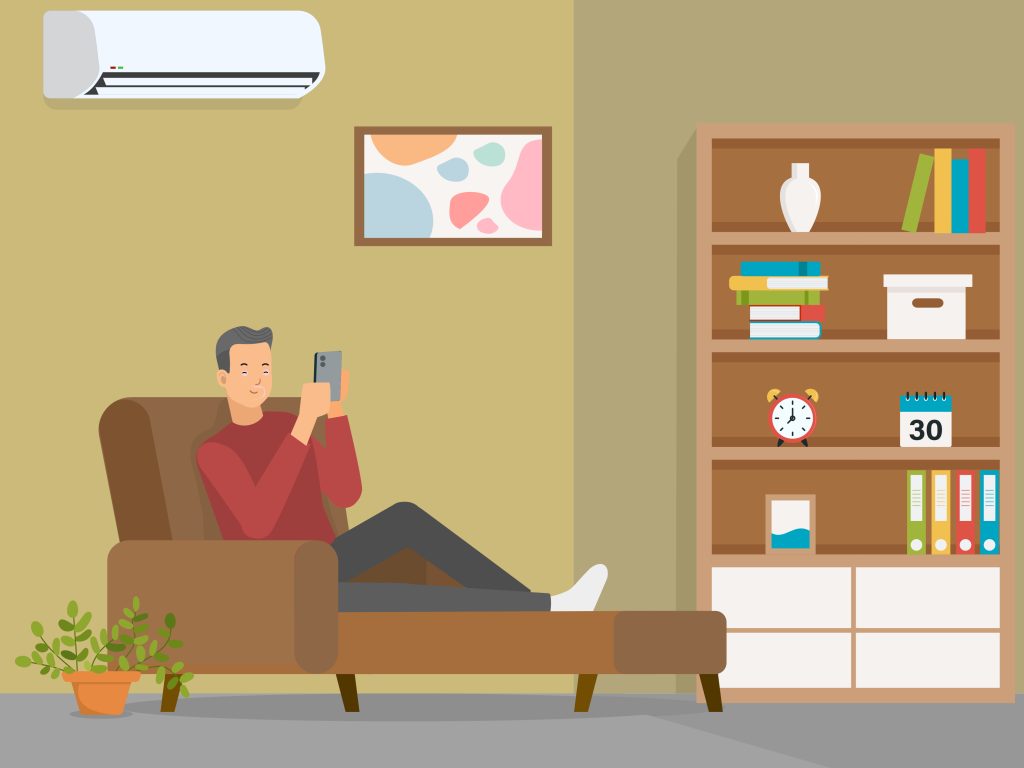
Although the patient does not fear cold and often feels warm, he has long indulged in cold habits. He sleeps with the air conditioner on for several hours and in additional uses a fan. He sweats profusely during housework and enjoys having the fan blow directly on him. He often feels overheated. In the past, he frequently had mouth ulcers.
His dietary habits included a preference for cold drinks, though this has decreased in recent years. He occasionally experiences abdominal bloating, does not burp, and farting occasionally. He has one bowel movement daily.
In summary, the patient originally had a robust constitution and was heat sensitive. However, due to long-term exposure to cold and habits like drinking cold beverages and sleeping in cold environments, his “Yang” energy gradually weakened, leading to kidney “Yang” deficiency and internal cold. Eventually, this resulted in the formation of vocal cord polyps.
Vocal cord polyps may prevent the vocal cords from closing properly, changing the voice’s quality, including voice pitch, volume, and tone. This resulting in hoarseness or roughness. The patient was also concerned that the polyps might become malignant. After listening to his concerns, we reassured him and helped him accept the condition as a part of his body. Preventative lifestyle habits to avoid further deterioration were also shared, such as avoiding cold exposure, not allowing cold air to hit the body after sweating, and avoiding cold foods and drinks.
Daily Wellness Recommendations:
1. Dietary Regulation:
The patient was advised to avoid cold drinks, fried, and spicy foods. All cold foods from the refrigerator such as salads, ice cream, and frozen fruits are to be avoided. These can impair digestive function. Fried and spicy foods may generate internal heat, disrupting the body’s “Yin-Yang” balance.

2. Emotional Regulation:
Encourage the patient to engage more with nature through outdoor activities and participate in calming activities like listening to soft music, reading, or mindfulness practices.
3. Mental Health:
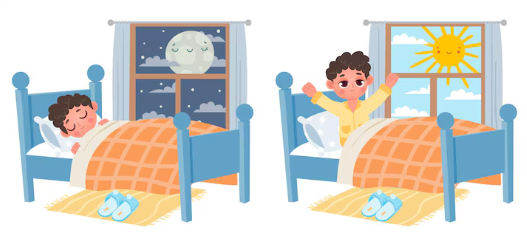
Maintain good sleep hygiene, go to bed early and wake up early.
4. Physical Activity:
Regular outdoor exercise and sun exposure help promote sweating and improve blood circulation, which may accelerate vocal recovery.
5. Social Engagement:
Encourage hobbies and interest-based activities to meet new friends and broaden perspectives.
此文章还有以下语言版本:
 简体中文 (Chinese (Simplified))
  Melayu (Malay)
