
Malaysia is a country with tropical rainforests, and the weather is hot all year round. Therefore sweating is a very natural phenomenon for the human body. However, some people sweat excessively even in air-conditioned room. Is that normal?
Everyone sweats, and sweat has the function of regulates body temperature, maintains heat production and heat dissipation balance. Sweating due to intense exercise, mental stress, hot weather, thick clothes, or eating hot and spicy food without other symptoms is considered normal, or someone who has been prone to sweating since childhood and has no other symptoms belongs to the hyperhidrosis constitution, which is also normal. Unaffected by external environmental factors, those who sweat more than normal on the head, face, neck, chest, and whole body are abnormal sweating, a normal person sweats about 300-600ml per day, it can even reach 1-3L for manual workers or when the weather is hot.
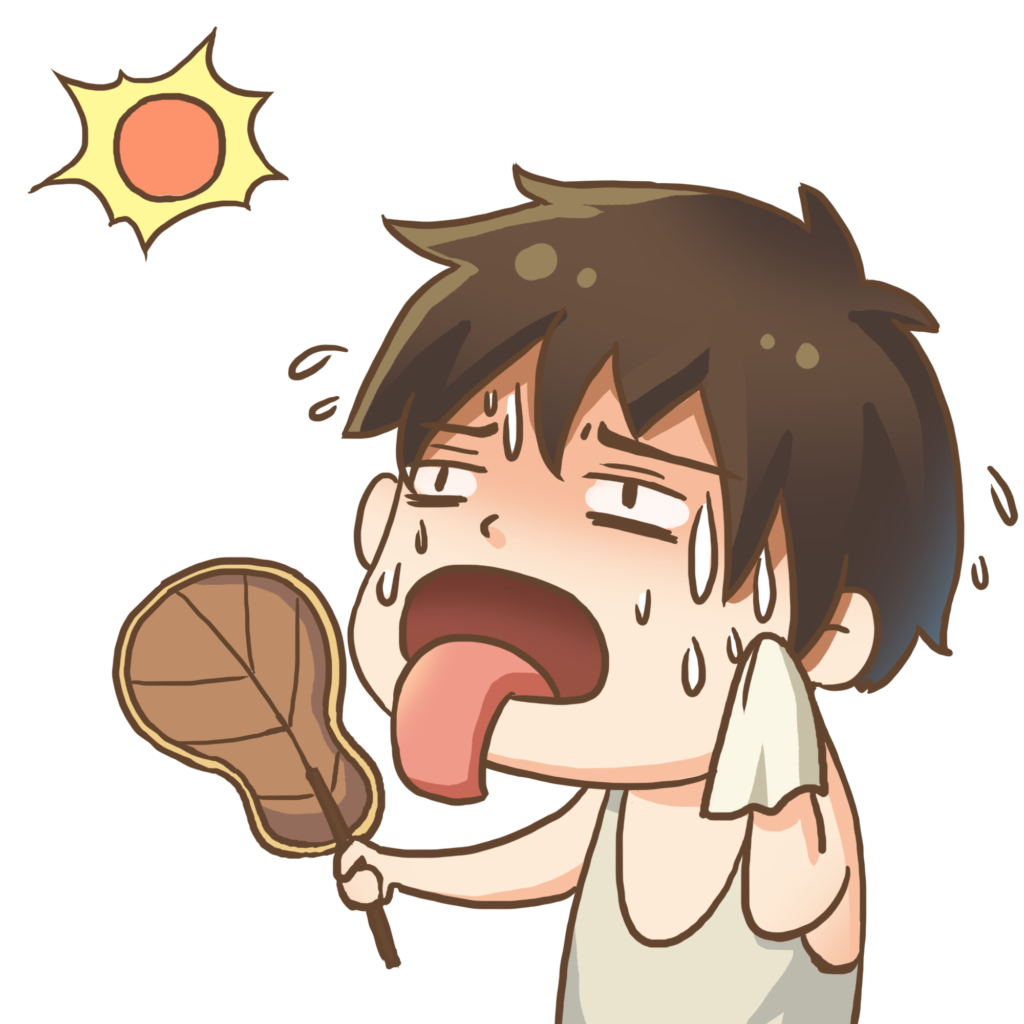
In Clinically practice, abnormal sweating is generally classified into five types:
1)Sweating without any activity or hot climate, with greater sweating after the exercise and accompanied by fatigue, pale complexion, dizziness, trance, and lack of breath and lazy talk is known as Spontaneous Sweating.
2)Sweating abnormally during sleep in a room that is not hot and with a thin blanket, and sweating stops after waking up, accompanied by restlessness and hotness, heat in hands and feet, dry mouth and throat, insomnia and dreamy is called Night Sweats.
3)Sweating all over the body during a cold with a high fever, accompanied by high fever, aversion to cold, thirst, and irritability is called Shiver Sweating.
4)Profuse sweating all over the body during a critical illness, sweating like oil, accompanied by low breathing sounds, cold limbs, mental fatigue, faint pulse is known as Collapse Sweats.
5)Sweating with yellow colour, and stains their clothes with yellow are accompanied by sticky and bitter mouth, thirsty and not wanting to drink, and difficulty in urinating, named Yellowish Sweating.
Spontaneous Sweating and Night Sweats are more common clinically practice.
In addition, there is sweating in some areas:
Head Sweats is sweating limited to the head, often caused by dampness and heat or stomach heat transpiration. However, children also often sweat on their heads during sleep, which is not a disease if there are no other symptoms.
Partial sweating, also known as “Half-Body Sweating “refers to sweating on the left or right side, upper or lower body, often seen in patients with rheumatism or hemiplegia, and may be a precursor to stroke in the elderly.
Cold Sweating or names shock sweating refers to fear of cold and sweating due to cold limbs often caused by Yang deficiency of the body and insufficient defense Qi, and it can also be caused by fright.
Sweaty Palms are more common in people who are prone to nervousness.
Modern Medicine believes that sweating is only a symptom, which can appear alone or be caused by various diseases, such as autonomic dysfunction, hyperthyroidism, rheumatic fever, tuberculosis, pain, hypoglycaemia, and certain infectious diseases.
Traditional Chinese Medicine believes that the cause of sweating is:
1)The patient’s body is weak or chronically ill, or due to chronic cough and asthma, resulting in insufficient lung Qi.
2)Long-term work pressure, excessive thinking and overwork, or various abnormal emotions lead to damage to the heart and spleen, internal generation of deficiency fire, stagnation of Qi.
3)Unhealthy eating habits, such as overeating, eating spicy and heavy flavors, or excessive dampness and heat in the body, evil heat and suffocation,
resulting in excessive sweating.

How to improve sweating symptoms?
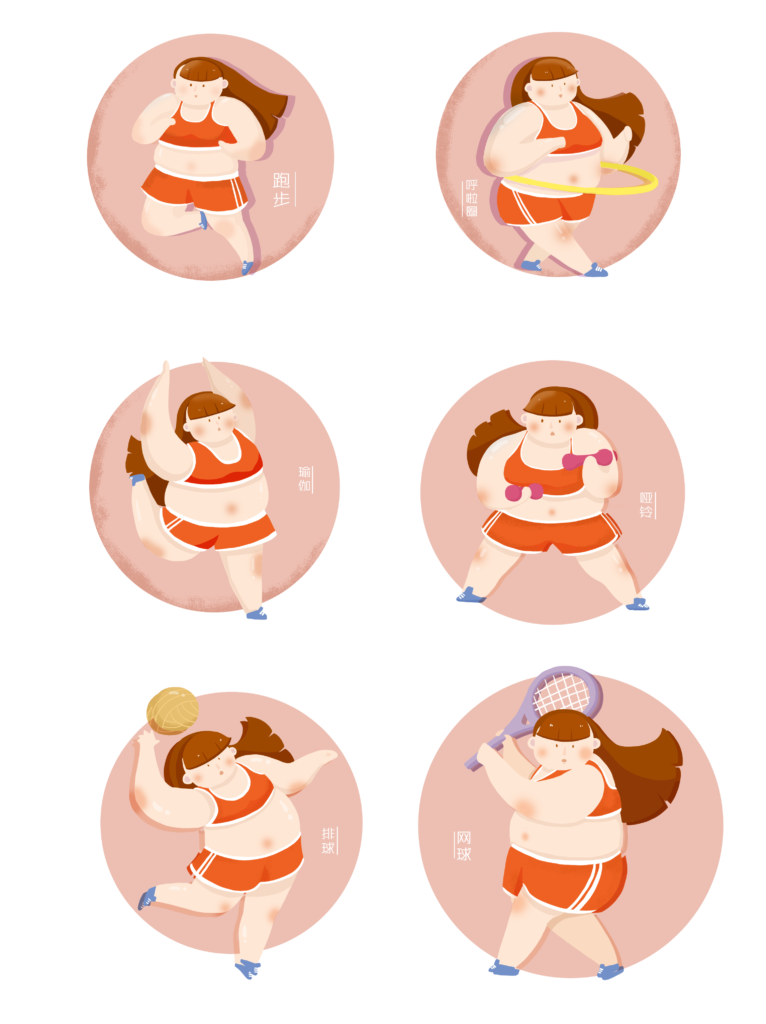
For people who are physically weak or have long-term illnesses, it is recommended to slowly increase physical activity, do more exercise, keep fit, increase the intensity slowly, persevere, and gradually strengthen the body. Work stress and life pressure are not easy to solve, but it is possible to find appropriate ways to relieve pressure, such as travel, sports, and family activities and try to avoid accumulating too much pressure and negative emotions. Finally, healthy lifestyle and dietary habits, regular daily routines, reducing staying up late, moderate diet without spicy or heavy taste, quitting smoking and reducing alcohol intake, living and working environment with suitable temperature, not too hot or too cold can improve sweating conditions.
Medicinal diet recommendation
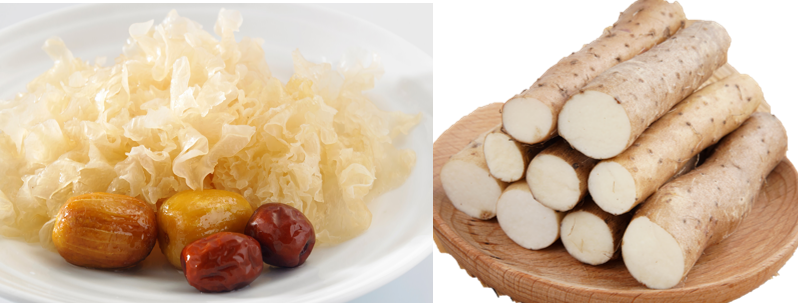
1)Snow fungus yam red date soup:
Ingredients – fresh yam 20g (peeled and diced), Snow fungus 100g, Red dates 20g
Snow fungus and red dates soak in water for 1 hour, add fresh yam, boil to a paste, add a little sugar and take it. Has the effect of nourishing Qi and strengthening essence. Suitable for spontaneous sweating.
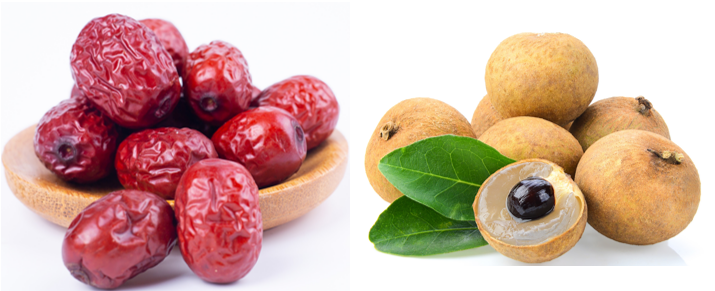
2)Jujube and Longan Soup:
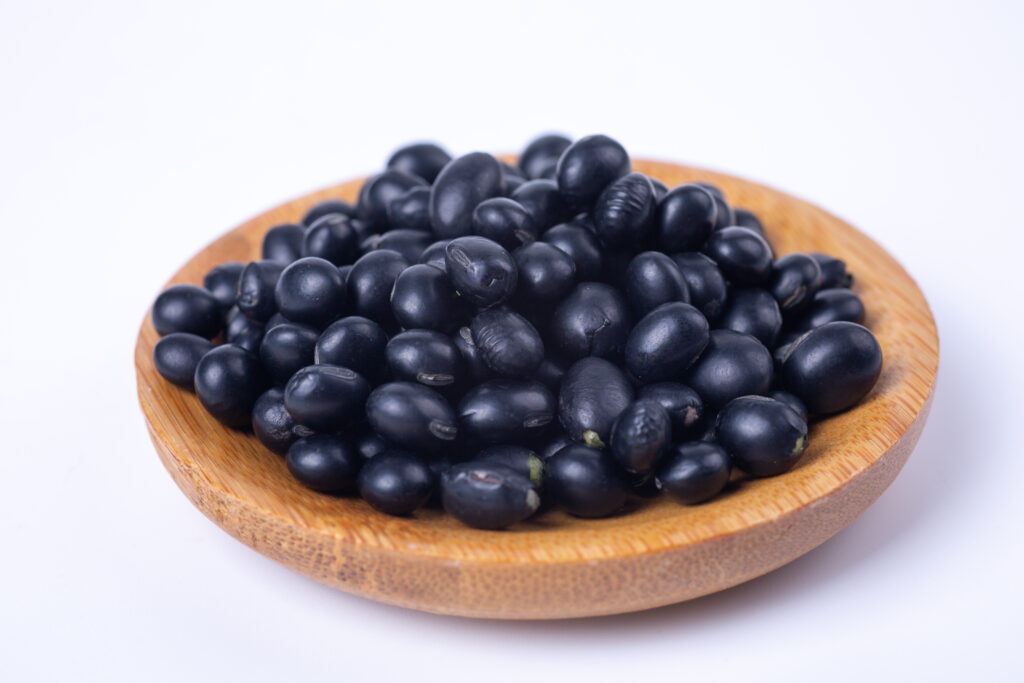
Ingredients – Jujube 50g, Longan 15g, Black beans 15g, add water 1500ml
Add water 1500ml, boil to 1000ml, take it twice in the morning and evening. Has the effect of nourishing Yin and tonifying kidney, Suitable for night sweats.
The above medicinal food recipes are only suitable for people with mild sweating symptoms. If the symptoms are severe, please consult a doctor. Do not blindly increase the dosage. If you experience any discomfort, stop taking it immediately or seek medical attention.
此文章还有以下语言版本:
 简体中文 (Chinese (Simplified))
  Melayu (Malay)
