
In today’s society, “Tennis Elbow” is gradually being recognized.
So what is “Tennis Elbow”?
As its name suggests, “Tennis Elbow” is susceptible to athletes who often play tennis, badminton, and table tennis.
The medical name of “Tennis Elbow” is humeral epicondylitis, which is a chronic injury disease. When the elbow is overstretched and prolonged,it will cause this muscle group to produce local aseptic chronic inflammation due to excessive stretching.Because this disease always occurs in tennis players, it is called “Tennis Elbow”.

What kind of people are most vulnerable to “tennis elbow”?
However, “Tennis Elbow” is not the patent of athletes,
because anyone who repeatedly moves the forearm can cause tennis elbow,
such as hairdresser, construction worker, office worker,
housewife (often need to wipe the ground, wash clothes by hand, wring clothes, etc.) ,
bakers (kneading dough) may also cause tennis elbow.
Common symptoms of “Tennis Elbow”:
1. Most “Tennis Elbow” disease is slow. Generally, the initial symptoms are just sore or slight pain on the outside of the elbow joint. When moving the elbow joint, the patient may feel sore and uncomfortable outside the elbow joint, and even the pain may be emitted upward or downward.
2. Do not hold or hold heavy objects with your hands. Actions such as handbags and towel twisting can aggravate pain.
3. Generally, there are localized tenderness points on the lateral epicondyle of the humerus, and sometimes the tenderness can spread downwards, and sometimes there is also mild tenderness and pain at the outside of the elbow.
4. There is no local swelling, and elbow extension is not affected, but pain can occur when the forearm rotates. Severe cases can cause pain when fingers are stretched, wrists stretched, or chopsticks are moved. A small number of patients experience increased pain on a rainy day.
How to avoid and treat “tennis elbow”?
1. Wear elbow pads: Elbow pads reduce injuries that can occur to tendons during elbow movement or exercise.
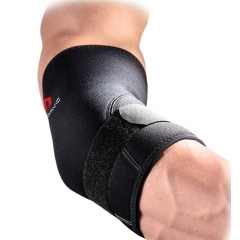
2. Rest: When the elbow moves or moves uncomfortably, you should stop and rest to avoid aggravating the injury and burden of the tendon.
3. Adjustment of living habits: Avoid repeated arm movements or elbow exertion.
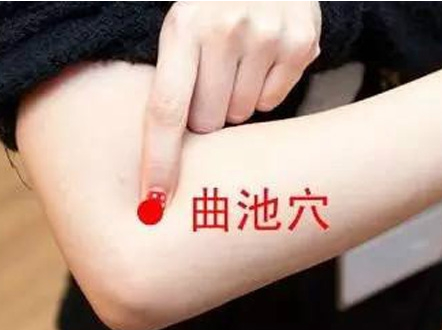
4. Appropriate massage: Qu Chi acupoint(at the lateral end of the elbow crease)
It can reduce the cumulative muscle pressure and reduce the possibility of excessive strain.
Learn more about TCM:https://vstcm.com/blogs/
Make Appointment:03-80111750
Visions TCM Website:https://vstcm.com/
Visions TCM FACEBOOK: https://www.facebook.com/visionstcmhc/
此文章还有以下语言版本:
 简体中文 (Chinese (Simplified))

