
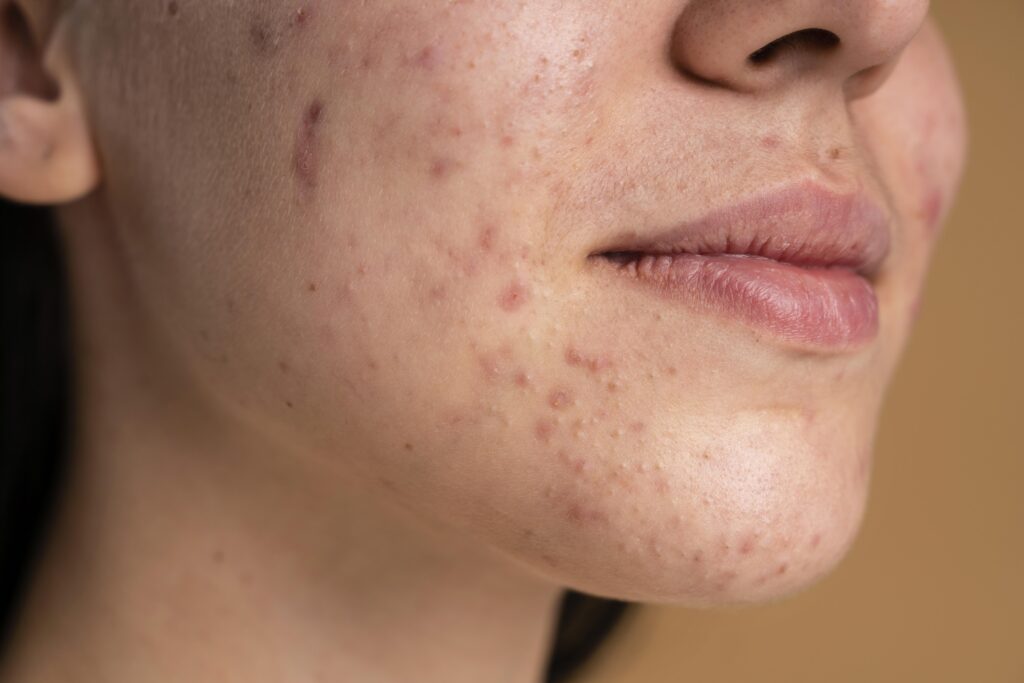
“Acne”
is generally more likely to occur during puberty and is commonly seen in adolescents. Due to the changes in hormone levels during puberty, the skin’s oil secretion increases, which can easily lead to the blockage of hair follicles and the formation of acne can even lead to skin infections or inflammatory reactions such as redness and swelling.
Although it is said that “acne” usually occurs in adolescents during puberty, in fact, the onset of acne is not restricted by age. Acne can occur at different stages due to various factors, such as inappropriate lifestyle and dietary habits, work stress and emotional impact of the sudden onset of acne.
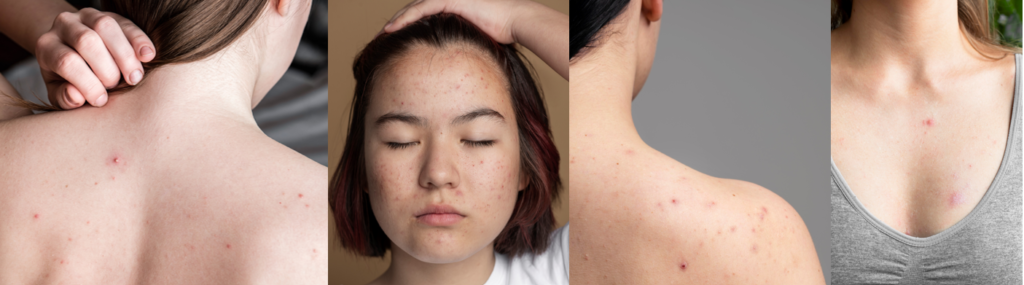 1. Common site of disease
Acne is a chronic infectious skin disease of the sebaceous glands of the hair follicles. It does not only occur on the face, but also on other parts of the body. Clinically, it is common in areas with more sebaceous glands such as the neck, chest, back and shoulder.
The aftercare of acne varies depending on the area of the body. In some areas, the rash may be more susceptible to external stimuli, making it more difficult to heal on its own, or it may even be made worse by frequent friction, sweating, or tight clothing. Tight clothing may aggravate rashes on the chest or back, while facial rashes are more likely to be affected by cosmetics or cleaning products, and rashes on the neck can be affected by frequent sweating and friction.
2. Common types of acne
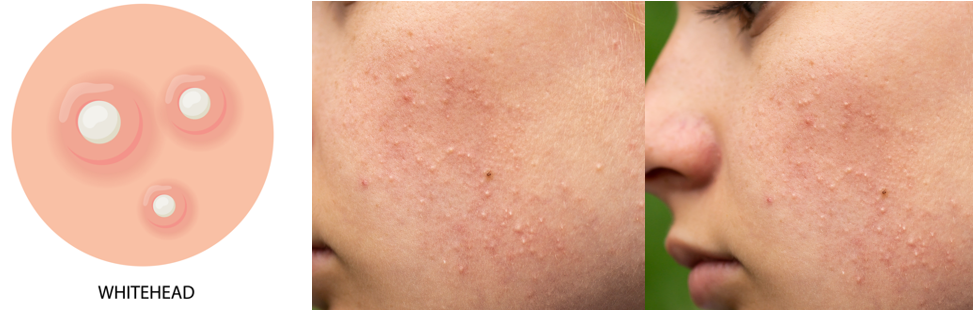
a. Whiteheads (closed)
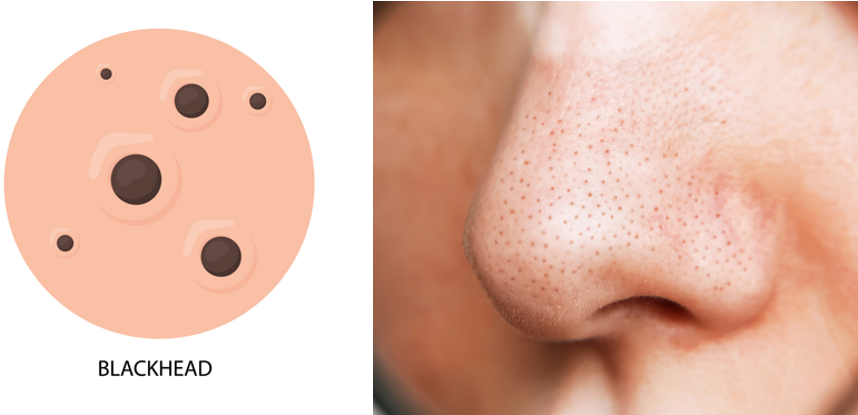
b. Blackheads (open)
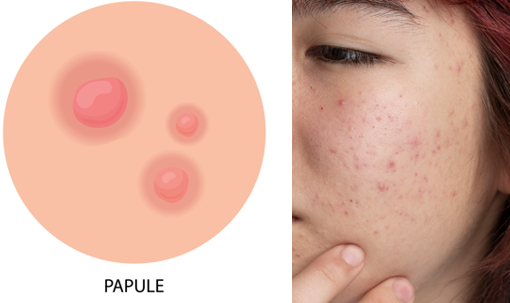
c. Papules
Inflammation of the skin tissue around the hair follicle, resulting in a red, slightly raised, painful pimple.
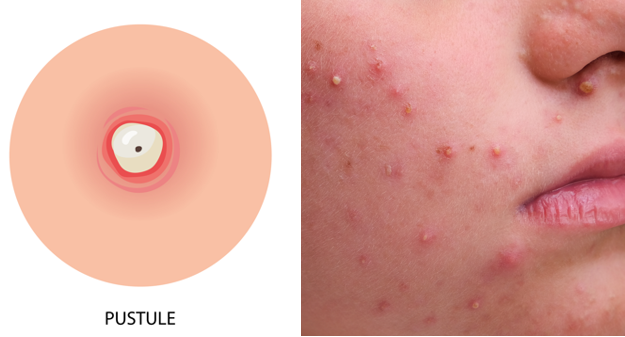
d. Pustules
Commonly seen in bacterial-infected acne, where the inside of the pimple is filled with pus and redness and pain are evident before pus develops.
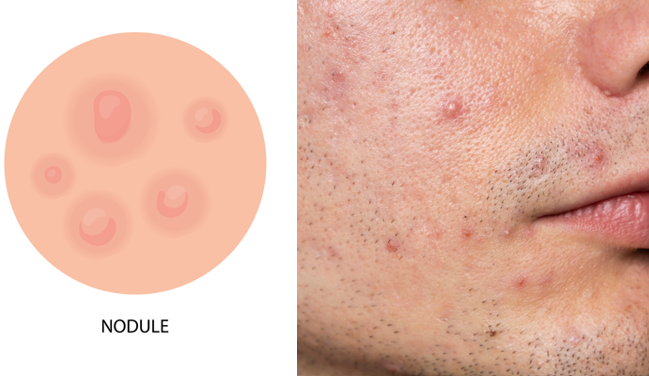
e. Nodules
More severe forms inflammation than papules, forming deep, large patches of acne that may be accompanied by pain and significant redness.
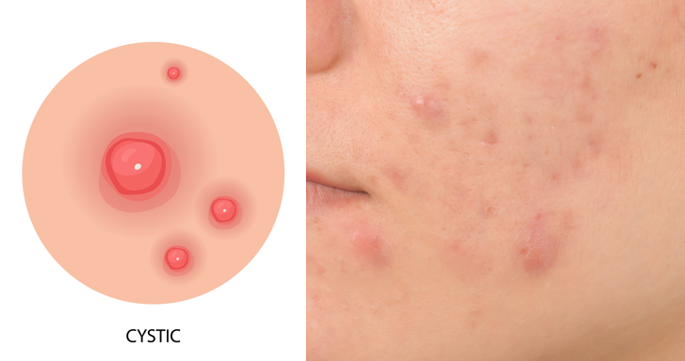
f. Cysts
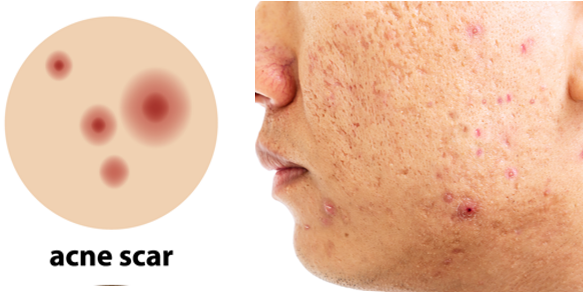
Deeper inflammation that forms large, cystic acne that is filled with pus and often scarring.
g. Keloid scars
Different forms of acne can appear alone, or multiple forms can appear together. The treatments used and the length of treatment time can also vary for different types of acne.
3. Common Causes of Acne
The occurrence of acne can usually be triggered by a variety of factors, which can be broadly categorized into internal and external factors:
3.1 Internal factors
Sebaceous gland overproduction
Overproduction of sebaceous glands is due to the changes in hormone levels during puberty. When the body produces too much androgen, it may lead to overactivity of the sebaceous glands and stimulate the follicles to increase the secretion of sebaceous glands, and the production of excess oil will easily lead to the clogging of hair follicles and the formation of acne.
Clogged cuticles
When the skin’s stratum corneum is too thick or excessively built up, the oil under the skin cannot be discharged, resulting in clogged hair follicles and the formation of acne.
Follicular hyperkeratinization
Follicular hyperkeratinization can prevent the sebaceous glands from expelling their secretions, resulting in clogged follicles and acne.
Bacterial infection
Bacteria often adhere to the surface of the skin. When the skin follicles are clogged, it provides a comfortable breeding environment for bacteria, which can multiply inside the follicles and cause skin inflammation or acne.
Damaged Skin Barrier
When the skin is over-cleaned or repeatedly exfoliated, the skin barrier may be damaged and the balance of moisture and oil in the skin may be disrupted, leading to skin irritation or acne. Since facial skin is delicate, avoid rubbing or over-cleansing.
Genetic factors
Acne has a genetic predisposition, individuals with a family history of acne are more likely to develop the condition, the likelihood of developing the condition increases if a parent or close relative has suffered from acne. Some of these genetic factors may also be related to family diet and lifestyle habits, which may lead to a collective likelihood of developing the disease.
Nervous system factors
There is not a direct causal relationship between acne and the nervous system. Rather, when the body is under intense stress and strong mood swings, it is possible that the nervous endocrine system may be triggered to promote the release of hormones in the body, which will cause the sebaceous glands to secrete more oil, resulting in the blockage of hair follicles, which indirectly causes the formation of acne. In addition, stress and emotions may also stimulate an immune system response, causing the skin to become more prone to inflammation.

Endocrine factors
Acne is closely related to the endocrine system. Changes in hormone levels during puberty, especially the increase in androgen levels, will stimulate the sebaceous glands to secrete more oil, which will lead to the blockage of hair follicles, making acne more likely to form. In addition, changes in hormone levels during other physiological states, such as menstruation, pregnancy, and menopause, may also lead to acne problems.
3.2 External factors
Dietary factors
Diet is not a direct cause of acne, but there are some foods that may trigger acne or aggravate the condition to make it worse.
- Spicy foods: Spicy foods may cause skin sensitization or irritation, resulting in an inflammatory skin reaction.
- High glycemic index foods: Excessive intake of foods such as rice, white bread and candies can lead to a rapid rise in blood glucose, which promotes an increase in insulin secretion and affects the activity of sebaceous glands and the formation of acne.
- Foods high in sugar: Excessive intake of sugar may lead to inflammatory reactions in the body forming acne.
- Foods high in fat: Fatty foods increase sebaceous gland secretion, aggravating follicle obstruction and leading to the development or worsening of acne.
- Dairy products: Hormones and growth factors in dairy products may affect the body’s metabolism of androgens, which in turn affects the activity of sebaceous glands to form acne.
- Alcohol and Tobacco: Alcohol and tobacco can affect the quality of sleep and the body’s metabolic process, which in turn affects the body’s hormone levels and immune system function, leading to the occurrence or aggravation of acne.
Lifestyle factors
Irregular living habits can easily lead to metabolic dysfunction, for example, staying up late for a long time, having irregular meals, overeating, lack of exercise, insufficient water intake, and irregular toileting may cause metabolic disorders and endocrine disorders. Lifestyle habits may affect the occurrence of acne, the severity of the condition, and the effectiveness of treatment. Improving lifestyle habits is also an important part of acne management.
Hygiene Factors
- Poor cleansing habits may lead to clogged skin pores and increase the occurrence of acne.
- Over-cleansing the skin with harsh cleansers can also trigger acne or make the condition worse.
- Using unsuitable make-up or not removing make-up thoroughly enough can also lead to clogged pores and acne.
Environmental factors
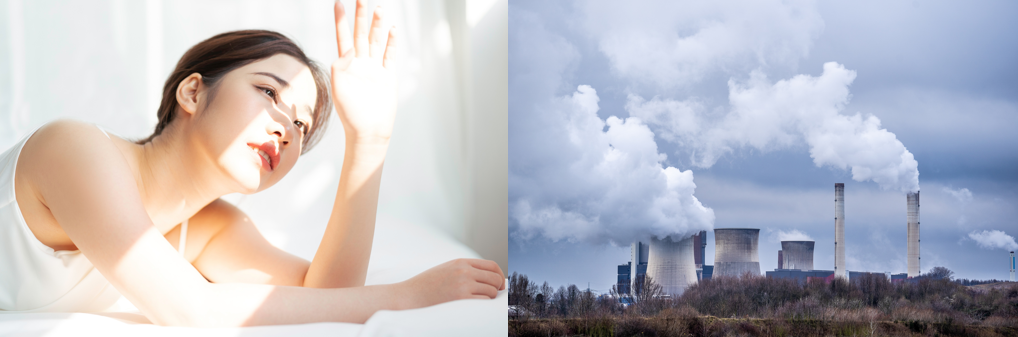
Although the environment does not play a major role in the development of acne, the influence of daily living conditions should not be ignored.
- Climatic conditions: Tropical humid climates may increase sebaceous gland secretion and promote acne. Dry climates, on the other hand, may lead to dry skin, causing thickening of the stratum corneum, which may also trigger acne.
- Air Pollution: Prolonged exposure to highly polluted environments may affect skin health, aggravate acne or trigger other skin problems.
- Chemical exposure: Exposure to certain chemicals or environments, such as oil fumes, toxic chemicals, or irritants, may cause skin irritation and aggravate acne.
- Ultraviolet light: Sun exposure may influence acne. Ultraviolet light may temporarily reduce the symptoms of acne, but it may also cause skin damage and other problems.
~After reading this issue. Who do you think is more likely to get acne?
To explain the causes and treatment tips of acne from the perspective of TCM in the next issue, stay tune and see you in the next instalment.
此文章还有以下语言版本:
 简体中文 (Chinese (Simplified))
  Melayu (Malay)
